
El Nido Wildlife Guide 2026: Animals, Birds and Marine Life You’ll See in Palawan
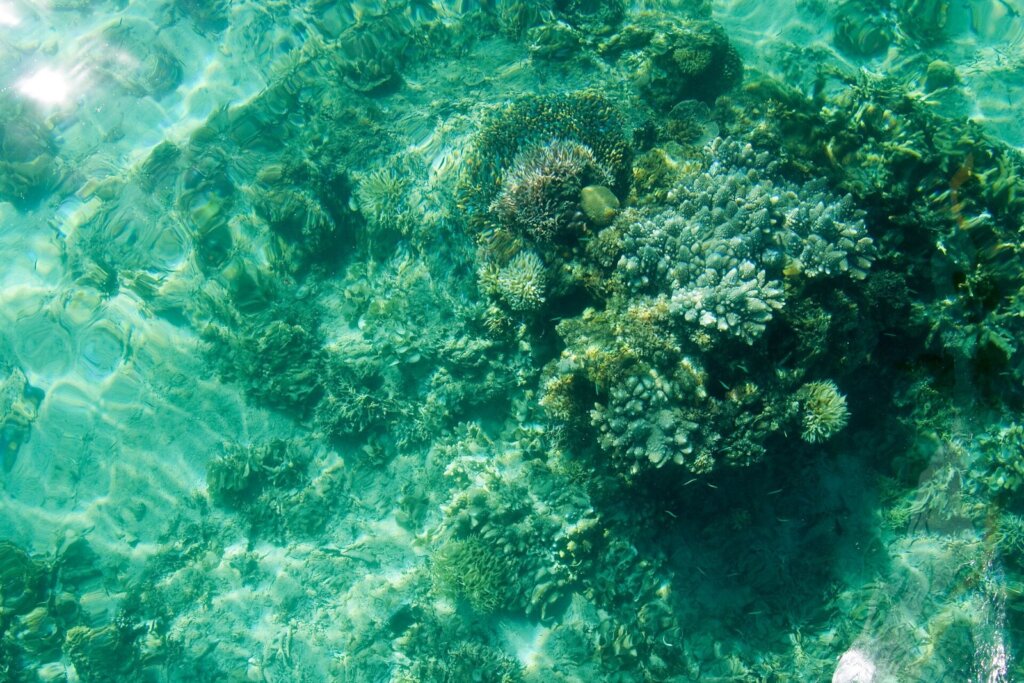
Palawan is one of the world’s great biodiversity hotspots — called “the last frontier” of the Philippines for good reason. El Nido sits within the Palawan Biosphere Reserve, a UNESCO-recognised ecosystem sheltering species found nowhere else on Earth. Whether you are snorkelling, island hopping, kayaking through mangroves, or simply looking up from a beach, wildlife encounters here are frequent and genuinely spectacular.
Marine Life
Sea Turtles — Near-Guaranteed
Both green turtles and hawksbill turtles inhabit the Bacuit Archipelago year-round. Encounter rates on island-hopping tours are extremely high — most snorkellers see at least one on Tour A or Tour C. Best spots: Snake Island reef (Tour C), Shimizu Island (Tour A), and Cadlao Lagoon wall (Tour D). See our turtle nesting season guide for peak encounter periods and responsible viewing practices.
Whale Sharks — Seasonal (November-March)
Whale sharks visit waters near Lio Beach from approximately November through March, peaking January-March. These gentle filter feeders can be snorkelled with responsibly. See our detailed whale shark guide for ethical encounter practices and current operator recommendations.
Manta Rays — Year-Round at Specific Sites
Reef manta rays visit cleaning stations on the southern Miniloc Island reef and feeding areas near Dilumacad Island year-round. Best encountered via scuba diving to the cleaning station at 8-15 metres depth. See our manta ray encounter guide for timing and site details.
Reef Sharks
Whitetip and blacktip reef sharks are common at outer reef areas — South Miniloc drop-off and Dilumacad Island wall. Harmless to snorkellers; they are shy and will retreat when approached. A sighting is a privilege, not a threat.
Key Reef Fish Species
- Clownfish: Abundant in every anemone — El Nido has exceptional density
- Parrotfish: Large, colourful, audibly crunching coral as they feed
- Napoleon wrasse: The massive hump-headed wrasse, up to 2 metres — seen at deeper sites
- Moray eels: Giant morays in reef crevices at Tres Marias and Matinloc
- Blue-spotted stingrays: Common in sandy patches between coral heads — beautiful and harmless if not stepped on
- Schools of jacks, fusiliers, barracuda: Spectacular swirling masses at current-swept points
Dugongs
Dugongs inhabit seagrass beds in the shallow waters of Palawan’s protected bays. Sightings near El Nido are rare but documented. Palawan’s dugong population is one of the Philippines’ last significant groups — Vulnerable on the IUCN Red List.
Birds
Collared Kingfisher — Most Commonly Seen
The brilliant blue-and-white collared kingfisher perches on mangrove branches at eye level, often less than 3 metres from kayakers. Found throughout the mangrove channels and coastal edges. Best viewed on a dawn mangrove kayak tour.
Brahminy Kite
The rust-and-white Brahminy kite is El Nido’s most visible bird of prey — swooping over the bay to snatch fish from the surface. Frequently seen from tour boats in the Bacuit Bay. It is the namesake of the mythical Philippine Sarimanok bird.
Philippine Sea Eagle
One of the world’s largest eagles and the Philippine national bird — Critically Endangered with fewer than 800 individuals remaining. Occasionally sighted in the forested limestone areas around El Nido. Any sighting is exceptional and memorable.
Swiftlets
The edible-nest swiftlets that gave El Nido its name (el nido = the nest) still nest in the limestone caves of the Bacuit Archipelago. Visible in great wheeling flocks at dawn and dusk over the bay — tiny, fast-flying, with distinctive forked tails.
Land Animals
- Monitor lizard (bayawak): Large monitors up to 2 metres — commonly seen swimming between mangrove roots, basking on limestone, and foraging on island beaches. Not dangerous unless cornered.
- Palawan bearcat (binturong): Shaggy, prehensile-tailed, nocturnal forest dweller — sightings require a night trek with a local guide into old-growth forest areas.
- Mouse deer (pilandok): The world’s smallest hoofed animal — endemic to Palawan, inhabiting interior forests. Very rarely encountered without a dedicated wildlife guide.
Responsible Wildlife Viewing
- No feeding: Disrupts natural behaviour and creates dangerous habituation
- 3-metre minimum distance from all marine megafauna (turtles, whale sharks, mantas)
- No flash photography on turtles or nocturnal land animals
- Reef-safe sunscreen: Chemical sunscreens harm coral — see our sustainable travel guide
For snorkelling guidance to maximise marine wildlife encounters, see our snorkelling guide. For scuba encounters with sharks and mantas, the diving guide covers the best sites.
Sources: IUCN Red List species conservation status; Haribon Foundation Philippines Palawan bird checklist; Coral Triangle Initiative marine biodiversity data 2026.