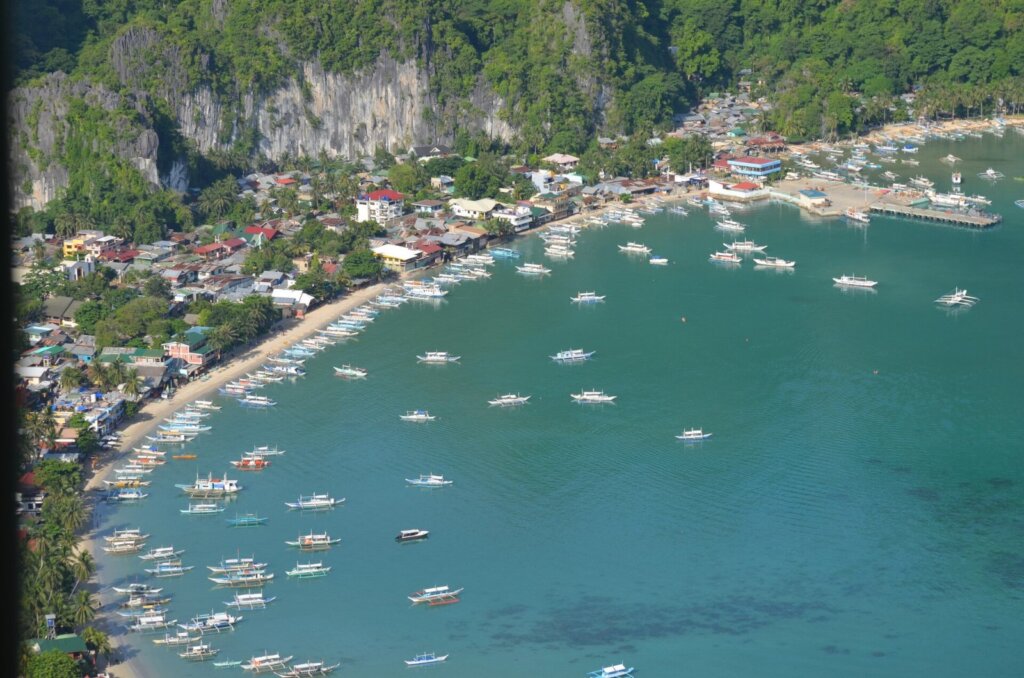
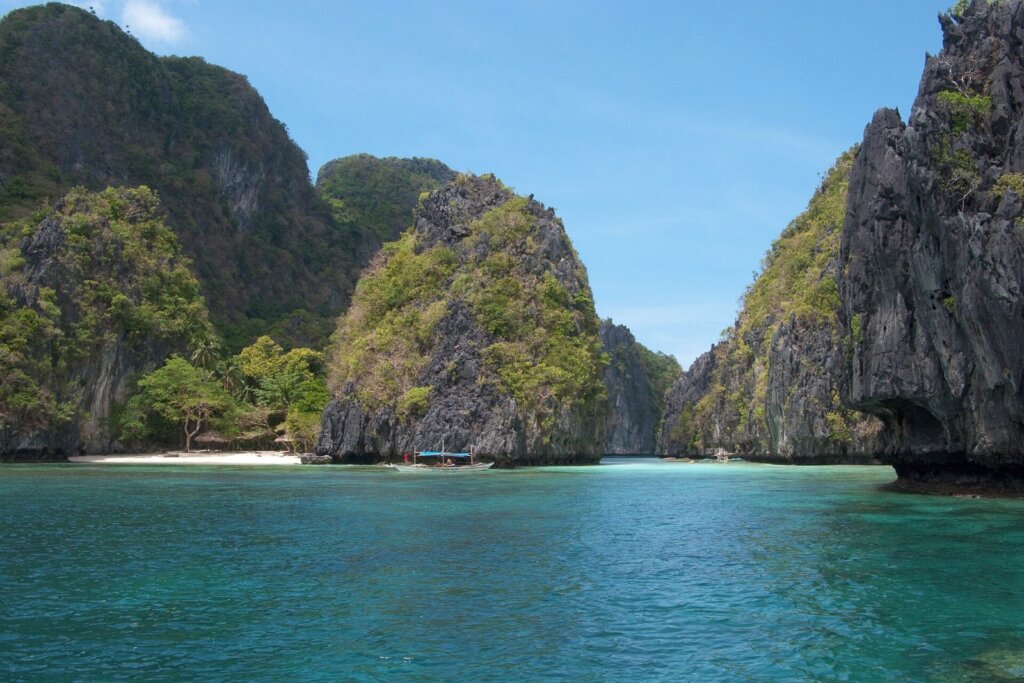
Choosing when to visit El Nido shapes almost everything about your trip: how clear the water is on island-hopping tours, whether boats run at all, how much you pay for a room, and how many other travellers share the lagoons with you. El Nido has a dry season and a wet season, but the shoulder months in between are where many savvy visitors find the best balance. This month-by-month guide breaks down weather, sea conditions, crowds and prices so you can pick the dates that fit your priorities.
- El Nido’s Two Seasons at a Glance
- Month-by-Month Breakdown
- Best Time for Island Hopping and Water Clarity
- Best Time for Budget Travellers
- When to Avoid El Nido (and How to Cope)
- What to Pack for Each Season
- Frequently Asked Questions
- Temperature, Rainfall and Daylight Through the Year
- Planning Around Holidays and Festivals
- Quick Recommendation by Traveller Type
El Nido’s Two Seasons at a Glance
Palawan sits in the tropics, so temperatures stay warm all year (roughly 26–32°C). What changes is rainfall and wind, which together decide whether the sea is glassy or choppy.
| Season | Months | Weather | Sea & Tours | Crowds & Prices |
|---|---|---|---|---|
| Peak dry | Dec–Feb | Sunny, breezy, cooler | Reliable, occasional wind chop | Busiest, highest prices |
| Late dry | Mar–May | Hot, very dry | Calmest water, best clarity | Busy, high prices |
| Early wet | Jun–Aug | Warm, short showers | Mostly fine, greener scenery | Quieter, good value |
| Peak wet | Sep–Oct | Wettest, humid | Boats may be cancelled | Quietest, lowest prices |
Month-by-Month Breakdown
December to February
This is the classic window and the most popular time to visit. Skies are mostly clear, humidity is lower, and the amihan (northeast wind) keeps things pleasant. The trade-off is crowds and the year’s highest room rates — book accommodation and tours weeks ahead, especially over Christmas, New Year and Chinese New Year. Occasional windy afternoons can make the open sea a little bumpy, but tours almost always run.
March to May
The tail of the dry season brings the calmest seas and the best underwater visibility of the year, which makes it ideal for snorkelling and photography. It is hot, so plan water-based activities for the morning and rest during the midday heat. Prices stay high through the Easter (Holy Week) holiday, when domestic tourism peaks, then ease slightly into May.
June to August
The wet season begins, but early on the rain often comes in short afternoon bursts rather than all-day downpours. The landscape turns lush and green, waterfalls run fuller, and both crowds and prices drop noticeably. Most island-hopping tours still operate; just build in a buffer day in case one gets moved. This is a strong choice for value-focused travellers.
September to November
September and October are the wettest and least predictable months, with a real chance of boats being cancelled for a day or two at a time. If you visit now, keep your itinerary flexible and have indoor or town-based backups ready. By November the weather begins to settle again, making late November a quiet sweet spot before the December rush.
Best Time for Island Hopping and Water Clarity
If the lagoons and snorkelling are the whole point of your trip, target March to May for the clearest, calmest water. December to February is also excellent and slightly cooler. For a primer on which tours to prioritise, see our island hopping tours comparison, and our guide to Big Lagoon vs Small Lagoon to plan the headline stops.
Best Time for Budget Travellers
The early wet season (June to August) and late November offer the best mix of decent weather and low prices. Rooms, tours and transfers can cost noticeably less than in peak season, and the lagoons are far less crowded. If you are watching costs, pair these dates with our guide on where to stay in El Nido to find the best-value base.
When to Avoid El Nido (and How to Cope)
There is no month that is truly off-limits, but September and October carry the highest risk of disrupted tours. Typhoons rarely make a direct hit on southern Palawan, yet distant storms can churn the sea for days. If those are your only possible dates, read our El Nido rainy season guide, book refundable rooms, and keep a spare day before any onward flight. Also plan your arrival carefully — our getting to El Nido from Manila guide covers flight and van options that are more reliable in bad weather.
What to Pack for Each Season
Year-round you will want reef-safe sunscreen, a hat, sandals and quick-dry clothing. In the dry season add a light layer for breezy boat rides and cooler evenings. In the wet season pack a compact rain jacket, a dry bag for electronics, and shoes with grip for slippery paths. Whatever the month, bring more cash than you expect, as card acceptance and ATMs are limited.
Frequently Asked Questions
What is the overall best month to visit El Nido?
March and April are often considered the best, with calm seas, clear water and reliable sunshine. December to February is a close second and slightly cooler, though busier.
Is it worth visiting El Nido in the rainy season?
Yes, especially in June, July and early August, when rain is often brief, scenery is green, crowds are thin and prices are lower. Keep your plans flexible in case a tour is postponed.
Which months are the most crowded and expensive?
Late December to early January, Chinese New Year, and Holy Week (around late March or April) are the busiest and priciest. Book well ahead for these dates.
Can island-hopping tours be cancelled by weather?
Yes. In the peak wet months of September and October, rough seas can cancel boats for a day or more, so build a buffer day into your itinerary.
Temperature, Rainfall and Daylight Through the Year
El Nido stays warm and humid every month, but the feel of a day shifts with the seasons. From December to February, breezes and lower humidity make the heat comfortable and evenings can feel pleasantly cool by the water. March to May is the hottest stretch, with strong midday sun that rewards early starts and long lunch breaks in the shade. During the wet months the temperature barely drops, but cloud cover and rain bring welcome relief from the glare. Daylight hours are fairly consistent near the equator, with sunrise around 5:30–6:00am and sunset around 5:30–6:15pm year-round, so you always have a full day for the water regardless of when you come.
Planning Around Holidays and Festivals
Beyond the weather, local and regional holidays have a big effect on crowds and prices. The Christmas-to-New-Year window and Holy Week (the days around Easter) are when Filipino families travel, so El Nido fills up and rates climb even though the weather is good. Chinese New Year brings a wave of international visitors too. If you want the lagoons closer to yourself, plan for the weeks just before or after these peaks. Whenever you travel, book your first night’s accommodation and at least one island-hopping tour in advance, then keep the rest of your plans loose so you can react to the daily sea and weather forecast. This flexibility matters most in the wet season, when a single rough morning can reshuffle your whole tour schedule.
Quick Recommendation by Traveller Type
For first-timers who want everything to go smoothly, come in March or April. For couples and photographers chasing glassy water, late dry season is unbeatable. For budget backpackers and anyone who prefers quiet lagoons, June, July or late November deliver great value with acceptable weather. Only die-hard deal-seekers should target September and October, and only with flexible, refundable bookings.