
Two of El Nido’s most talked-about stops sound almost identical but sit on completely different tours: Hidden Beach is a highlight of Tour C, while Secret Lagoon belongs to Tour A. Both live up to their names, requiring a little effort to reach and rewarding you with scenery you cannot see from the boat. This guide explains exactly what to expect at each — how you get in, what the water and crowds are like, when to go, and how to combine them — so there are no surprises on the day.
Hidden Beach: What to Expect
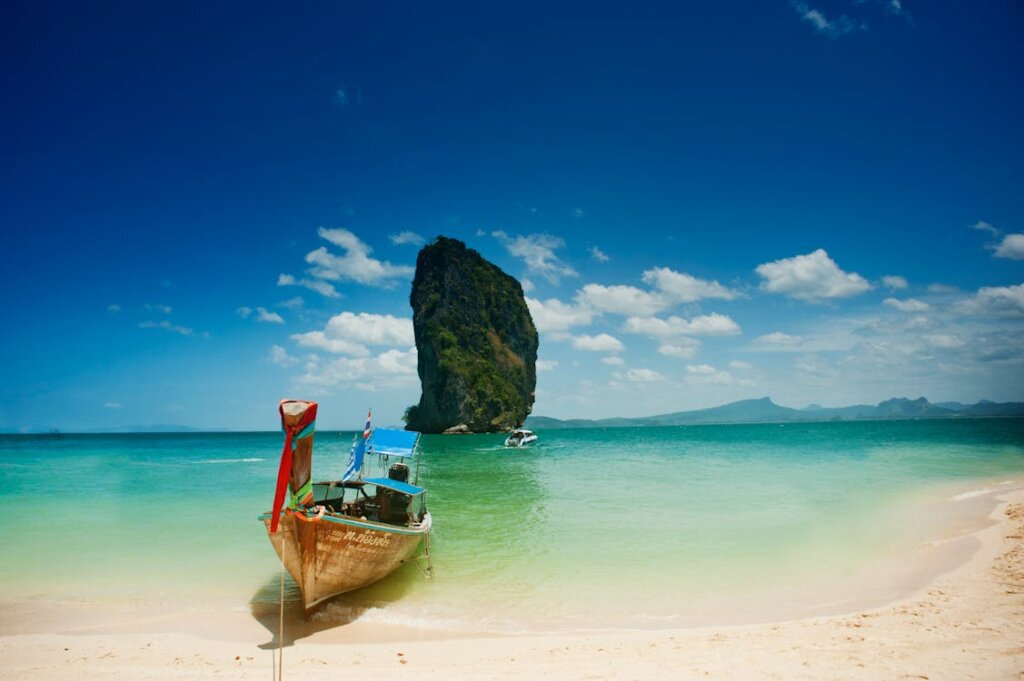
Hidden Beach is exactly that: a sandy cove screened from the open sea by a wall of limestone, so you cannot see it until you are almost inside. Boats anchor a short distance out, and you either swim or wade around a rocky outcrop to reach the beach itself. The moment you round the rock and the cove opens up is one of the trip’s genuine wow moments.
How you get in
Depending on the tide, you will wade through shallow water or do a short swim around the cliff. At low tide it is an easy walk; at high tide the water can reach chest height, so keep valuables in a dry bag and wear water shoes to protect your feet on the rocks. Guides help less-confident swimmers across.
The beach and water
Inside, you will find soft sand, calm turquoise water and cliffs rising on almost every side. It is a superb spot for a relaxed swim and photos. Snorkelling near the entrance can be good, with small fish around the rocks. Because access is a little involved, Hidden Beach usually feels less frantic than the marquee lagoons.
Who enjoys it most
Travellers who like a touch of adventure and confident swimmers get the most from Hidden Beach. It is part of Tour C, so you will pair it with dramatic stops like Secret Beach and Matinloc Shrine. For the full route, see our Tour A vs Tour C comparison.
Secret Lagoon: What to Expect
Secret Lagoon is a small, sheltered pool hidden behind a limestone wall on Miniloc Island, reached through a low opening you duck through from the beach. It is a Tour A stop, so it sits alongside the Big Lagoon and Small Lagoon on the classic lagoon route.
How you get in
From the sandy landing area, you walk or wade to a narrow crack in the rock, then step or crouch through it into the enclosed lagoon. It is far easier than it looks and suitable for most people, including families, though the opening can be low at higher tides. There is usually a short queue at busy times because only a few people fit through at once.
The lagoon inside
Inside is a compact, shallow pool ringed by towering walls open to the sky — more of a striking natural chamber than a swimming destination. Many visitors spend just 15–20 minutes here taking photos and enjoying the enclosed feel before moving on. The surrounding beach area is a pleasant place to relax while you wait your turn.
Who enjoys it most
Secret Lagoon suits everyone, including families and nervous swimmers, thanks to its calm water and easy access. It works best as a quick, memorable stop rather than a long swim. To decide which lagoons to prioritise on Tour A, read our Big Lagoon vs Small Lagoon guide.
Hidden Beach vs Secret Lagoon: Quick Comparison
| Feature | Hidden Beach | Secret Lagoon |
|---|---|---|
| On which tour | Tour C | Tour A |
| Access | Wade/swim around a cliff | Duck through a rock opening |
| Difficulty | Moderate | Easy |
| What it is | Sandy hidden cove | Enclosed rock pool |
| Time to spend | 45–60 min | 15–20 min |
| Best for | Swimmers, adventurers | Families, quick photo stop |
Best Time to Visit and Tide Tips
Both stops are most enjoyable in the dry season (roughly December to May), when the sea is calmest and the water clearest. Tides matter more here than at open beaches: low tide makes the wade into Hidden Beach easy and opens up the crack at Secret Lagoon, while very high tide can make both trickier. You do not usually get to choose the tide on a joiner tour, but a private charter lets you time your visit. Arriving early in the day also means smaller crowds at both spots. If your dates fall in the wetter months, check our island hopping tours comparison for how conditions affect each route.
What to Bring
Pack a dry bag, water shoes, reef-safe sunscreen and a waterproof phone case or action camera — both spots are made for photos, and your hands will be wet. A rash guard protects you from the sun during the wade and swim. Bring a little cash for the eco-fee and any kayak or gear rental. If you snorkel, your tour provides basic gear, but bringing your own mask improves comfort and fit; see our snorkelling spots and marine life guide for more.
Frequently Asked Questions
Are Hidden Beach and Secret Lagoon on the same tour?
No. Hidden Beach is on Tour C and Secret Lagoon is on Tour A, so you visit them on different days unless you arrange a private customised tour.
Do I need to be a strong swimmer?
For Secret Lagoon, no — access is easy and the water is calm. For Hidden Beach you should be comfortable wading or swimming a short distance around a cliff, though guides assist those who need help.
How long do you spend at each stop?
Plan for about 45 to 60 minutes at Hidden Beach and around 15 to 20 minutes at Secret Lagoon, which is a shorter, photo-focused stop.
Can I visit them independently?
Both are usually reached on organised island-hopping tours. A private charter is the main way to visit on your own schedule and beat the crowds.
How to Get the Best Photos
Both stops are made for photography, but the light and angles differ. At Hidden Beach, the magic shot is taken from the water looking back toward the cove as the cliffs frame the sand; go early when the sun is lower and the light is soft, and shoot around low tide when the beach is widest. A wide-angle lens or the ultra-wide setting on your phone captures the towering walls better than a standard view. At Secret Lagoon, the striking image is looking up at the open sky from inside the enclosed pool, so a wide angle again helps; be quick and considerate, as others are waiting to squeeze through the opening. In both places a waterproof case is essential because you will be wading with your camera in hand. Turn on your phone’s grid to keep the horizon level, and wipe the lens between shots to avoid water spots.
Visiting Responsibly
These fragile spots stay beautiful only if visitors treat them with care. Never stand on or touch coral, avoid stirring up the sandy bottom, and use reef-safe sunscreen or a rash guard instead of heavy chemical lotions. Take every scrap of rubbish back to the boat, keep noise to a minimum so everyone can enjoy the calm, and follow your guide’s instructions about where it is safe to swim and climb. Small choices from each traveller add up to keeping Hidden Beach and Secret Lagoon as special as they are today.