The eight skills most worth learning in El Nido are scuba diving, freediving, Filipino cooking, kitesurfing, rock climbing, yoga, paraw sailing and stand-up paddleboarding. Scuba and freediving certifications give the best long-term value; cooking and SUP fit easily into a short trip.
Most visitors leave El Nido with photos. A growing number leave with a new skill and a certification card. This guide focuses on structured classes and lessons specifically for travelers staying four days or longer who want to turn part of their trip into learning, whether that means a dive certification, a cooking repertoire or the confidence to paddle across Bacuit Bay alone.
Our unique angle: rather than reviewing single operators, we compare the eight lesson types side by side by time commitment, typical cost, season and how useful the skill is after you leave, so you can pick the one or two that fit your itinerary.
- Quick Comparison: 8 Classes at a Glance
- 1–2. Scuba Diving and Freediving: The Certification Picks
- 3. Filipino Cooking: The Rainy-Day Winner
- 4–5. Kitesurfing and Rock Climbing: The Adventure Skills
- 6–8. Yoga, Paraw Sailing and SUP: The Low-Commitment Options
- How to Fit Lessons Into Your Itinerary
- Choosing the Right Skill for Your Travel Style
- What to Bring and How to Prepare
- Safety Checks and Red Flags
- Ways to Save on Lessons
- Key Takeaways
- Frequently Asked Questions
Quick Comparison: 8 Classes at a Glance
| Skill | Time needed | Typical cost (approx.) | Best season | Lasting value |
|---|---|---|---|---|
| Scuba Open Water | 3–4 days | PHP 18,000–26,000 | Year-round; calmest Mar–May | Very high (lifetime certification) |
| Freediving Level 1 | 2–3 days | PHP 12,000–18,000 | Year-round | High |
| Filipino cooking | 3–4 hours | PHP 1,500–3,500 | Year-round; great on rainy days | High at home |
| Kitesurfing | 6–12 hours of lessons | PHP 3,000–4,500 per hour | Amihan winds, about Nov–Mar | High if you keep practicing |
| Rock climbing basics | Half day | PHP 1,500–3,000 | Dry season | Medium |
| Yoga | 60–90 min per class | PHP 400–800 drop-in | Year-round | Medium–high |
| Paraw sailing | 2–3 hours | PHP 1,500–3,000 shared | Steady-wind afternoons | Cultural more than practical |
| Stand-up paddleboarding | 1–2 hours | PHP 300–600 per hour rental | Calm mornings | Medium |
Prices are typical ranges reported by travelers and operators; confirm current rates directly, as they change by season.
1–2. Scuba Diving and Freediving: The Certification Picks
1. Scuba Open Water. Bacuit Bay has sheltered training sites close to town, which means short boat rides and calm confined-water sessions. A typical course combines e-learning theory, pool or shallow-water skills and four open-water dives. The certification, issued by agencies such as PADI or SSI, is recognized worldwide. Our El Nido diving courses guide compares local shops, and if you have a medical condition, review our fit-to-dive checklist first. Divers Alert Network is the go-to resource for dive-medicine questions.
2. Freediving Level 1. Freediving teaches breath-hold technique, equalization and safety, with most beginners reaching 10–20 meters by the end. Courses follow standards from bodies such as AIDA International, SSI or PADI. It’s cheaper and more portable than scuba (no tanks), and the skills transform your regular snorkeling. See our freediving for beginners guide.
Tip: Do not fly within 18–24 hours after your last scuba dive; schedule courses early in your stay.
3. Filipino Cooking: The Rainy-Day Winner
A cooking class is the easiest skill to slot into a short trip and the most likely to be used at home. Typical menus include chicken or pork adobo, kinilaw (Filipino ceviche), sinigang (sour tamarind soup) and a dessert such as turon. The best classes start with a market walk to identify local produce. Read our cooking class guide and the market tour cooking class review for options.
4–5. Kitesurfing and Rock Climbing: The Adventure Skills
4. Kitesurfing. El Nido’s kitesurfing depends on the northeast Amihan winds, roughly November to March, and lessons happen on the northern beaches rather than in town. Expect a ground-handling session, body dragging and, if winds cooperate, first board starts. Choose a school whose instructors hold certification from organizations like IKO. More in our kitesurfing guide.
5. Rock climbing basics. El Nido’s limestone is the same rock that makes its cliffs famous. Intro sessions teach knots, belaying and basic movement on bolted routes or via-ferrata style sections. Experience levels and safety standards vary, so check gear condition and guide credentials; our rock climbing options guide covers what is available.
6–8. Yoga, Paraw Sailing and SUP: The Low-Commitment Options
6. Yoga. Several studios and resorts run daily drop-in classes, from gentle sunrise flows to vinyasa and yin. If you want a structured multi-week program, look for teachers registered with Yoga Alliance, though registration is not a guarantee of quality.
7. Paraw sailing. The paraw is a traditional Visayan double-outrigger sailboat. Most trips are sunset cruises, but ask the crew to show you how they trim the sail and steer; some will let you take a turn. Details in our paraw sailing guide.
8. Stand-up paddleboarding. Corong-Corong and Lio offer board rentals and occasional beginner lessons. Mornings are calmest. Within an hour most people can paddle comfortably, and by day two you can explore the coastline independently.
How to Fit Lessons Into Your Itinerary
- Front-load certifications. Start scuba or freediving on day one or two so weather delays don’t push your last dive too close to your flight.
- Pair heavy with light. Combine a morning dive day with an afternoon yoga class, or a cooking class with a rest day.
- Match the season. Kitesurfing needs Amihan wind; diving and SUP shine in calm March–May; cooking is perfect for wet Habagat afternoons.
- Book small groups. Ask about the instructor-to-student ratio; for diving, four students per instructor or fewer is a good sign.
- Bundle with island hopping. Some dive shops let non-diving partners join the boat as snorkelers.
Choosing the Right Skill for Your Travel Style
Short stay (3–4 days): cooking class plus SUP or yoga. One week: freediving Level 1 or scuba Open Water plus a cooking class. Two weeks or more: scuba certification followed by Advanced, or a kitesurfing course in season. Families: cooking classes and SUP work for most ages; junior dive programs start at age 10 with most agencies. Couples: paraw sailing and a shared cooking class make low-stress joint activities.
What to Bring and How to Prepare
Showing up prepared saves time and money, especially for multi-day courses where instructors work to a schedule.
For scuba and freediving: bring your passport or ID for certification paperwork, a completed medical questionnaire (download it from your agency’s site beforehand), reef-safe sunscreen, a rash guard, and any personal mask that fits you well. Many shops let you start e-learning before arrival; finishing the theory at home can cut a full day off your course. If you wear glasses, ask about prescription masks in advance.
For cooking classes: mention allergies and dietary needs when booking. Most hosts can adapt recipes for vegetarians or shellfish allergies, but they need notice to shop accordingly. Bring a small notebook or ask whether recipe cards are provided.
For kitesurfing and SUP: a long-sleeve rash guard, water shoes and a hat with a strap are essential. Polarized sunglasses with a retainer help you read the water. Leave valuables at your hotel.
For climbing: wear flexible clothing and bring chalk if you have it. Shops supply harnesses and helmets, but check the stitching and ask when the ropes were last replaced.
For yoga: most studios provide mats, but a travel towel is useful in the humidity. Hydrate well before morning classes in the hot season.
Safety Checks and Red Flags
El Nido has many professional operators, but standards are not uniform. Before paying a deposit, look for these green flags:
- Instructors can show current certification cards or teaching status.
- Equipment looks maintained: no cracked fins, frayed straps or leaking regulators.
- The shop explains its emergency plan, including oxygen availability for dive courses.
- Class sizes are stated clearly and are small.
- Recent reviews mention instructors by name and describe the teaching, not just the scenery.
Red flags include pressure to skip the medical form, unusually cheap course prices that leave out materials or certification fees, and refusals to show you the gear before you pay. For water sports, an operator who still sends students out when local authorities have suspended sea travel is one to avoid.
Ways to Save on Lessons
Course prices are relatively fixed in peak season, but there are still ways to stretch your budget:
- Travel in the shoulder months. Dive and freediving shops often run promotions when boats are less full.
- Bundle courses. Shops sometimes discount a combined Open Water and Advanced package, or freediving Level 1 plus fun dives.
- Book as a pair or small group. Private cooking classes and SUP lessons can drop per person when you add friends.
- Do theory online first. Finishing e-learning before you arrive frees up days for extra fun dives instead of classroom sessions.
- Ask about cash rates. Card fees are common in El Nido, so paying in cash pesos can save a few percent.
Key Takeaways
- Scuba and freediving certifications deliver the best long-term value from an El Nido trip.
- Cooking classes are the easiest add-on and the best rainy-day choice.
- Kitesurfing only works reliably in the Amihan season, roughly November to March.
- Schedule dive courses early to protect your no-fly window.
- Check instructor credentials and gear condition, especially for climbing and kitesurfing.
- Confirm prices directly; posted ranges change with season and demand.
Frequently Asked Questions
What is the best class to take in El Nido?
For most travelers with a week, a scuba Open Water or freediving Level 1 course offers the best value because the certification is recognized worldwide and transforms future trips.
How long does it take to get scuba certified in El Nido?
Usually three to four days, including theory, confined-water skills and four open-water dives. Weather can add a day.
Can I learn kitesurfing in El Nido year-round?
No. Reliable kiting wind comes with the northeast Amihan monsoon, roughly November to March. Outside that window lessons are often cancelled.
Are there beginner cooking classes in El Nido?
Yes. Several operators run three- to four-hour hands-on classes, often starting with a market visit, suitable for complete beginners.
Do I need to be fit for freediving lessons?
You need to be comfortable in water and in reasonable health. Courses focus on relaxation and technique rather than strength, but certain heart, lung and ear conditions require medical clearance.
About the Author
This guide was compiled by the El Nido Hotels Ranking editorial team, with input from local operators and ongoing on-the-ground updates.
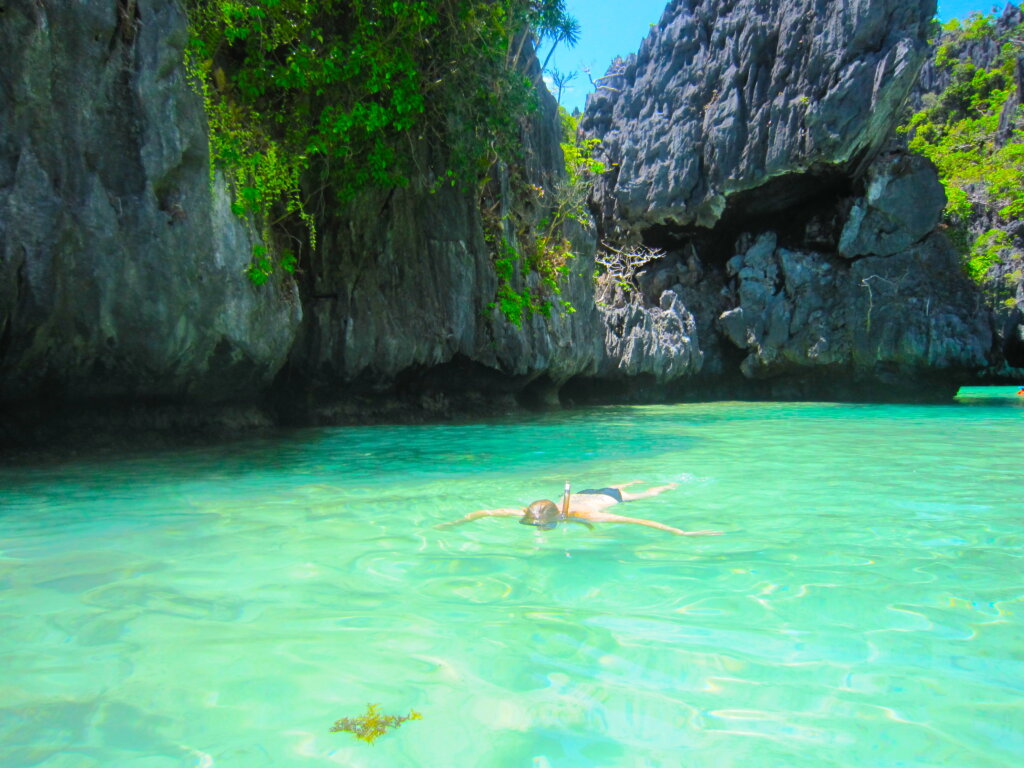
Featured photo: Fabio Achilli from Milano, Italy via Wikimedia Commons (CC BY 2.0).