TL;DR: Nusa Penida is a land-based cliff-and-viewpoint adventure, 30–45 minutes by fast boat from Bali, best for dramatic photos and manta ray snorkeling. El Nido is a sea-based lagoon-and-beach destination, best for daily island hopping and easy swimming. Pick Nusa Penida for a short add-on to Bali; pick El Nido if the islands are the main event.
Nusa Penida’s Kelingking Beach and El Nido’s Big Lagoon dominate the same social feeds, and both promise jaw-dropping coastal scenery a short hop from a bigger travel hub. But the way you experience them could hardly be more different. This guide focuses on El Nido versus Nusa Penida specifically for travelers deciding where to spend 3–7 days of a Southeast Asia beach trip, especially those weighing a Bali-based holiday against a Philippines one.
Our unique angle: we compare how you actually spend each day (on a scooter or in a car versus on a boat), how physically demanding the highlights are, and which trip suits swimmers, hikers, photographers and families.
The Core Difference: Land Trips vs Boat Trips
On Nusa Penida, the famous sights are mostly clifftop viewpoints reached by road: Kelingking Beach’s T-Rex-shaped headland, Broken Beach’s natural arch, Angel’s Billabong tidal pool and Diamond Beach’s carved staircase. You spend a lot of time in a car or on a scooter on narrow, hilly roads, then hike down (or just look down) to the sea.
In El Nido, the sights are mostly reached by boat. You climb aboard a bangka in the morning, and every stop is a lagoon, beach or reef where you jump in the water. Your feet barely touch a road. Our Tour A vs Tour B guide shows how the standard routes work.
Side-by-Side Comparison
| Factor | El Nido (Palawan) | Nusa Penida (Bali, Indonesia) |
|---|---|---|
| Getting there | Fly to Puerto Princesa + 5–6 hr van, or fly to Lio Airport | Fast boat from Sanur, about 30–45 min |
| Main way to explore | Island-hopping boats | Car or scooter on rough roads |
| Signature sights | Big Lagoon, Secret Lagoon, Hidden Beach, Nacpan Beach | Kelingking Beach, Broken Beach, Angel’s Billabong, Diamond Beach |
| Swimming | Easy and frequent, calm lagoons | Limited; strong waves and currents at many beaches |
| Marine life | Reef snorkeling, turtles, diverse coral | Manta rays year-round; seasonal mola mola for divers |
| Physical difficulty | Low–moderate | Moderate–high (steep beach descents) |
| Typical stay | 4–6 nights | Day trip or 1–3 nights |
| Best season | About November–May | About April–October (Bali dry season) |
Scenery and Signature Spots
Nusa Penida is all about scale and height. Kelingking’s cliff plunges into an electric-blue bay, and the view from the top is one of Asia’s most photographed. Broken Beach is a circular cove with a sea arch; nearby Angel’s Billabong is a rock pool that looks calm in photos but can be swept by large waves. The east coast adds Diamond Beach and Atuh Beach, framed by sculpted limestone.
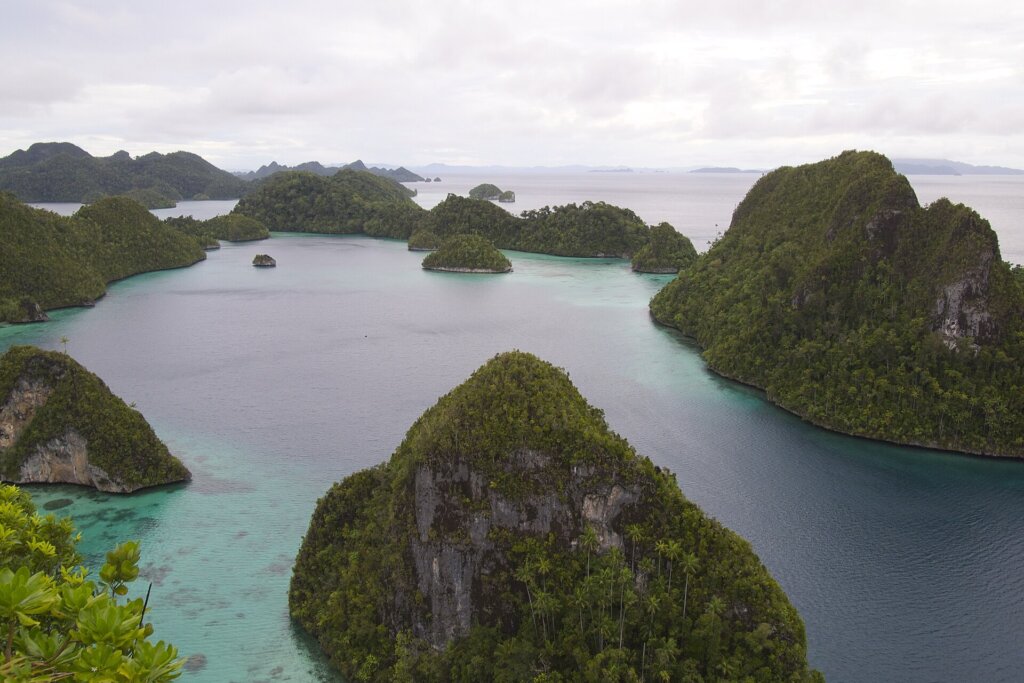
El Nido is about intimacy and color. Limestone walls enclose lagoons you paddle into by kayak; white-sand coves like Hidden Beach and Papaya Beach appear around corners (see our Papaya Beach guide). Rather than one jaw-dropping viewpoint, you get a sequence of smaller, swimmable wonders every day. For karst-lovers, our El Nido vs Phang Nga Bay comparison is a useful companion read.
Safety and Physical Demands
This is where the two diverge most. Nusa Penida’s coast faces the open Indian Ocean, and its famous beaches can be dangerous: the trail down to Kelingking Beach is steep, loose and exposed, and many visitors turn back. Rip currents and surging waves have caused serious accidents at several beaches and at Angel’s Billabong. Roads are narrow, steep and often potholed; if you are not an experienced rider, hire a car with a driver rather than a scooter.
El Nido is gentler. Lagoons are sheltered, boat crews provide life jackets, and the physical challenges are mostly short scrambles (Secret Lagoon’s rock hole, small cave entrances) and wet beach landings. Weather is the main risk: in the southwest monsoon, swell can cancel tours. Check our month-by-month weather guide before booking.
Snorkeling and Diving Compared
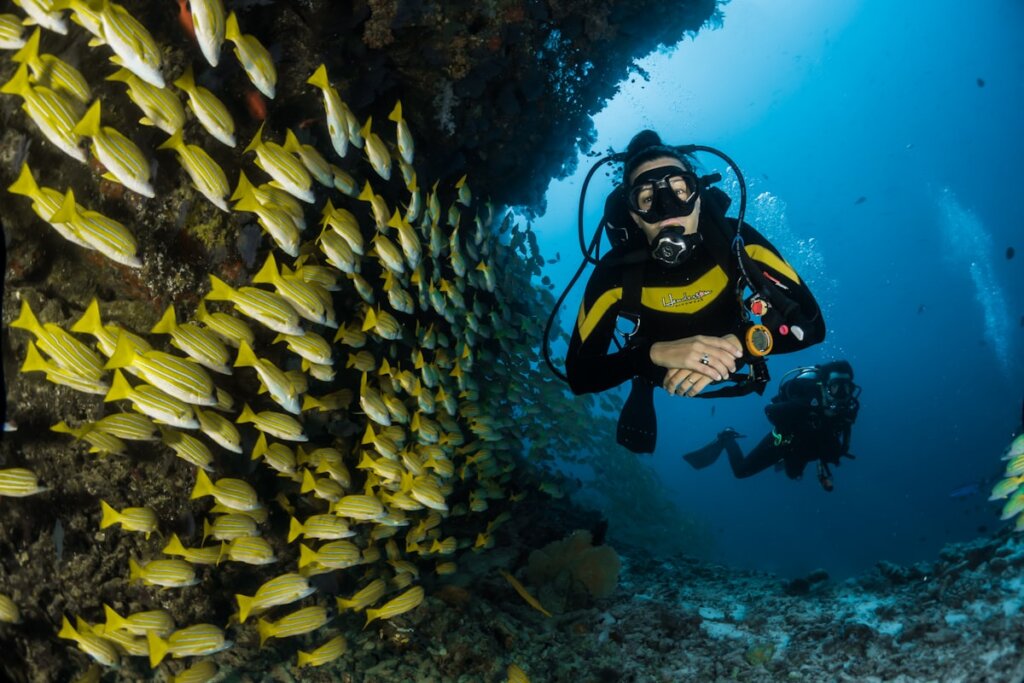
Nusa Penida’s marine highlight is Manta Point and Manta Bay, where reef manta rays gather at cleaning stations; snorkel trips from Penida and nearby Nusa Lembongan run most days, conditions permitting. Divers come for drift dives and, in roughly July to October, the chance of mola mola (ocean sunfish) at sites like Crystal Bay. Currents can be strong and cold, so it suits experienced divers. The Manta Trust publishes respectful manta-watching guidelines.
El Nido offers calmer, warmer, easy snorkeling on almost every tour, with coral gardens, reef fish and occasional turtles. It is one of the best places in the region to learn to dive, thanks to sheltered sites close to town; see our diving courses guide.
Costs and Logistics
Getting to Nusa Penida is cheap and fast: fast boats from Sanur run frequently. Visitors to Bali pay the provincial tourist levy, managed through the official Love Bali portal, and some sites charge small entry or parking fees. Accommodation on Penida ranges from budget homestays to a handful of cliff-view boutique resorts. Day tours with a driver are affordable, and the Wonderful Indonesia tourism site covers entry rules.
El Nido costs more to reach (domestic flight plus van, or a premium flight into Lio) and its hotels run pricier than Penida for comparable quality, plus the ecotourism development fee for island hopping. Shared island tours are reasonably priced; private boats cost more but are worth it for groups. The Philippine Department of Tourism site covers entry requirements.
Where to Stay on Each Island
Nusa Penida splits into three practical zones. The northwest around Toyapakeh and Ped is closest to fast-boat landings and has the most restaurants, making it the easiest base for a short stay. The west, near Crystal Bay, puts you close to snorkel and dive sites and sunset views. The east coast near Atuh and Diamond Beach is quieter and more scenic but farther from everything else, so plan for longer drives. Because roads are slow, choosing a base near the sights you care about most saves hours.
El Nido works differently: almost all island tours leave from the town beach or Corong-Corong, so your base choice is about atmosphere. Poblacion is lively and walkable, Corong-Corong is calmer with the best sunsets, Lio offers a planned beachfront estate near the airport, and remote resorts at Nacpan or on private islands trade convenience for seclusion. See our scooter rental guide if you plan to explore the northern beaches yourself.
Packing Differences
For Nusa Penida, pack proper hiking sandals or trail shoes with grip for steep descents, a light rain shell in shoulder months, motion-sickness tablets for winding roads and fast boats, and a dust mask or buff if you plan to ride a scooter. Bring cash, since ATMs are limited away from the main villages.
For El Nido, prioritize water gear: reef shoes, a rash guard, a mask that fits, a dry bag for the boat and plenty of reef-safe sunscreen. You will spend most days wet, so quick-dry clothes and a second swimsuit make life easier.
Who Should Choose Which?
- Swimmers and snorkelers: El Nido, clearly. Calm lagoons and daily reef stops.
- Photographers chasing one epic shot: Nusa Penida’s clifftop viewpoints are hard to beat.
- Families with young kids: El Nido’s boat-based days are easier than Penida’s steep trails and long drives.
- Experienced divers: Nusa Penida for mantas and mola mola; El Nido for relaxed reef diving and courses.
- Short on time: Nusa Penida as a day trip or overnight from Bali.
- Want the islands to be the whole trip: El Nido, staying at least four nights.
Sample Itineraries
Nusa Penida (2 days from Bali): Day 1 early fast boat from Sanur, west-coast loop of Kelingking, Broken Beach and Angel’s Billabong, overnight near Crystal Bay. Day 2 morning manta snorkel, afternoon east-coast Diamond and Atuh beaches, return boat to Sanur.
El Nido (5 days): Day 1 arrive, sunset in Corong-Corong. Day 2 Tour A (lagoons). Day 3 Tour C (Hidden Beach, Secret Beach). Day 4 Nacpan Beach and a waterfall (see our waterfall guide). Day 5 kayak or dive before departing. More island comparisons: El Nido vs Koh Lipe.
Key Takeaways
- Nusa Penida is a road-and-viewpoint trip; El Nido is a boat-and-swim trip.
- Nusa Penida is 30–45 minutes from Bali by fast boat; El Nido takes most of a day to reach.
- Penida’s beaches can be dangerous; take steep trails and waves seriously.
- Penida wins for mantas and epic clifftop photos; El Nido wins for easy snorkeling and lagoons.
- Best seasons differ: about April–October for Penida, November–May for El Nido.
- Plan 1–3 nights for Penida and 4–6 nights for El Nido.
Frequently Asked Questions
Is Nusa Penida or El Nido better for a first-time Asia trip?
If you are already going to Bali, Nusa Penida is the easy add-on. If you want a dedicated island-hopping holiday with lots of swimming, El Nido is the better choice.
Can you swim at Kelingking Beach?
The beach is reached by a steep, difficult trail and waves and currents are often strong. Many visitors only view it from the top, and swimming is frequently unsafe.
How many days do I need in Nusa Penida vs El Nido?
One to three days covers Nusa Penida’s main sights. El Nido deserves four to six nights to do two or three island tours and a beach day.
Where can I see manta rays, Nusa Penida or El Nido?
Nusa Penida is far more reliable for manta rays, with snorkel and dive trips to Manta Point and Manta Bay running most days when conditions allow.
Which is cheaper, Nusa Penida or El Nido?
Nusa Penida is usually cheaper overall thanks to inexpensive fast boats from Bali and lower accommodation prices; El Nido costs more to reach and to stay in.
About the Author
This guide was compiled by the El Nido Hotels Ranking editorial team, with input from local operators and ongoing on-the-ground updates.
Featured photo: Shrigusti via Wikimedia Commons (CC BY-SA 4.0).