Every visitor hopes to spot something wild beyond the lagoons, yet few guides explain what is actually likely. This guide focuses specifically on nature-minded travellers who want realistic expectations for seeing turtles, rays, dolphins and reef fish around Bacuit Bay, plus the etiquette that keeps encounters safe for animals and people. You will find a sightings comparison, timing advice, gear tips and a short code of conduct.
- What You Can Realistically See Around Bacuit Bay
- Best Time of Year and Time of Day
- Safety Basics Before You Get in the Water
- Snorkelling and Diving: Where Sightings Are Most Likely
- How to Snorkel Quietly So Animals Stay Close
- A Code of Conduct for Meeting Marine Animals
- Choosing a Responsible Operator
- Photographing Wildlife Without Disturbing It
- Seeing Wildlife Beyond the Water
- What to Pack for a Wildlife-Focused Day
- Frequently Asked Questions
What You Can Realistically See Around Bacuit Bay
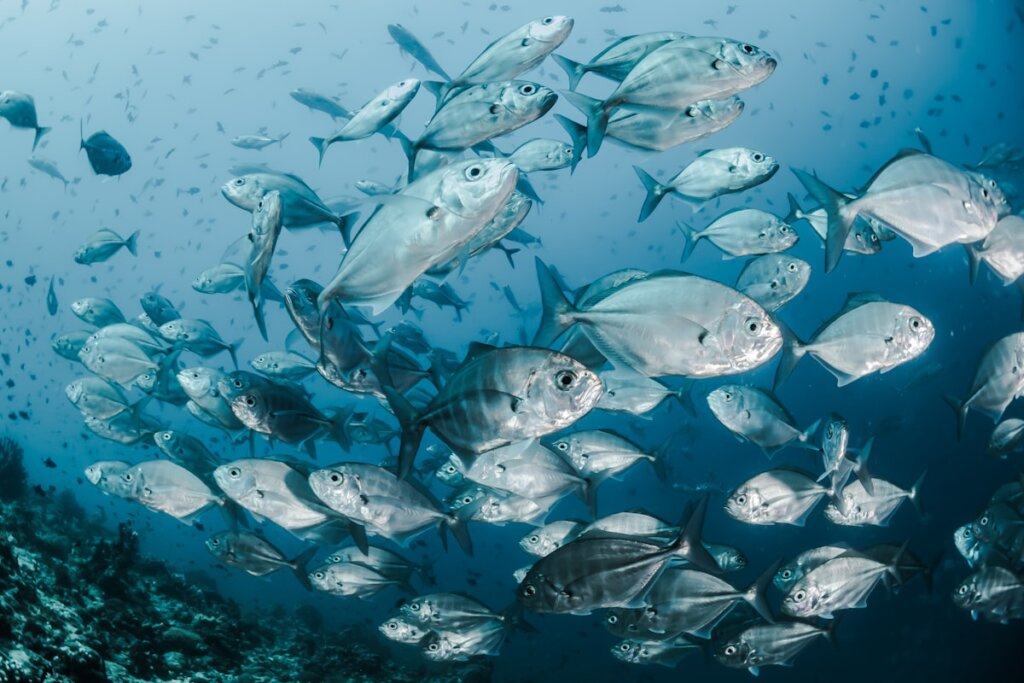
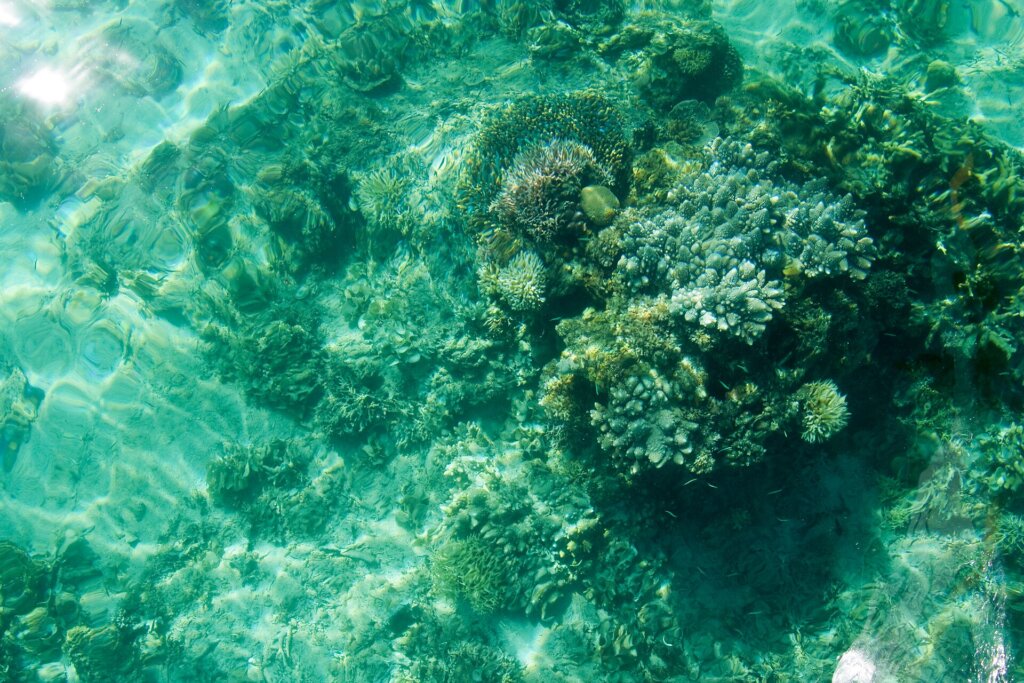
Bacuit Bay is part of a protected seascape where limestone islands meet seagrass, coral and open water. Sightings depend on season, tide and luck, so treat any list as a probability, not a promise. Reef fish, giant clams and sea stars are near certain on a snorkel stop. Green sea turtles and rays appear fairly often. Dolphins and larger visitors are rarer, and no guide can guarantee them.
| Animal | Likelihood on a typical tour | Best habitat | Notes |
|---|---|---|---|
| Reef fish (parrotfish, wrasse, damselfish) | Very high | Shallow coral gardens | Visible from the surface in clear water |
| Giant clams and sea stars | High | Rocky shallows and lagoons | Do not touch or lift |
| Green sea turtles | Moderate | Seagrass beds and reef edges | Keep at least a few metres away |
| Rays and reef sharks (small) | Low to moderate | Sand flats and deeper channels | Usually harmless if undisturbed |
| Dolphins | Low | Open water between islands | Often seen from the boat, not in the water |
| Whale sharks and large visitors | Rare | Open sea, seasonal | Not a standard tour feature |
Remember that wildlife moves. A turtle seen on one tour may not appear the next day. Choose operators who explain this honestly rather than promising sightings.
Best Time of Year and Time of Day
Calm seas and clear water give the best chances. The dry season, roughly December to May, brings flatter water and better visibility. Early morning, before the busiest boats arrive, tends to be quieter, and animals are often more relaxed. Late afternoon can also be good when day boats go home.
Check the weather outlook on PAGASA or weather.com the day before. Strong winds and rough water scatter wildlife and make snorkelling unpleasant. If a tour is cancelled, our bad-weather refund guide explains your options.
Tides matter too. Shallow lagoons are easiest to enter at mid to high tide, while sand flats often reveal rays and crabs at lower water. Ask your boatman which tide suits each stop.
Safety Basics Before You Get in the Water
Even calm lagoons can hide currents, sharp rock and stinging organisms. Wear a life jacket if you are not a confident swimmer, and never snorkel alone. Listen to the briefing, learn the recall signal and keep the boat in sight at all times. Rinse your mask with a drop of baby shampoo or defogger before you start so you do not need to adjust it mid-swim.
Jellyfish and sea lice appear seasonally, so a thin rash guard or lycra suit protects your skin and also reduces sunburn. If you are stung, leave the water, rinse with seawater, and ask the crew for vinegar from the first-aid kit. Seek medical help for severe reactions such as difficulty breathing. Hydrate before and after, eat lightly rather than on a full stomach, and avoid alcohol until you are back on land.
Tell the crew about any medical conditions, and carry any personal medication in a sealed dry bag. A short briefing from you helps them respond if something goes wrong.
Snorkelling and Diving: Where Sightings Are Most Likely
Snorkelling stops on standard island-hopping routes cover shallow reefs where fish are abundant. Divers can reach deeper sites with more variety, including walls, wrecks and channels where bigger fish gather. If you are weighing dive destinations, read our El Nido vs Coron diving comparison to see how they differ.
Beginners should start with a guided snorkel in calm water and use a well-fitting mask. A snorkel vest improves safety and lets you float quietly, which reduces disturbance. Experienced divers should check currents and local conditions with the dive operator before every dive, and always dive with a buddy.
For an overview of ocean-friendly diving standards, the PADI website summarises widely used guidelines, including buoyancy control and reef etiquette.
How to Snorkel Quietly So Animals Stay Close
Animals read behaviour long before they read faces. Enter the water slowly from a ladder or sandy edge rather than jumping, and avoid splashing near feeding fish. Float horizontally, keep your hands tucked against your body or clasped behind your back, and use gentle, slow fin strokes from the hips rather than the knees. Practise relaxed breathing through the snorkel so you do not startle anything with sudden gasps or bubbles.
If you meet a turtle, let it come up for air without crowding it. Turtles must surface to breathe, and a ring of swimmers can stop them from doing so. Stay to the side and slightly behind, never directly above, and drift away when it moves off. With rays, avoid shadowing them from above, since predators approach that way. A calm, patient swimmer sees more than a fast one who tries to chase every fish.
Group size matters. Four to six snorkellers per guide is a comfortable number for a lagoon, while crowded platforms scare off larger animals. If a spot looks busy, ask your boatman to anchor a short distance away and swim over. You may be rewarded with a quieter reef.
A Code of Conduct for Meeting Marine Animals
- Keep a respectful distance. Do not chase, corner or reach for animals.
- Never touch or stand on coral. A single fin kick can break decades of growth.
- Do not feed fish. It changes behaviour and can make animals aggressive.
- Avoid flash photography underwater; use natural light.
- Do not collect shells, sea stars or coral, even if they look empty.
- Apply sunscreen well before entering the water, and choose a mineral type; see our reef-safe sunscreen guide.
- Leave when an animal shows stress, such as fast swimming away or repeated diving.
Marine protected areas have rules and fees that fund patrols and clean-up. Follow your guide’s briefing, and report anything that looks illegal to the local tourism office. You are a guest in a living system.
Choosing a Responsible Operator
Look for operators who brief guests before every stop, limit group size, carry first-aid kit and life jackets, and explain the rules about touching wildlife. Be cautious of anyone who offers to catch animals for photos or bring food to attract them. Prefer smaller boats if you can, since they create less disturbance and make quiet observation easier.
Ask how many boats visit each stop and whether the crew pauses to let others finish. Good operators schedule around crowds and adjust the route when a site is busy. For wider guidance on low-impact travel, see our eco-tourism guide.
Finally, read recent reviews and look for comments about guide knowledge and safety. A guide who can name the fish you are seeing usually respects them too.
Photographing Wildlife Without Disturbing It
Good wildlife photos come from patience and zoom, not proximity. A phone in a waterproof pouch works well for fish and coral, while action cameras with a wide lens suit snorkellers who stay near the surface. Turn off flash, disable burst sounds and keep your fins well clear of the bottom to avoid raising silt that clouds the water.
Shoot from eye level when an animal is relaxed, and stop immediately if it changes direction toward you or swims away. Respect other people’s space on the boat and underwater; do not block the view of a sea turtle for the sake of a selfie. Delete the urge to touch for a shot, and remember that drones, covered in our drone photography guide, are restricted in some protected zones.
When you post photos online, avoid tagging exact locations of nesting sites or rare sightings. Precise coordinates can attract crowds and poachers. A general tag of El Nido or Bacuit Bay is enough, and it keeps the animals safer.
Seeing Wildlife Beyond the Water
Wildlife viewing does not end at the beach. Limestone cliffs hold nesting seabirds, mangroves shelter crabs and mudskippers, and forest edges echo with birds at dawn. If you are interested, combine your marine trip with bird watching around El Nido or a paddle through quiet channels on our kayak routes.
Bring binoculars, a waterproof bag and a notebook. Sit still, stay quiet, and let animals come to you. Patience is rewarded more often than movement.
What to Pack for a Wildlife-Focused Day
Pack a well-fitting mask and snorkel, a rash guard for sun protection, reef-safe sunscreen, a waterproof camera or phone case, a reusable bottle, a light dry bag and a small towel. A hat and polarised sunglasses help you spot movement on the surface. Bring a little cash for park fees and tips for the crew.
Finally, travel insurance that covers water activities is worth having, and non-swimmers should wear a life jacket at every stop. Preparation helps you focus on the animals rather than the logistics, and lets you leave the place as you found it.
If you only remember one rule, make it this: look, enjoy and leave no trace. The reward is a memory of a turtle gliding across sand that will outlast any photo, and a bay that stays healthy for the next traveller. Share what you saw with your guide too, because local sighting records help communities track the health of their waters.
Frequently Asked Questions
Can you see dolphins in El Nido?
Sometimes. They are occasionally spotted from boats in open water, but sightings are not guaranteed and are not part of every tour.
Are sea turtles common around Bacuit Bay?
Green sea turtles are seen fairly often on seagrass and reef edges, especially in calm conditions.
Is it safe to swim near rays or small sharks?
Generally yes if you stay calm and keep your distance. Never touch or chase them, and follow your guide’s instructions.
What is the best month to see marine life?
The dry months from roughly December to May offer calmer water and better visibility.
Can I touch or feed animals?
No. Touching and feeding are discouraged and can harm animals and reefs.