You can see clownfish on most El Nido snorkel tours — the best odds are at reef stops like Shimizu Island, Helicopter Island and the Matinloc area; ask your guide, float calmly and never touch the anemone.
For many visitors, spotting a real-life clownfish nestled inside a swaying anemone is a highlight of the trip. The good news is that El Nido’s reefs, part of the biodiverse Coral Triangle, host several anemonefish species, and many live in water shallow enough for casual snorkelers. This guide focuses on clownfish specifically for snorkelers, families with kids and beginner divers who want to see anemonefish in El Nido.
Our unique angle: instead of a general marine-life overview, we focus on one charismatic fish — where it lives, which species to look for, and how to watch it without harming the reef.
The 7 Best Spots to See Clownfish in El Nido
Anemones move very little, but conditions change daily, so treat this as a list of high-probability places rather than guarantees. Your boat crew will know which reef sections are in the best shape on the day.
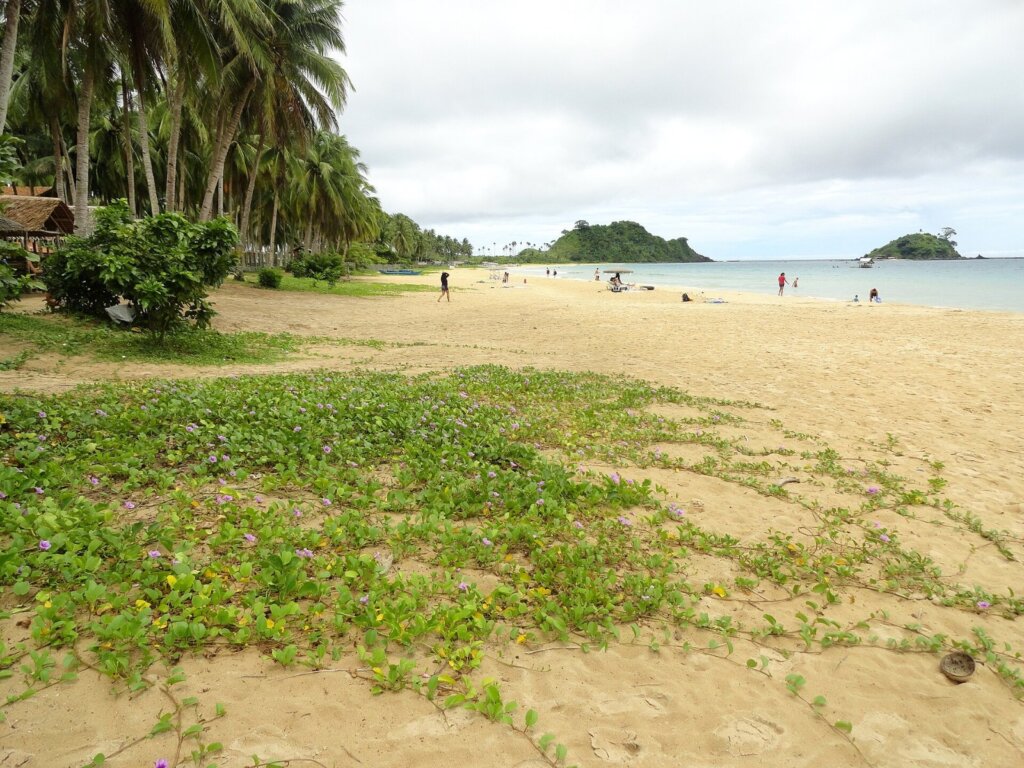
- Shimizu Island reef (Tour A) — A favourite lunch-and-snorkel stop where the reef edge beside the beach often hosts anemones in shallow, clear water.
- Seven Commandos and nearby reef patches — Calmer patches near the beach suit beginners; scan sandy-rock edges for small anemones.
- Helicopter (Dilumacad) Island reef — The fringing reef around the island is a common snorkel and dive stop with varied anemone hosts.
- Entalula Island (Tour D area) — Quieter water on many days and a reef where guides frequently spot anemonefish.
- Matinloc and Tapiutan Strait area (Tour C) — Deeper, clearer water with coral slopes; best for confident swimmers and divers.
- Pinagbuyutan and Snake Island reefs (Tour B) — Patchy coral with sand channels where anemones sit on rocks and rubble.
- Miniloc and nearby dive sites — Dive operators visit sites around Miniloc and the Twin Rocks area, where several anemone species are often logged.
Most of these spots appear on the standard island-hopping routes. Our guides to Tour A, Tour C and Tour B list each stop in order, so you can see which day gives you the most reef time.
Spot-by-Spot Notes for Different Swimmers
Total beginners and kids: start at Shimizu Island or the calmer reef patches near Seven Commandos. The water is usually shallow close to shore, boats anchor nearby and you can return to the beach whenever you need a break. Ask the crew for a life vest — there is no shame in using one, and it keeps your hands off the reef.
Confident snorkelers: Helicopter Island and Entalula reward you for swimming a little farther from the boat. Follow the reef edge slowly, scanning rocks and rubble rather than the open blue; anemones often sit on the tops of boulders where sunlight is strongest.
Strong swimmers and divers: the Matinloc and Tapiutan area has clearer, deeper water and occasional currents, so stay close to your guide. Divers exploring sites around Miniloc frequently log several anemone species in one dive, along with the small shrimps and crabs that share the hosts.
Wherever you snorkel, remember that a single anemone can be home to a whole family — one large female, a smaller breeding male and a few juveniles. Watching their pecking order play out is far more rewarding than a quick photo and swim-away.
Clownfish Species You Might Spot
“Clownfish” is the popular name for anemonefish, a group of damselfish that live in a partnership with sea anemones. The fish gain shelter among stinging tentacles they are protected from, and in return they clean and defend the anemone. Learn more on Wikipedia’s anemonefish page or search individual species on FishBase.
| Species | How to recognise it | Typical host / depth |
|---|---|---|
| False clown anemonefish (Amphiprion ocellaris) | Bright orange with three white bands edged thin black — the “Nemo” look | Magnificent and carpet anemones; shallow |
| Clark’s anemonefish (Amphiprion clarkii) | Dark body, yellow tail and fins, two or three white bands | Many host anemones; shallow to moderate depth |
| Pink anemonefish (Amphiprion perideraion) | Pale pink-orange with a thin white stripe on the back and one head bar | Magnificent anemone; shallow reef slopes |
| Orange skunk anemonefish (Amphiprion sandaracinos) | Orange with a single white stripe along the back | Leathery and merten’s anemones |
| Spinecheek / maroon anemonefish (Premnas biaculeatus) | Deep red-maroon with thin bands; larger and territorial | Bubble-tip anemone; often slightly deeper |
For other fish you will meet on the same reefs, keep our El Nido reef fish identification guide open on your phone.
Snorkeling vs Diving for Clownfish
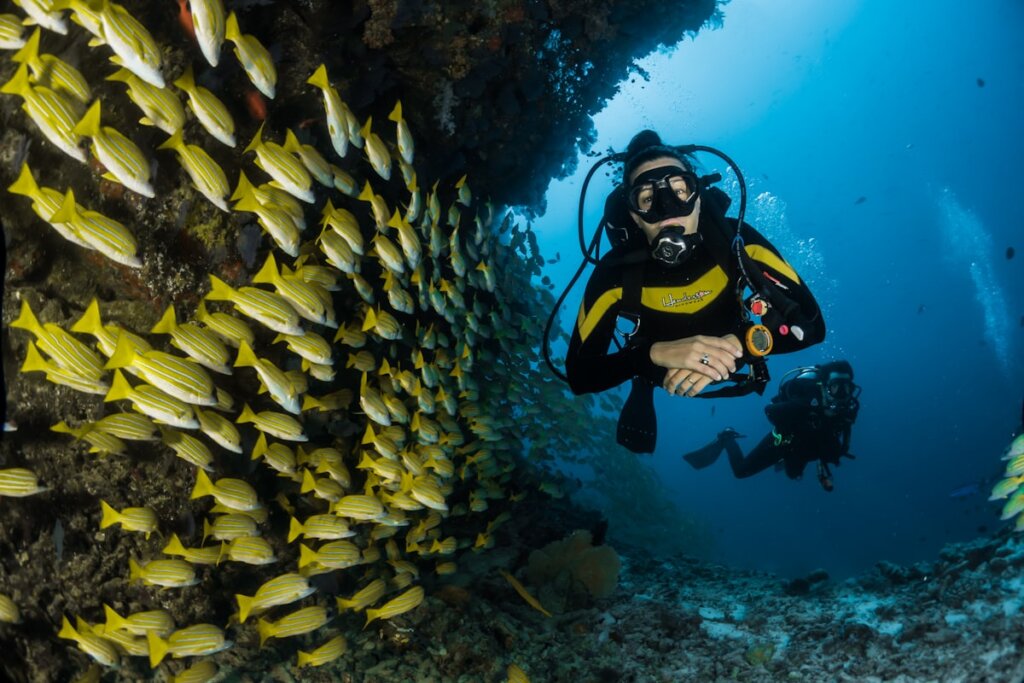
Snorkeling is the easiest way: many anemones sit in two to five metres of water, and the bright fish are visible from the surface on calm days. Float horizontally, keep fins up and away from coral, and wait — clownfish rarely leave their host, so patience pays off.
Diving opens up deeper anemone fields and the chance to see several species in one dive. You can hover at eye level, watch the fish tend eggs on rocks beside the anemone and see the cleaning shrimp that sometimes share the host. If you are new to diving, our snorkeling spots guide and dive guides explain how to progress.
Best Time and Conditions
Visibility is usually best in the calmer dry-season months, roughly November to May, and in the morning before wind picks up. Overcast days make colours duller, while bright midday light makes orange fish glow. Low tide brings shallow anemones closer to the surface, but also brings your fins closer to the coral — be extra careful.
- Mornings tend to have flatter water and fewer boats at popular reefs.
- Calm, sunny days give the classic bright-orange look in photos.
- After storms visibility can drop for a day or two as sediment settles.
How to Watch Clownfish Responsibly
Anemones are animals, and both they and the coral around them are easily damaged. Anemonefish are also territorial — chasing or cornering them causes stress during breeding. Follow these simple rules:
- Never touch, feed or chase clownfish or anemones.
- Keep an arm’s length away and stay horizontal so your fins do not kick coral.
- Do not stand on reef; if you need to rest, swim back to the boat or a sandy patch.
- Use mineral, reef-friendly sunscreen or a rash guard instead — see NOAA’s guidance on sunscreen and coral reefs.
- Avoid using flash at close range and limit time hovering over one anemone when others are waiting.
Small creatures share these reefs too; read our guide to giant clams and small sea creatures for snorkelers to know what else to look for.
Gear and Photo Tips
A well-fitting mask makes the biggest difference. Many tours include basic gear, but if you plan to spend a lot of time looking for small fish, consider your own mask and snorkel — our rent or bring snorkel gear guide weighs the options.
- Action cameras: shoot in burst mode and get low and level with the anemone rather than pointing straight down.
- Phones in housings: test the case in a sink first and avoid deep dives with consumer pouches.
- Kids: a floating vest lets children hover calmly above anemones without touching the reef.
- Patience: wait 30–60 seconds — clownfish that hid at first usually re-emerge to check you out.
Clownfish Facts Kids Love
All clownfish are born male; the largest fish in a group becomes the breeding female, and if she disappears, the dominant male changes sex to replace her. They are coated in a special mucus that helps protect them from their host’s stinging cells, and they often lay eggs on a rock right next to the anemone, guarded by the male. Sharing these facts before a tour turns a quick snorkel stop into a real nature lesson.
Planning Your Clownfish Day
If seeing clownfish is a priority, choose a group tour with several reef stops, or charter a private boat so you can linger. Tell the guide at the start of the day; most crews enjoy pointing out “Nemo” and know exactly which anemones are active. Pack a rash guard, water, and a dry bag for your camera, and plan for at least two snorkel sessions to improve your chances.
Key Takeaways
- Clownfish are common on El Nido reefs and visible to snorkelers in shallow water.
- Good odds: Shimizu Island, Helicopter Island, Entalula and the Matinloc area.
- Look for five main species, from the classic false clown to the maroon spinecheek.
- Calm, sunny mornings in the dry season give the best visibility.
- Never touch anemones or coral; use reef-friendly sun protection.
Frequently Asked Questions
Can you see clownfish in El Nido?
Yes. Several anemonefish species live on El Nido reefs, and snorkelers regularly see them on standard island-hopping tours in shallow water.
Which El Nido tour is best for clownfish?
Tour A and Tour C usually include good snorkel stops, but anemones appear on many reefs. Tell your guide at the start of the day that you want to see clownfish so they can point them out.
Do I need to dive to see clownfish?
No. Many anemones sit in two to five metres of water, which is easy to view while snorkeling. Divers see more species and deeper anemones.
Can I touch clownfish or anemones?
No. Touching stresses the fish, can damage the anemone and may sting you. Keep at least an arm length away and never stand on coral.
What species of clownfish live in El Nido?
Commonly reported species in Palawan include the false clown anemonefish, Clark’s anemonefish, pink anemonefish, orange skunk anemonefish and the spinecheek (maroon) anemonefish.
About the Author
This guide was compiled by the El Nido Hotels Ranking editorial team, with input from local operators and ongoing on-the-ground updates.