
When the generators hum down and the town lights fade, El Nido’s night sky comes alive. This guide focuses on stargazing specifically for travelers who want to see the Milky Way, planets, and meteor showers without joining a formal astronomy tour. It ranks the best viewing approaches, explains when to go, covers what to pack, and offers simple photography tips so you can capture the sky with the phone or camera you already have.
Why El Nido Is Good for Stargazing
Palawan has relatively low light pollution compared with the Philippines’ big cities, and El Nido’s limestone cliffs block stray glare from town. On a clear, moonless night, the Milky Way core can stretch overhead in the dry season, and the southern sky offers constellations that Northern Hemisphere visitors rarely see. The location near 11 degrees north latitude means you can see both northern stars such as the Big Dipper low on the horizon and southern objects such as the Southern Cross at certain times of year.
Clear nights are not guaranteed. Humidity, haze, and cloud can hide the sky for days, so flexibility is key. Check the cloud forecast on weather.com and the local advisories at PAGASA before heading out.
Best Time of Year and Moon Phase
The driest months, roughly February to May, bring the clearest skies and the best visibility of the Milky Way core before dawn. November and December can also deliver sharp, dry nights between showers. The southwest monsoon season from June to October has more cloud, though gaps appear and the sky can be spectacular after a front passes.
The moon matters as much as the season. Plan around the new moon, when the sky is darkest, and avoid the week around the full moon unless you simply want a bright, atmospheric beach night. Our full moon nights guide covers the opposite approach, with parties and bright beach walks. For dark skies, aim for the three or four nights around the new moon. Also note sunset and moonrise timing using our sunrise and sunset times by month, since astronomical darkness begins about 90 minutes after sunset.
Ranking the Best Ways to Stargaze
You do not need a telescope or a guide. Here are the main approaches, ranked by the combination of sky quality, convenience, and safety.
| Rank | Approach | Sky Darkness | Effort | Best For |
|---|---|---|---|---|
| 1 | Quiet beach outside town (Nacpan, Duli, or similar) | Very dark | Medium, needs transport | Milky Way photography |
| 2 | Resort or beachfront with low lighting | Dark | Low | Couples and relaxed viewing |
| 3 | Overnight boat or island camping trip | Very dark | High, needs booking | Immersive experience |
| 4 | Rooftop or hotel terrace in town | Moderate | Very low | Planets and bright stars |
| 5 | Beach near town center | Moderate to bright | Very low | Casual stargazing with a drink |
1. A quiet beach outside town
Distance from town lights makes the biggest difference. Beaches north or south of town with few buildings give wide, dark horizons. Go with a group or a driver you trust, tell your accommodation where you are going, and arrange a ride back, since tricycles may not run late. Bring a headlamp with a red light mode, which protects your night vision.
2. A low-lit resort or beachfront
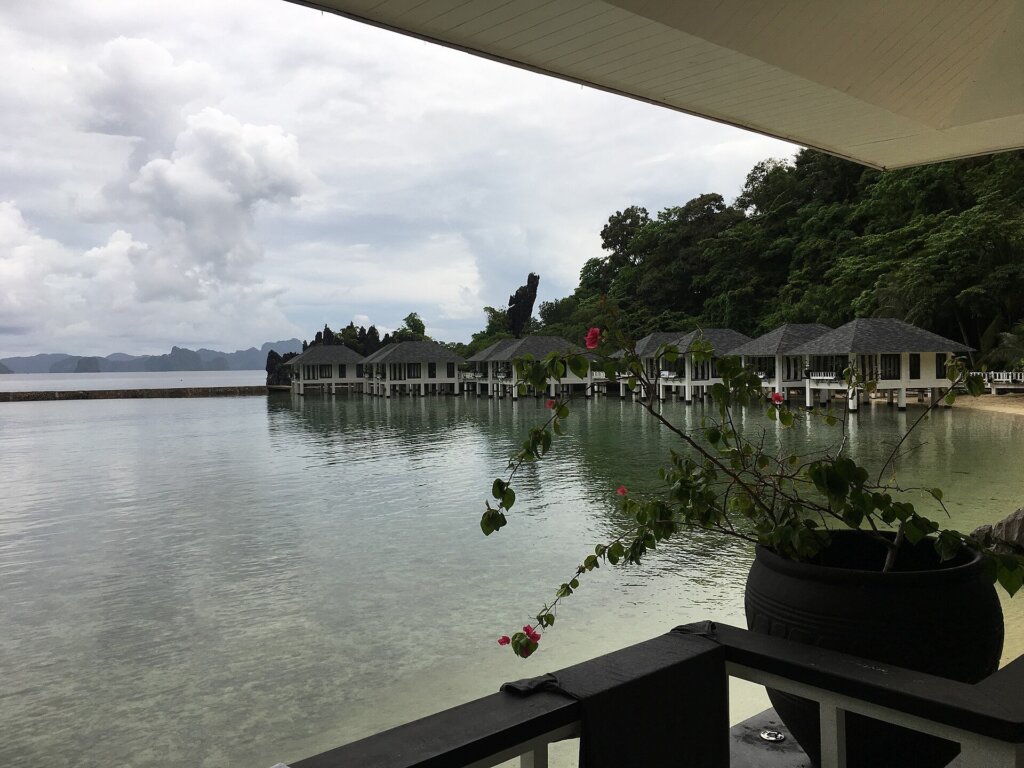
Some resorts keep lighting low and warm, and a few offer evening stargazing on request. Ask the front desk whether they can dim lights near the beach or recommend a darker spot on the property. This is the easiest way to combine comfort with a good sky. Our backup power and brownouts guide adds a useful twist: when the power cuts out, the town sky often becomes surprisingly dark.
3. Overnight boat or island camping
Multi-day boat trips and island camps put you far from any light source. You fall asleep under a sky full of stars and wake to a quiet sunrise. These trips require advance planning, weather flexibility, and a reputable operator who prioritizes safety. Confirm sleeping arrangements, sanitation, and emergency communication, and follow local rules on camping.
4. A rooftop or terrace in town
You will not see the faintest stars, but bright planets, the Moon, and the main constellations are easy to spot. It is the lowest-effort option and good for a first look. Combine it with a drink at a rooftop bar; see our rooftop bars and sunset decks guide for ideas.
5. The beach near the town center
Street lights and restaurants will wash out the sky, but a short walk to a darker corner can improve things. It is a fine place to start, then move to a darker spot if conditions are good.
What You Can Expect to See
With the naked eye, you can usually see the brightest constellations, several planets depending on the month, the Moon in detail through binoculars, and the Milky Way as a faint, cloud-like band in dark locations. A pair of 7×50 or 10×50 binoculars reveals the Moon’s craters, Jupiter’s moons, and star clusters. Free apps such as Stellarium or SkyView identify objects instantly. Meteor showers can be fun: the Perseids in August and Geminids in December are both visible from the Philippines when skies are clear, although August cloud often interferes. The NASA night sky resources list upcoming events and planetary positions.
Photography Tips for Beginners
Modern phones can capture the Milky Way if you prepare. Use night mode or a manual app, prop the phone on a stable surface or a small tripod, set a long exposure of 10 to 30 seconds, and use the timer to avoid shake. Focus manually on a distant star or light, lower the ISO to reduce noise, and shoot a few frames to choose the best. For cameras, a wide lens with an aperture of f/2.8 or wider, ISO 1600 to 3200, and a 15 to 20 second exposure is a good starting point. Include foreground interest such as a boat, a palm tree, or a cliff silhouette to give the image depth.
Safety and Comfort at Night
Dark beaches carry hazards: uneven sand, rocks, stray dogs, and tide changes. Never swim at night after drinking, and keep a phone with a charged battery and a power bank. Wear mosquito repellent, since evenings are peak biting time; our mosquito and dengue prevention guide explains how to protect yourself. Bring a light layer, since sea breezes can feel cool, plus water, a blanket or mat, and a small snack. Let someone know where you are, and avoid isolated spots alone.
Respecting the Night
Keep noise down, avoid bright white lights, and pack out everything you bring. Fires on beaches may be restricted, and loud music disturbs both wildlife and other stargazers. Sea turtles can nest on some beaches at night, and bright lights can disorient hatchlings, so follow guidance from local conservation groups and read our sustainable tourism guide for etiquette.
A Simple Night Plan
Check the cloud forecast in the afternoon and confirm the moon phase. Eat dinner early, then head out about 90 minutes after sunset. Arrive at your chosen spot, turn off phone screens or switch to red light, and let your eyes adapt for 20 minutes. Scan for the brightest planets first, then find the Milky Way, and finish by trying a few photos. Return before midnight if you plan to be on the water or travel the next morning.
Gear Checklist
A small kit makes the difference between a short, chilly look at the sky and a relaxed evening. Pack a headlamp with a red light setting, a power bank, binoculars if you have them, a mat or lightweight blanket, a light jacket, drinking water, insect repellent, and a small tripod or a way to prop your phone. A thermos of hot ginger tea is a lovely extra on windy nights. Keep everything in a dry bag, because sea spray and dew can dampen electronics, and wipe lenses gently with a microfiber cloth to prevent fogging in humid air.
Common Mistakes to Avoid
The most common error is arriving too early and giving up before the sky is fully dark, since astronomical twilight takes more than an hour. The second is staring at a bright phone screen, which resets your night vision and forces another twenty-minute wait. Others include choosing a night with a bright moon, ignoring the cloud forecast, and heading to remote spots without transport home. A calm, prepared approach and a willingness to try again on another night will give you far better results than a single rushed attempt.
Final Thoughts
Stargazing in El Nido costs almost nothing and rewards patience. Pick a dark night near the new moon, get away from the lights, bring simple gear, and stay flexible with the weather. Even a short session on a quiet beach can be the most memorable part of a trip.
Frequently Asked Questions
When is the best time to see the Milky Way in El Nido?
The driest months from February to May around the new moon offer the clearest views, especially in the hours before dawn.
Do I need a telescope?
No. Your eyes show constellations and the Milky Way, and a cheap pair of binoculars reveals the Moon’s craters and Jupiter’s moons.
Where is the darkest sky near El Nido?
Quiet beaches outside town and overnight island trips offer the darkest skies, while the town center has the most light pollution.
Is it safe to stargaze on the beach at night?
Generally yes with precautions: go with others, tell your accommodation, avoid swimming after drinking, and arrange a ride back.
Can I photograph stars with my phone?
Yes. Use night mode or a manual app, a stable surface, a timer, and exposures of 10 to 30 seconds.