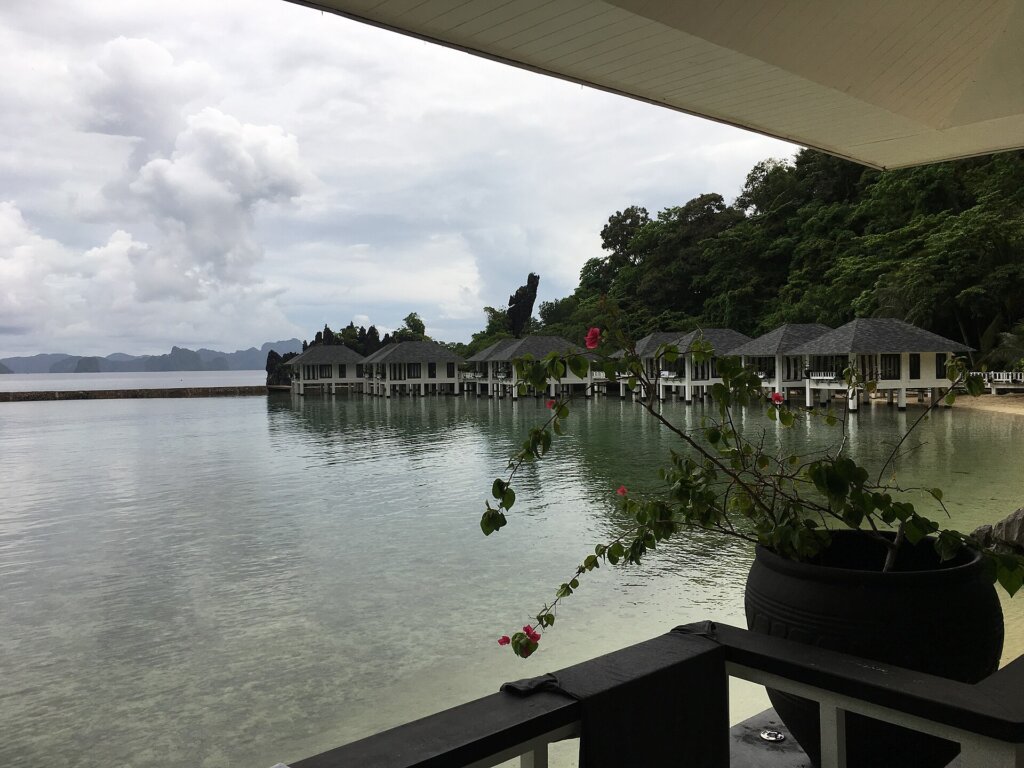
For endurance training in El Nido, March to May brings the calmest seas for open-water swimming but the hardest heat, January–February is the most comfortable for running and riding, and June to October needs flexible plans around rain and rough west-facing water.
Plenty of travelers bring running shoes to El Nido. Fewer think about how the season changes what kind of training is realistic. This guide focuses on endurance training month by month — specifically for runners, triathletes, open-water swimmers and cyclists who want to keep a training block going while on holiday in northern Palawan.
El Nido is not a training camp destination in the classic sense. There is no 50-metre pool in town, roads are hilly, and the climate is hot and humid all year. But that is also its appeal: early-morning coastal runs, warm open water in sheltered coves, and enough elevation to make short rides honest. The key is matching sessions to the season. Below we map heat, humidity, wind and sea conditions to each part of the year, then give practical session ideas and recovery advice.
El Nido’s Training Climate at a Glance
El Nido sits on the western edge of northern Palawan facing Bacuit Bay. Its year is shaped by two monsoons. The Amihan (northeast monsoon) blows roughly from November to February and brings cooler, drier air. The Habagat (southwest monsoon) dominates from about June to October with more rain and, at times, rougher water on west-facing shores. Between them, March to May is the hot dry season.
Air temperatures typically range from the mid-20s °C at night to low-30s °C during the day, with humidity often above 75%. Water temperatures stay warm year-round — see our water temperature by month guide for detail. Official forecasts and climatological normals are available from PAGASA, the Philippine weather service.
Month-by-Month Training Comparison
The table summarises typical conditions. Year-to-year variation is significant, so treat it as a planning baseline, not a guarantee.
| Period | Heat & humidity | Sea conditions (Bacuit Bay side) | Best sessions |
|---|---|---|---|
| January–February | Most comfortable; cooler mornings | Generally calm in the bay; northern beaches windy and choppy | Long runs, hill repeats, longer rides |
| March–April | Hot, dry, rising humidity | Calmest, clearest water of the year | Open-water swims, short dawn runs |
| May | Peak heat; first storms late in month | Mostly calm; afternoon squalls possible | Swim-focused blocks, early brick sessions |
| June–August | Warm, very humid, frequent rain | Variable; rough on southwest monsoon days | Indoor/gym strength, flexible runs between showers |
| September–October | Humid, wettest stretch for many years | Least predictable; storm-related suspensions | Maintenance training, mobility, short intervals |
| November–December | Easing rain, cooler late in December | Improving in the bay; Amihan builds in the north | Rebuilding volume; mixed run and swim |
For a swimmer-specific breakdown of chop and swell by month, read El Nido sea conditions by month.
Running in El Nido: Season-by-Season Tips
January–February is the best running window. Cooler air and lower humidity make long runs possible if you start around sunrise. The coastal road toward Corong-Corong and the stretch north toward Lio give relatively gentle profiles, while the hills on the road toward Nacpan offer natural repeat climbs.
March to May is a heat-management season. Run only at first light, cut planned volume by 20–30% for the first few days, and treat pace as optional. Heart rate and perceived effort are more honest guides in heat than a watch’s pace target.
June to October brings rain that can actually make running more comfortable, but slippery surfaces, puddles hiding potholes and lightning risk need respect. Shift to shorter loops close to your accommodation so you can stop if a storm builds.
November–December is a good time to rebuild. Conditions improve week by week, though December crowds mean busier roads in town. Our running and jogging routes guide maps specific loops and surfaces.
Open-Water Swimming and Triathlon Sessions
El Nido’s real advantage for triathletes is warm, sheltered open water. Most of the year a wetsuit is unnecessary, though a thin top or rash guard protects against sun and small stinging organisms.
- Best window: March to May, when the bay is usually at its calmest and visibility is high.
- Swim parallel to shore in sheltered coves, never across boat channels. Bacuit Bay carries heavy bangka traffic from mid-morning.
- Use a bright tow float so boat captains can see you.
- Swim early. Wind and boat traffic both increase as the day goes on.
- Never swim alone. Bring a partner or arrange a kayak escort.
For brick sessions, combine a dawn swim with a short run immediately after on the beach road. Proper bike training is harder: rental road bikes are scarce, so most visiting triathletes either bring their own bike or swap long rides for hill intervals on a rented mountain bike. Race-specific guidance and event calendars are available from World Triathlon.
Heat, Hydration and Recovery
Training in tropical heat changes the physiology. The body takes roughly one to two weeks to acclimatise, increasing sweat rate and plasma volume. Until then, expect higher heart rates at familiar paces.
- Hydrate before, during and after. Weigh yourself before and after key sessions; each kilogram lost is roughly a litre of fluid to replace.
- Replace sodium. Electrolyte tablets are worth packing; selection in El Nido pharmacies and stores can be limited.
- Know the warning signs of heat exhaustion and heat stroke: dizziness, confusion, nausea, stopping sweating. The World Health Organization’s heat and health guidance outlines symptoms and first response.
- Sleep in air-conditioning if you can. Quality sleep is the cheapest recovery tool, and humid nights without AC can undermine it.
- Use the sea for recovery. An easy float or snorkel after a hard session offers gentle movement in water that’s cooler than the air.
Our heat and sun safety guide covers UV levels and sun protection in more depth.
Fuelling Endurance Sessions in El Nido
Food in El Nido is easy to work with for athletes. Rice-based Filipino meals with grilled fish or chicken are a natural recovery plate, and fresh fruit such as bananas and mangoes is sold widely in town. Coconut water is a popular post-session drink, though it is relatively low in sodium compared with sports drinks, so pair it with a salty snack. If you rely on specific gels or bars, bring a full supply from home; specialist sports nutrition is hard to find on Palawan.
Eat a light, carbohydrate-focused snack before dawn sessions — many athletes keep bread, bananas or oats in their room. After training, aim to eat within an hour, especially in the first days of heat exposure when appetite can drop.
Training Trip Packing Checklist
- Two pairs of running shoes so one can dry between humid sessions
- Bright swim cap and tow float for visibility in the bay
- Anti-chafe balm — humidity makes chafing far worse than at home
- Electrolyte tablets and any preferred gels
- Head torch for pre-dawn starts on unlit roads
- Reef-safe sunscreen and a cap or visor
- Resistance band for hotel-room strength and mobility work
Building a One-Week Training Block in El Nido
Here is an example week for a recreational triathlete visiting in March or April. Adjust volume to your own plan.
- Day 1: Easy 30-minute dawn run; afternoon rest; evening mobility.
- Day 2: 1,500 m open-water swim in a sheltered cove; short beach walk.
- Day 3: Island hopping tour as active recovery — snorkelling and kayaking count.
- Day 4: Hill repeats on the road north of town at sunrise.
- Day 5: Brick: 2,000 m swim followed by a 20-minute run.
- Day 6: Gym strength session; see our El Nido gyms guide.
- Day 7: Long easy run or rest, depending on how you’ve adapted.
Notice that a tour day is included deliberately. El Nido is a holiday destination first; mixing training with island hopping keeps motivation high and reduces the risk of overreaching in the heat.
Choosing Where to Stay for Training
Base yourself where your key session starts. Swimmers benefit from Corong-Corong or Caalan, close to calmer water on the bay side. Runners may prefer quieter areas where you can step out the door onto the coastal road before traffic builds. Look for accommodation with air-conditioning, a fridge for recovery drinks, and flexible breakfast hours — many hotels can prepare an early takeaway breakfast if you ask the night before.
Key Takeaways
- January–February offers the most comfortable air for running and riding in El Nido.
- March to May has the calmest open water but the toughest heat — train at dawn only.
- June to October needs flexible, short sessions around rain and rough west-facing seas.
- Swim parallel to shore with a tow float and a partner; avoid boat channels.
- Allow one to two weeks for heat acclimatisation and replace sodium as well as water.
- Treat island hopping days as active recovery inside your training week.
Frequently Asked Questions
What is the best month to train for a triathlon in El Nido?
March and April usually combine the calmest sea for swimming with dry roads, though heat is high. January–February is cooler for running but the northern coast is windier.
Is it safe to swim in open water in El Nido?
Sheltered coves on the Bacuit Bay side are generally suitable for experienced swimmers in calm conditions. Always swim with a partner, use a bright tow float, avoid boat lanes and check sea conditions before entering.
Do I need a wetsuit for open-water swimming in El Nido?
Usually not. Water stays warm year-round. A rash guard or thin top is more useful for sun and minor stings.
Are there good running routes in El Nido?
Yes. Coastal roads toward Corong-Corong and Lio are relatively gentle, while the road north toward Nacpan provides hills. Run at sunrise to avoid heat and traffic.
How long does heat acclimatisation take?
Most people adapt substantially within about one to two weeks of regular exercise in the heat. Reduce intensity for the first several days.
About the Author
This guide was compiled by the El Nido Hotels Ranking editorial team, with input from local operators and ongoing on-the-ground updates.