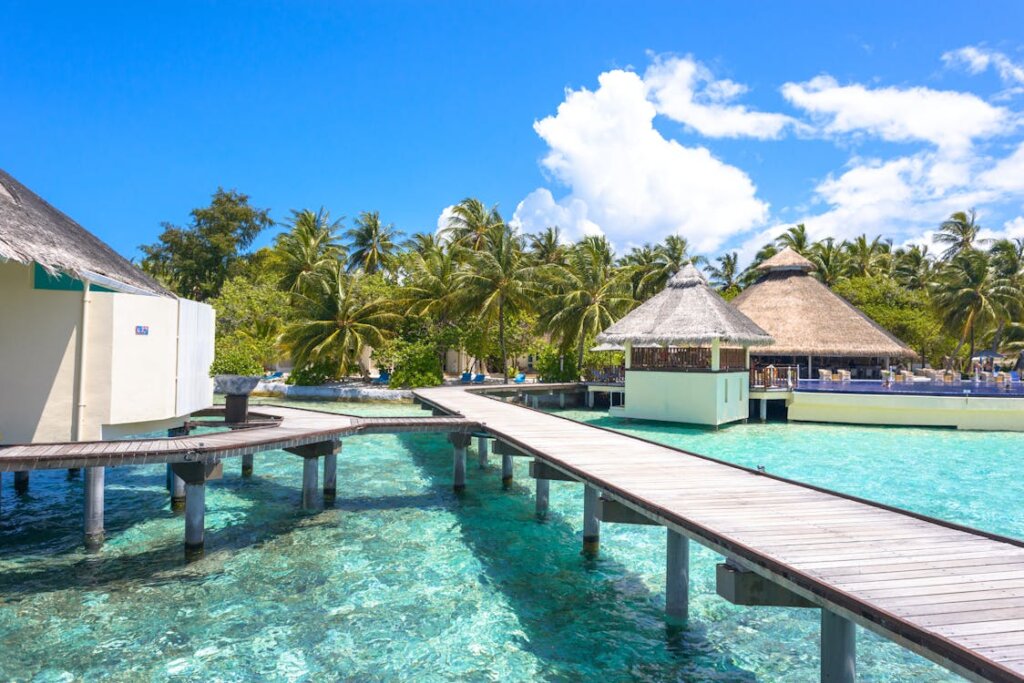

Most El Nido articles treat island hopping as one thing: hop on a boat, see the lagoons, come home by sunset. This guide focuses on a decision travellers rarely research in advance — whether to stick with a classic day tour or commit to an overnight island camping experience — specifically for visitors deciding how to spend their limited days in Bacuit Bay without wasting money or missing the quiet hours that make Palawan special.
- What a Standard El Nido Day Tour Looks Like
- What Overnight Island Camping Involves
- Day Tour vs Overnight Camping: Side by Side
- Cost Breakdown: Where Your Money Goes
- Comfort, Facilities and What to Expect at Night
- Which Option Suits Which Traveller
- How to Book and What to Pack
- A Sample Two-Day Plan That Combines Both
- Responsible Camping and Reef Protection
- Best Season for Each Option
- Frequently Asked Questions
What a Standard El Nido Day Tour Looks Like
The default El Nido experience is the joiner boat tour, sold as Tours A, B, C and D. You leave the town pier or Corong-Corong beach around 9:00 am, visit four to five stops, eat a grilled lunch on a beach, and return between 4:00 and 5:00 pm. Groups usually run 15 to 25 people per bangka (outrigger boat), and the itinerary is fixed by the tourism office to spread traffic across the bay, which is managed by the Palawan provincial tourism authorities.
Day tours are efficient. In a single outing you can snorkel over coral gardens, paddle into a hidden lagoon, and swim off a sandbar. Because you sleep in town, you also get restaurants, reliable power, hot showers, and a pharmacy nearby. The trade-off is timing: you arrive at the famous lagoons at the same hour as every other boat, so the water is busiest exactly when you are there. If you want quieter photos, read our El Nido boat tour packing guide for tips on beating the midday rush.
What Overnight Island Camping Involves
Overnight island camping flips the schedule. Instead of racing back to town, you spend the night on a remote beach or a small islet in or near Bacuit Bay, often on a private or small-group expedition. Operators set up tents or basic beach huts, cook fresh seafood over a fire, and time the island visits so you reach the marquee lagoons early morning or late afternoon — the golden windows when day-trippers have gone.
Facilities are deliberately simple. Expect composting or portable toilets, bucket showers or none at all, solar lanterns, and no cell signal. What you get in return is silence, a sky full of stars, and stops like Cadlao Island lagoon or Seven Commandos Beach with almost nobody else around. Camping is regulated to protect fragile shorelines, and responsible operators carry out all waste in line with rules set by the DENR.
Day Tour vs Overnight Camping: Side by Side
The two formats serve different travellers. This table compares the factors that matter most when you are choosing between them.
| Factor | Day Tour | Overnight Camping |
|---|---|---|
| Typical cost per person | PHP 1,400–2,500 | PHP 4,500–9,000+ |
| Crowds at lagoons | High (midday peak) | Low (early/late access) |
| Comfort & facilities | High (sleep in town) | Basic (tents, no signal) |
| Best for | First-timers, families | Adventurers, couples, photographers |
| Time commitment | 1 day (approx 7 hours) | 2 days / 1 night |
| Weather flexibility | Easy to reschedule | Harder; weather dependent |
Cost Breakdown: Where Your Money Goes
A joiner day tour is priced around PHP 1,400 to 2,500 depending on the route, and that usually covers the boat, lunch, snorkelling gear, and the shared environmental fee. You pay the one-time El Nido eco-tourism development fee separately, valid for about ten days across all tours.
Overnight camping costs more because you are paying for scarcity and logistics: a smaller group, two meals or more, camping equipment, a dedicated crew, and permits for the islet. Private overnight expeditions can climb past PHP 9,000 per person, while small-group departures sit in the PHP 4,500 to 6,500 range. If your budget is tight, a day tour plus a night in an affordable room in town almost always wins on value. Compare room options in our El Nido stay and itinerary guide.
Comfort, Facilities and What to Expect at Night
The biggest surprise for first-time campers is how quickly the environment shifts after the day boats leave. Temperatures drop pleasantly, the wind picks up, and the beach becomes yours. But there is no air-conditioning, mosquitoes appear at dusk, and you sleep on sand under canvas. Bring insect repellent and long sleeves; our mosquito and dengue prevention guide explains why this matters in Palawan.
Day tours require none of this planning. You return to a real bed, charge your devices, and can adjust plans on the fly if the sea turns rough. For travellers who value a hot shower and a cold drink at 6:00 pm, that comfort is worth the crowds. Before committing to camping, check the marine forecast on weather.com, since conditions in Bacuit Bay change fast.
Which Option Suits Which Traveller
Families with young children
Day tours are the safer, simpler choice. You control the pace, medical help is minutes away, and children can nap in a real room. Camping suits older, adventurous kids but rarely toddlers.
Couples and honeymooners
Overnight camping is unbeatable for romance — private beaches, campfire dinners, and sunrise over the karst cliffs. If you want the atmosphere without the roughing-it, a sunset cruise is a gentler middle ground; see our sunset dinner cruise guide.
Solo travellers and backpackers
Joiner day tours are social and cheap, ideal for meeting people. Small-group camping departures also work well if you want a shared adventure without paying private rates.
Photographers
Camping wins decisively. The only way to shoot Big Lagoon or Small Lagoon without crowds is to be there at first light, which day tours simply cannot offer.
How to Book and What to Pack
Book day tours a day ahead in peak season (December to May) through your hotel or an accredited operator. Overnight camping should be booked well in advance because permits and boat slots are limited, and reputable operators are few. Always confirm the operator is licensed and follows Leave-No-Trace practices.
For camping, pack a dry bag, headlamp, reef-safe sunscreen, a light jacket, a power bank, and any medication you need — there are no shops on the islands. For day tours, a smaller kit works since you sleep in town. Either way, protect the reefs by using reef-safe products, as coral bleaching remains a documented concern across the bay.
A Sample Two-Day Plan That Combines Both
You do not have to choose one format for your whole trip. A popular approach is to spend your first full day on a joiner Tour A to tick off Big Lagoon, Small Lagoon and the Secret Lagoon while your energy is high and the classic sights are non-negotiable. On day two, switch to a small-group overnight camping departure so you experience the bay after the crowds vanish. This hybrid gives you the highlights and the solitude, and it spreads the cost so the splurge feels justified rather than reckless.
If you only have three days total, do two day tours and skip camping; the logistics of an overnight trip eat into time you would rather spend snorkelling. With five days or more, camping becomes a genuinely rewarding centrepiece. For help slotting these into a realistic schedule, our itinerary planner shows how many activities comfortably fit per day.
Responsible Camping and Reef Protection
Bacuit Bay is fragile. Its coral reefs, seagrass beds and limestone cliffs support turtles, reef fish and nesting birds, and heavy tourism has already stressed several popular sites. When you camp, you are sleeping inside that ecosystem, so your footprint matters more than on a day tour. Choose operators who limit group sizes, pack out every scrap of rubbish, use established campsites rather than clearing new ground, and avoid campfires on live vegetation.
Simple habits protect the bay: never touch or stand on coral, keep sunscreen reef-safe, do not feed fish, and give turtles a wide berth. These are not just courtesies; they align with conservation guidance for the region and keep the sites open for future visitors. Snorkellers on either format should review our shore snorkelling guide for low-impact technique.
Best Season for Each Option
Day tours run almost year-round because operators can pivot routes when one side of the bay is choppy. The dry season from December to May offers the calmest seas and clearest water, while the wet season from June to November brings lower prices and thinner crowds, punctuated by afternoon squalls. Overnight camping is far more sensitive to weather; most travellers camp between December and early May, when overnight winds are gentle and rain is unlikely to flood a tent.
If you are visiting in the shoulder or wet months, keep camping plans flexible and have a backup day tour booked. For a month-by-month view of conditions, see our El Nido weather guide, which breaks down rainfall and sea state across the year so you can match your chosen format to the calendar.
Frequently Asked Questions
Is overnight island camping legal in El Nido?
Yes, when arranged through licensed operators who hold the required permits. Wild camping without permission on protected islets is discouraged and can carry fines, since much of Bacuit Bay is a managed protected area.
Can I combine a day tour and camping?
Absolutely. Many travellers do one or two day tours first to see the classic lagoons, then add a single overnight camping trip for the quiet, off-peak experience.
What happens if the weather is bad?
Day tours are easily rescheduled or refunded. Camping trips are more weather-sensitive; operators may postpone for safety, so build a buffer day into your itinerary during the wet season.
Do I need to be a strong swimmer?
For both options, basic swimming and comfort with a life vest are enough. Guides provide flotation, and most snorkelling stops are calm and shallow.
Which is better for a first visit to El Nido?
For most first-timers, a day tour is the better starting point — lower cost, more comfort, and full access to the highlight lagoons. Save camping for a return trip or if quiet and adventure are your top priorities.