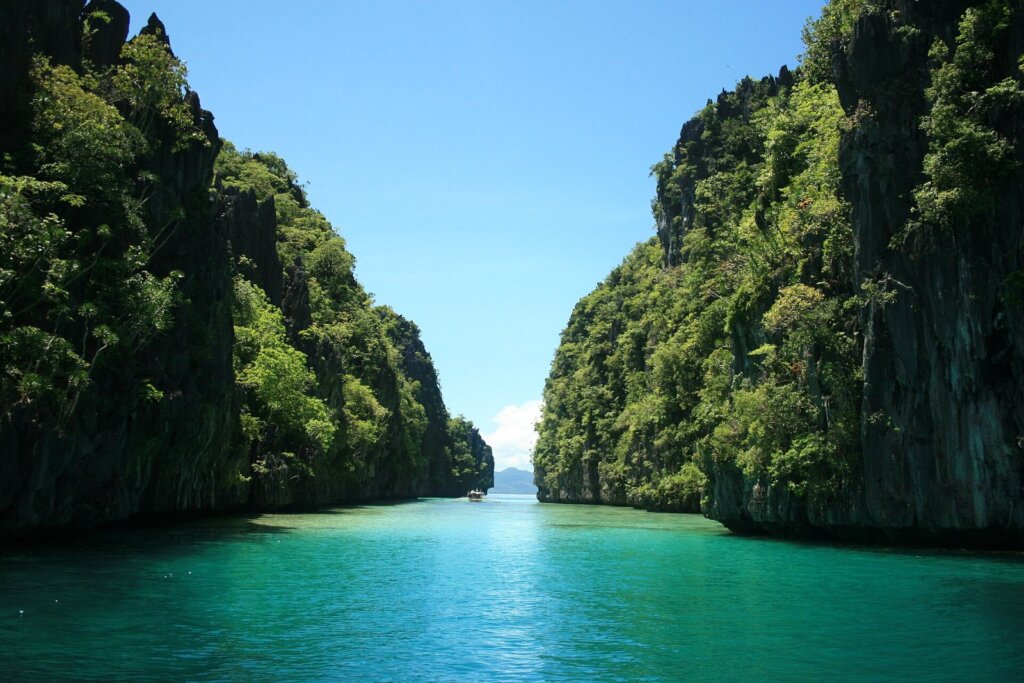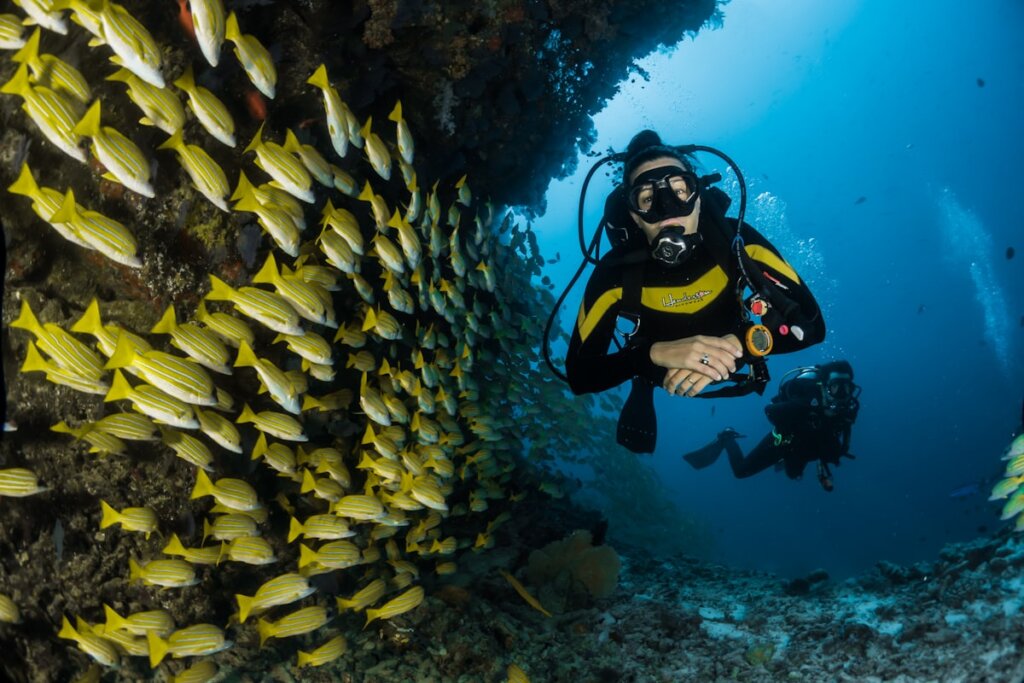

Coral gardening — the practice of cultivating and transplanting coral fragments to restore damaged reefs — is one of the most meaningful hands-on conservation activities available to visitors in El Nido. In a destination whose entire tourism economy depends on healthy coral reefs, giving something back through active reef restoration is both practically impactful and deeply rewarding. This guide covers El Nido’s coral gardening and reef restoration experiences in 2026 — who runs them, how they work, and how to participate.
Why Coral Restoration Matters in El Nido
El Nido’s reefs — among the most biodiverse in the Coral Triangle — face significant ongoing pressures: bleaching events caused by rising sea temperatures, physical damage from boat anchors and careless snorkellers, runoff from coastal development, and the cumulative impact of millions of tourist visits. While El Nido’s Marine Protected Area designations and ranger patrols help manage the most acute threats, reef recovery from past damage requires active intervention.
Coral gardening works by: collecting naturally broken coral fragments (called “corals of opportunity”), attaching them to underwater nursery structures (wire trees, ropes, or ceramic substrates) at 3–8m depth, monitoring their growth over months, and transplanting healthy grown fragments to degraded reef areas. The technique is well-established in reef restoration science and produces measurable results within 1–3 years.
Who Runs Coral Gardening in El Nido
El Nido Resorts Foundation
The most established coral restoration programme in El Nido is run by the El Nido Resorts Foundation — the conservation arm of El Nido Resorts (Miniloc and Lagen Island). The Foundation has operated underwater coral nurseries in Bacuit Bay since 2012, monitoring over 1,000 coral colonies across multiple nursery sites. Guests of El Nido Resorts can participate in coral monitoring dives and nursery maintenance activities as part of their stay’s conservation programme. Day visitors and non-guests can enquire about participation through the Foundation’s community engagement programme.
The Foundation works with endemic species including Acropora (staghorn coral), Pocillopora (cauliflower coral), and massive brain corals — species critical to reef structural integrity and biodiversity. Their data contributes to the national coral restoration database maintained by the Department of Environment and Natural Resources (DENR).
Local Dive Operators with Restoration Programmes
Several El Nido dive operators participate in or independently run coral gardening activities. These typically include:
- Coral gardening dives — certified divers (Open Water minimum) join a divemaster to visit an existing coral nursery, learn about the species being cultivated, and assist with maintenance (cleaning algae from nursery frames, checking fragment attachment, monitoring growth)
- Coral planting dives — for Advanced Open Water certified divers, transplanting nursery-grown fragments to reef restoration sites at 5–12m depth
- Snorkel participation — some operators offer surface-level reef monitoring and fragment collection activities accessible to snorkellers without dive certification
Ask your dive operator specifically about their conservation dive options — not all operators run restoration programmes, but the number is growing annually as conservation tourism becomes a stronger market segment in El Nido.
NGO and Research Institution Programmes
Occasional academic and NGO-led coral restoration projects operate in Palawan waters, particularly around the breeding and spawning seasons (often linked to full moons in specific months). These are less reliably available to casual visitors but can be accessed through longer-stay volunteer arrangements. See our El Nido volunteering guide for multi-week conservation programmes.
What Happens on a Coral Gardening Experience
Pre-Dive Briefing (30 minutes)
A marine biologist or trained divemaster introduces the science behind coral restoration — the difference between sexual and asexual propagation, the species being cultivated, how nursery systems work, and the specific goals of El Nido’s restoration programme. You’ll learn to identify the coral species in the nursery, understand what healthy versus stressed coral looks like, and know the specific tasks for the dive.
The Dive (45–60 minutes)
Descend to the nursery site (typically 3–8m depth — well within recreational diving range). Activities may include:
- Cleaning algae from nursery frames using small brushes (algae competition is the main threat to nursery coral growth)
- Checking fragment attachment points for loosening or damage
- Recording colony measurements on underwater slates (length, colour, health status)
- If scheduled: transplanting nursery-grown fragments to reef restoration zones (under divemaster supervision)
- Collecting naturally broken coral fragments (“corals of opportunity”) for new nursery additions
Post-Dive Debrief (20 minutes)
Review of the day’s data, discussion of the reef’s recovery progress, Q&A with the marine biologist. Most programmes provide participants with a certificate of participation and information on how to follow up with the programme remotely (some track coral growth online with participant access).
What It Costs & How to Book
| Programme Type | Who Can Participate | Approximate Cost | Duration |
|---|---|---|---|
| Coral nursery maintenance dive | OW certified divers | ₱2,500–₱4,000 | Half day (3 hrs) |
| Coral transplanting dive | AOW certified divers | ₱3,000–₱5,000 | Half day (3 hrs) |
| Snorkel reef monitoring | Swimmers (no certification) | ₱1,500–₱2,500 | 2–3 hours |
| El Nido Resorts Foundation (guests) | Resort guests only | Included in stay | Half day |
| Multi-day volunteer programme | Any (basic swim ability) | ₱8,000–₱20,000/week | 1–2 weeks |
Booking: Contact dive operators directly on arrival in El Nido or pre-book through your hotel. The El Nido Resorts Foundation conservation activities can be enquired about when booking your resort stay. Availability is limited — 4–8 participants maximum per session — so book as soon as you arrive in El Nido.
The Science: Does Coral Gardening Work?
Coral gardening is a well-evidenced technique — published studies from the Coral Restoration Foundation (Florida Keys), the Great Barrier Reef Marine Park Authority, and numerous Southeast Asian restoration programmes demonstrate successful recovery of degraded reef areas. The key limitations are scale (restoration cannot keep pace with global bleaching events driven by climate change) and the requirement for ongoing management after transplantation.
El Nido’s restoration sites show promising results — some monitored plots have achieved 40–70% coral cover recovery within 3–5 years. The programme is most effective in the Marine Protected Areas where anchor damage and snorkeller impact are controlled, allowing transplanted coral to establish without repeated disturbance.
How Else to Support Reef Conservation
- Pay your ₱200 Bacuit Bay environmental fee — funds ranger patrols and reef monitoring
- Use only reef-safe sunscreen (zinc oxide/titanium dioxide)
- Never touch or stand on coral during snorkelling
- Choose tour operators who enforce responsible reef interaction rules
- Donate directly to El Nido Resorts Foundation’s reef restoration fund
For the full picture of conservation in El Nido, see our responsible travel guide and our reef conservation guide.
External resources: Coral Restoration Foundation — coral gardening science | Coral Triangle Initiative — Palawan conservation