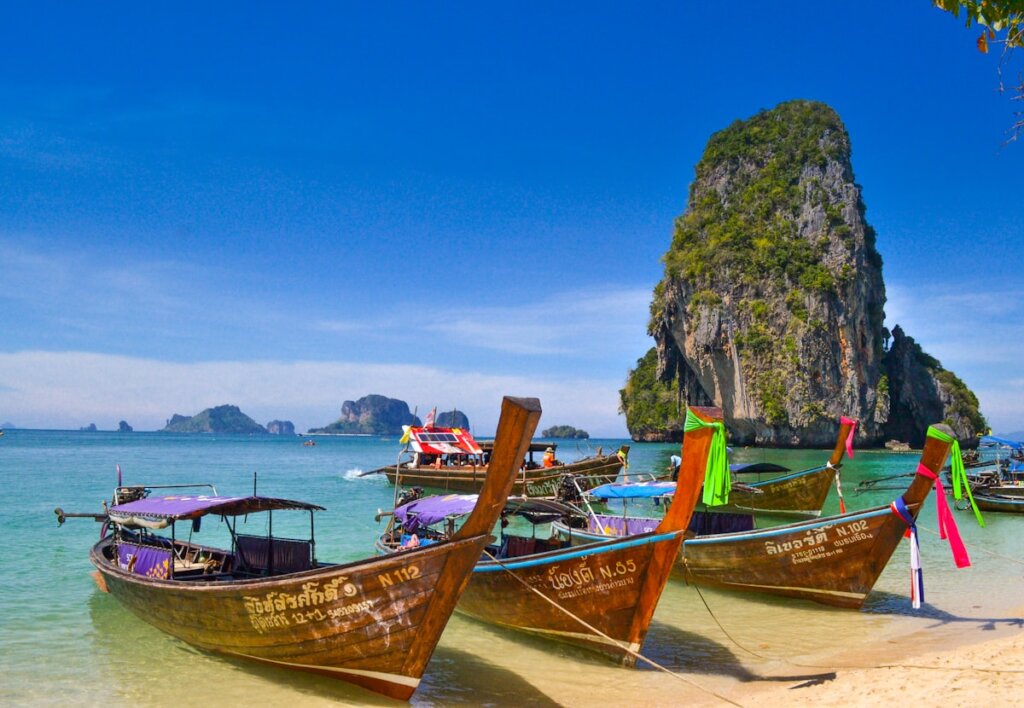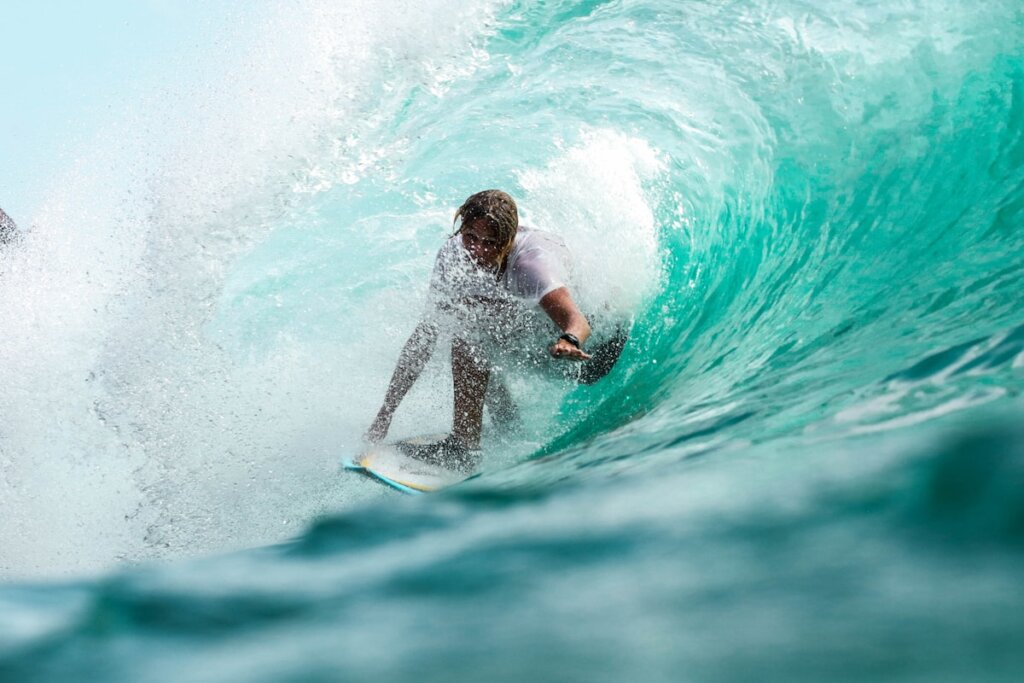

Can you enjoy El Nido if you can’t swim? Absolutely. Many visitors to Bacuit Bay are weak swimmers or non-swimmers, and with the right choices they still kayak through lagoons, float over coral reefs and lounge on some of the Philippines’ most beautiful beaches. The trick is knowing which experiences are easy, which ones involve deep water or tricky entries, and how to ask for the support you need.
This guide focuses on island hopping and beach time specifically for non-swimmers and nervous swimmers — including older travelers, families with young children and anyone who simply isn’t comfortable in deep water. You’ll learn which tours and spots are the most accessible, how life jackets and flotation work on El Nido boats, and the safety habits that make a real difference.
For a broad overview of where to get in the water, see our El Nido swimming spots guide. This article looks at the same bay through a non-swimmer’s eyes.
Why El Nido Works for Non-Swimmers
El Nido’s classic tours are designed for a broad mix of travelers, and much of the experience happens on the boat or on the beach rather than in deep water. The sheltered lagoons of Bacuit Bay are often calm, crew members are used to helping guests of all abilities, and life jackets are standard safety equipment on registered tour boats.
Saltwater also helps. Seawater is more buoyant than fresh water, so with a well-fitted life jacket you’ll float easily at the surface, face down, while you look at fish and coral through a mask. Many non-swimmers find snorkeling this way surprisingly relaxing once they trust the vest.
That said, drowning is a real risk anywhere there’s water. The World Health Organization notes that drowning is a leading cause of unintentional injury death worldwide. Being prepared isn’t about fear — it’s what lets you relax and enjoy the day.
Life Jackets and Flotation: What to Expect
On registered tour boats, life jackets should be available for every passenger. Here’s how to make the most of them:
- Ask for a well-fitting vest when you board, and try it on before the first stop. It should be snug, with straps fastened, and shouldn’t ride up over your chin when you lift your arms.
- Request child-size vests in advance if you’re traveling with kids; supplies can be limited.
- Wear the vest in the water at every stop, not just during crossings.
- Consider bringing your own if you’re very nervous or have an unusual size — a vest you know and trust makes a big difference.
- Tell the crew you can’t swim. Guides will usually keep an eye on you, offer a hand at entries and exits, and sometimes tow non-swimmers with a ring buoy or rope.
The Philippine Coast Guard oversees maritime safety for passenger vessels. If a boat seems to lack enough life jackets, don’t board.
Most Accessible Spots and Tours for Non-Swimmers
Accessibility depends on tide, weather and your operator’s route, but in general:
| Spot / activity | Usual tour | Non-swimmer friendliness | Notes |
|---|---|---|---|
| Big Lagoon (by kayak or boat) | Tour A | High | Kayaks let you explore without swimming; wear your vest in the kayak |
| Small Lagoon | Tour A | Moderate–High | Usually entered by kayak; swimming entries involve deeper water |
| Seven Commandos Beach | Tour A | High | Gently sloping beach, good for wading and relaxing |
| Helicopter Island beach | Tour C | Moderate | Beach time is easy; snorkeling spots can be deeper |
| Secret Beach | Tour C | Low | Access typically involves swimming or squeezing through a rock opening; conditions vary with tide and swell |
| Hidden Beach | Tour C | Low–Moderate | Often reached by wading or swimming between rocks |
| Nacpan and Las Cabanas beaches | Land day | High (in calm conditions) | Stay in the shallows; watch for waves and currents on windy days |
Tour A is usually the easiest all-round choice for non-swimmers, while Tour C tends to include the most challenging entries. Compare routes in our Tour A vs Tour B and Tour C vs Tour D guides, and read more about Big Lagoon vs Small Lagoon.
Snorkeling Without Swimming
Snorkeling is the activity non-swimmers worry about most — and often end up loving. A step-by-step approach helps:
- Practice with your mask in shallow water first. Stand in waist-deep water, put your face in, and breathe slowly through the snorkel.
- Wear your life jacket. It keeps you at the surface without effort. Relax your body and let it float.
- Keep your face down and breathe slowly. Lifting your head often causes water to enter the snorkel.
- Hold onto a guide, rope or ring buoy if you’d like extra reassurance.
- Stay close to the boat and signal the crew clearly if you want to get out.
- Never stand on coral. If you need to rest, float on your back or return to the boat.
Ear discomfort is common for beginners who duck under the surface; our ear pressure and equalizing guide explains why. Want to see marine life without going deep? Try our giant clams and small sea creatures guide.
Kayaks, Paddleboards and Stay-Dry Alternatives
If you’d rather stay out of the water entirely, El Nido still has plenty to offer:
- Kayaking through the lagoons is one of the region’s signature experiences, and double kayaks let a stronger paddler take the lead. Always wear a vest. See our Bacuit Bay kayak routes.
- Stand-up paddleboarding is best tried in very calm, shallow water, with a leash and vest.
- Beach time and viewpoints — many tour stops are as much about the scenery as the water.
- Land adventures such as ziplining at Las Cabanas, waterfalls and scenic scooter rides make great non-water days.
Private vs Group Tours for Non-Swimmers
Both can work, but they suit different comfort levels:
- Group tours are cheaper and crews are experienced with mixed-ability guests, but the schedule is fixed and guides divide their attention among many people.
- Private tours let you choose calmer stops, spend longer in shallow areas, skip challenging entries and get more one-on-one help. For families with small children or very nervous swimmers, the extra cost is often worth it.
Weigh the trade-offs in our group vs private tour guide.
Safety Habits That Matter Most
- Be honest with the crew about your swimming ability from the start.
- Don’t jump in from the boat unless you’re wearing a vest and a crew member is ready to help. Use the ladder instead.
- Wear water shoes for rocky entries and sharp coral fragments on some beaches.
- Watch the tide and swell. A spot that’s knee-deep in the morning can be chest-deep later, and waves can make rock entries dangerous.
- Skip alcohol before water activities.
- Supervise children constantly, even in shallow water and even when they’re wearing vests.
- Avoid choppy days if you’re anxious — calm water is far more comfortable. Our bad-weather tour guide explains how operators handle rough conditions.
The Philippine Red Cross promotes water safety and runs swimming and lifesaving programs in the country — a useful resource if you’d like to build confidence before your trip.
What to Pack
- Your own well-fitting life jacket or swim vest (optional but reassuring)
- Mask and snorkel that fit your face, to avoid leaks
- Water shoes with firm soles
- Rash guard and reef-safe sunscreen
- Dry bag for your phone and valuables
- Seasickness tablets if you’re prone to motion sickness
See our complete boat tour packing guide for more.
A sample non-swimmer itinerary
- Day 1: Arrive and relax on a calm beach. Practice with your mask and vest in shallow water near your hotel if possible.
- Day 2: Tour A (or a private version of it) — kayak through the lagoons, wade at Seven Commandos and try vest-assisted snorkeling near the boat.
- Day 3: Land day: Nacpan Beach on a calm morning, or the Las Cabanas zipline and sunset.
- Day 4: If you felt confident on Day 2, try another tour and ask the guide which stops to skip. If not, take a kayak or paddleboard session in calm water instead.
Build up gradually. Many travelers who arrive nervous end the trip snorkeling happily in their vest — but there’s no pressure. Enjoying the scenery from a kayak or the beach is a perfectly good way to experience El Nido. If you’d like to go further on a future trip, consider taking a few adult swimming lessons at home beforehand — even basic floating and breathing skills make lagoon days far more relaxing and give you more freedom to choose tours.
Frequently Asked Questions
Can non-swimmers go island hopping in El Nido?
Yes. Many non-swimmers join El Nido tours. Life jackets are standard on registered tour boats, many stops involve beaches or kayaks, and crews are used to helping guests of all abilities.
Which El Nido tour is best for non-swimmers?
Tour A is usually the most accessible, with lagoons explored by kayak and gentle beaches like Seven Commandos. Tour C includes spots such as Secret Beach that can require swimming through rock openings.
Can I snorkel if I can’t swim?
Yes, with a properly fitted life jacket. The vest keeps you floating at the surface while you breathe through the snorkel. Practice in shallow water first and stay close to the boat or a guide.
Are there life jackets for children on El Nido tours?
Many operators carry child-size vests, but supplies vary. Request them when booking, or bring your own properly sized vest for young children.
Should non-swimmers book a private tour?
A private tour isn’t required, but it gives you more control over stops, more time in calm shallow areas and more personal attention from the crew — helpful for nervous swimmers and families.
Is Secret Lagoon or Secret Beach safe for non-swimmers?
Conditions vary with tide and swell. Some entries involve squeezing through rocks or short swims. Ask your guide on the day, wear your vest and skip any entry that feels unsafe.