TL;DR: French travelers should time El Nido for the Christmas or February winter holidays (December–March is the dry season), fly Paris to Manila with one stop, expect English rather than French on the ground, carry pesos and a plug adaptor, and plan at least 10 nights because the journey takes most of a day each way.
El Nido has become a favourite long-haul beach destination for travelers from France, yet most practical guides are written for English-speaking visitors or for a generic “European” reader. This guide focuses on El Nido specifically for French travelers — couples, families following the French school calendar and long-stay visitors on a sabbatical or année de césure. Our angle is a checklist of nine France-specific tips, from the vacances scolaires calendar and plug types to tipping habits and language, so that nothing surprises you on arrival.
Quick Reference for French Visitors
| Topic | France | El Nido / Philippines |
|---|---|---|
| Time difference | CET (UTC+1) / CEST (UTC+2) | UTC+8 — 7 hours ahead in winter, 6 in summer |
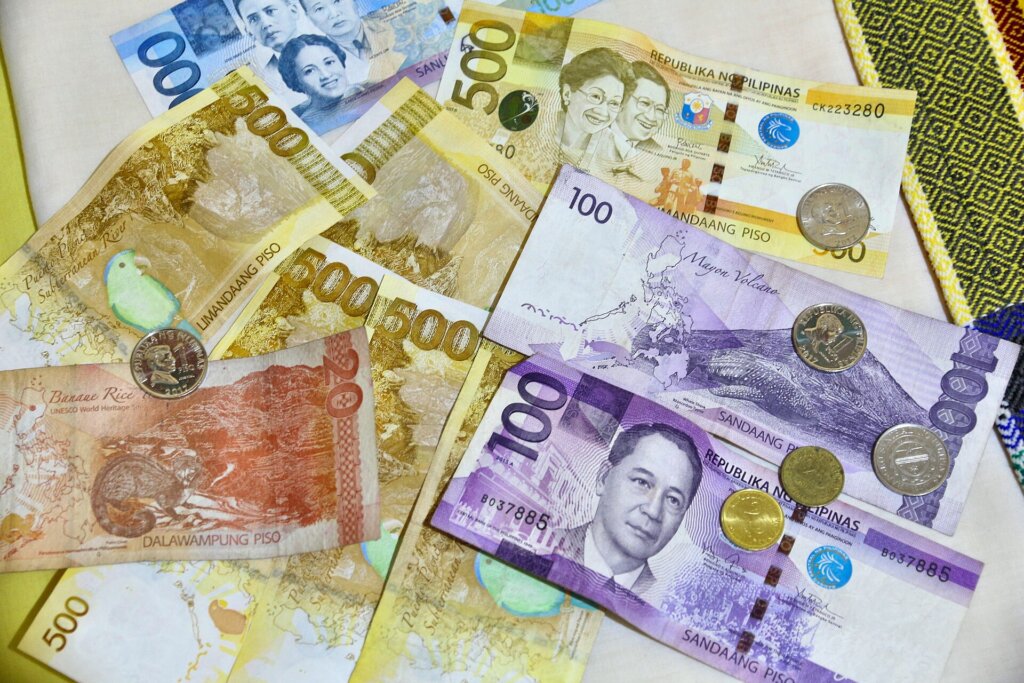
| Currency | Euro | Philippine peso (PHP); cash-heavy economy |
| Plugs | Type C / E, 230V | Mostly Type A / B / C sockets, 220V — bring an adaptor |
| Main language | French | Filipino and English; French rarely spoken |
| Tipping | Service included, small extras | Modest tips appreciated for guides, boat crews and drivers |
| Best season | — | December to May, driest December–March |
Tips 1–3: Timing Your Trip Around French Holidays
1. Use the Christmas or winter holidays, not the Toussaint break
The vacances de la Toussaint (late October to early November) fall in El Nido’s wetter southwest-monsoon tail, when some island tours are cancelled. The vacances de Noël and the February vacances d’hiver line up with the dry Amihan season and are far more reliable. Our El Nido in February guide covers conditions in detail.
2. Check your school zone for February
French winter holidays are staggered by zone (A, B and C), so families in different regions travel on different weeks. If your zone’s dates overlap with Chinese New Year, expect fuller tours and higher prices in El Nido; if not, you may find a quieter window.
3. Plan at least 10 nights
With a connection in a hub, the trip from Paris to El Nido takes roughly 20–30 hours door to door. Ten nights is the minimum to justify the journey; two weeks is better, especially with children adjusting to a 7-hour time difference.
Tips 4–5: Flights and Getting to El Nido
4. Fly Paris to Manila with one stop
There is currently no nonstop flight between France and the Philippines on a regular schedule, so most travelers connect via the Gulf (Dubai, Doha or Abu Dhabi) or an Asian hub (Singapore, Hong Kong, Bangkok or Taipei). Choose a routing that lands in Manila by early afternoon so you can continue to Palawan the same day. Our Europe to El Nido route comparison and Hong Kong to El Nido layover guide show the most practical connections.
5. Choose El Nido Airport or Puerto Princesa
From Manila, small planes fly direct to El Nido Airport in Lio — faster but pricier, with strict baggage limits. The budget option is a flight to Puerto Princesa followed by a 5–6 hour van. Compare carriers in our AirSwift vs Skyjet vs Cebu Pacific guide. If you land late in Palawan, it can be smarter to overnight in Puerto Princesa.
Tips 6–7: Paperwork, Money and Plugs
6. Check entry rules and complete eTravel
French passport holders can usually enter the Philippines visa-free for short tourist stays, but rules change, so consult the French foreign ministry’s Conseils aux voyageurs for the Philippines before you go. Every arrival must also complete the online eTravel form; our step-by-step eTravel guide shows each screen. Make sure your passport is valid for at least six months beyond arrival and that you hold an onward or return ticket.
7. Bring euros to exchange, but rely on pesos
Card payments are accepted at larger hotels and some restaurants, but tricycles, vans, small eateries and island-tour operators mostly expect cash. Euros can be exchanged at Manila airport or in town, though rates vary; ATMs in El Nido work but can run low in peak weeks and charge withdrawal fees. Our currency exchange guide compares the options. Pack a universal adaptor, since French Type E plugs with the earth pin do not fit most Philippine sockets.
Bonus: Mobile Data and Staying Connected
European roaming packages rarely include the Philippines, and roaming charges from French operators can be steep. The simplest fix is a local SIM or an eSIM bought before departure or at Manila airport. Coverage in El Nido town is generally fine, though signal weakens on remote beaches and inside lagoons. Download offline maps and your booking confirmations before boat days, and use messaging apps to coordinate van pickups and tour meeting points — operators often communicate through them rather than by phone call.
Tips 8–9: Language, Culture and Etiquette
8. English works everywhere; French rarely does
English is an official language in the Philippines and is widely spoken by hotel staff, guides and drivers. French-speaking guides are uncommon, so a little English goes a long way — especially for safety briefings on boats. Filipinos appreciate a friendly “salamat” (thank you). Menus are in English, and dishes such as adobo, sinigang and kinilaw are worth trying. If you enjoy French seafood, El Nido is a treat: grilled fish, squid and prawns are sold fresh along the beachfront in the evening, often priced by weight, so ask for the price before it goes on the grill. Bakeries in town also sell pandesal, the soft Filipino breakfast roll — not a baguette, but a pleasant substitute with morning coffee before an island tour.
9. Adapt your tipping and dining habits
Unlike France, service is not always included. A modest tip for island-tour crews, guides and drivers is customary and appreciated; restaurants sometimes add a service charge, so check the bill. Our tipping etiquette guide gives typical amounts. Dinner is served earlier than in France — many restaurants are busiest from 6:30 to 8:30 PM — and El Nido nights are relaxed rather than late. Wine is available but imported and relatively expensive, so try local rum, calamansi drinks or fresh fruit shakes instead.
Bonus: Health, Sun and Sea Safety
No special vaccinations are usually required for a short beach trip from France, but check the recommendations of your doctor or a travel clinic a few weeks before departure. The tropical sun is far stronger than on the Côte d’Azur: use reef-safe sun cream, a rash guard for snorkelling and a hat on boat days. Drink bottled or filtered water, and carry basic medication for stomach upsets and motion sickness, since boat transfers can be choppy on windy January days. Always wear the life jacket provided on tours and follow the crew’s instructions in lagoons, where currents and boat traffic can be stronger than they look.
Sample 12-Night Itinerary for French Travelers
| Nights | Base | Highlights |
|---|---|---|
| 1 | Manila or Puerto Princesa (optional) | Rest after the long-haul flight if connections are tight |
| 2–6 | El Nido town / Corong-Corong | Island Tours A and C, sunset bars, Taraw Cliff viewpoint |
| 7–9 | Nacpan or Lio | Long quiet beaches, cycling, a private boat day |
| 10–12 | El Nido town | Kayaking, massages, buffer day for weather before flying home |
Not sure which boat tour to start with? Read Tour A vs Tour B, and budget for the environmental fee, which is paid once per visit. Overall daily costs are covered in our El Nido budget guide. Check the weather outlook with PAGASA in the week before departure.
A final practical note: travel insurance that covers water activities, small-plane flights and missed connections is strongly recommended, and many French bank cards include limited cover only when the trip is paid with that card — check the conditions before you rely on it. Keep photocopies of your passport and insurance details in your email, and register your trip on the French government’s Ariane service if you want consular alerts while abroad.
Key Takeaways
- Travel during the Christmas or February holidays; avoid the wetter Toussaint period.
- Expect one stop between Paris and Manila, then a domestic connection to Palawan.
- Plan at least 10 nights to make the 20–30 hour journey worthwhile.
- Check French government advice, complete eTravel, and bring a plug adaptor.
- Carry pesos for tricycles, vans and tours; cards are not universal.
- English is widely spoken; tip boat crews, guides and drivers modestly.
Frequently Asked Questions
Do French citizens need a visa to visit El Nido?
French passport holders can usually enter the Philippines visa-free for short tourist stays, but check the French foreign ministry advice and complete eTravel before travel.
What is the best French school holiday for El Nido?
The Christmas holidays and February winter holidays fall in El Nido’s dry season. The Toussaint break in late October is wetter and less reliable for boat tours.
Is there a direct flight from Paris to the Philippines?
There is no regular nonstop flight; most travelers connect via the Gulf or an Asian hub to Manila, then fly to El Nido or Puerto Princesa.
Is French spoken in El Nido?
French is rarely spoken. English is widely used by hotel staff, guides and drivers, so basic English is enough to get around.
What plug adaptor do I need for El Nido?
Most sockets take Type A, B or C plugs at 220V. French Type E plugs with an earth pin usually do not fit, so bring a universal adaptor.
About the Author
This guide was compiled by the El Nido Hotels Ranking editorial team, with input from local operators and ongoing on-the-ground updates.