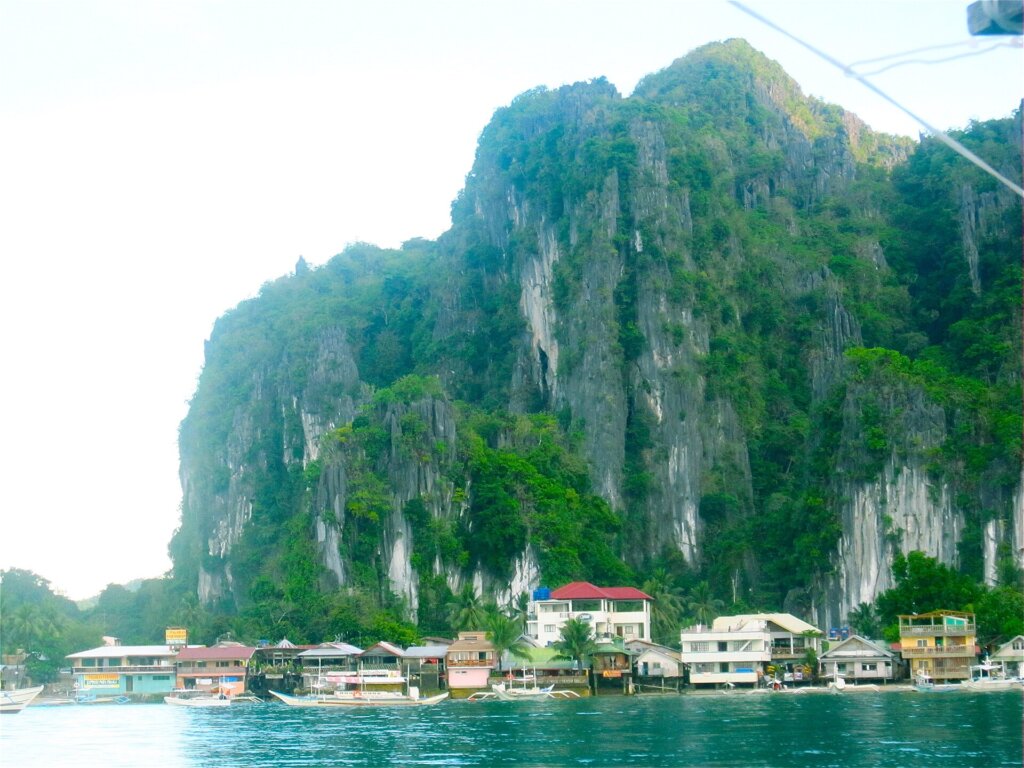
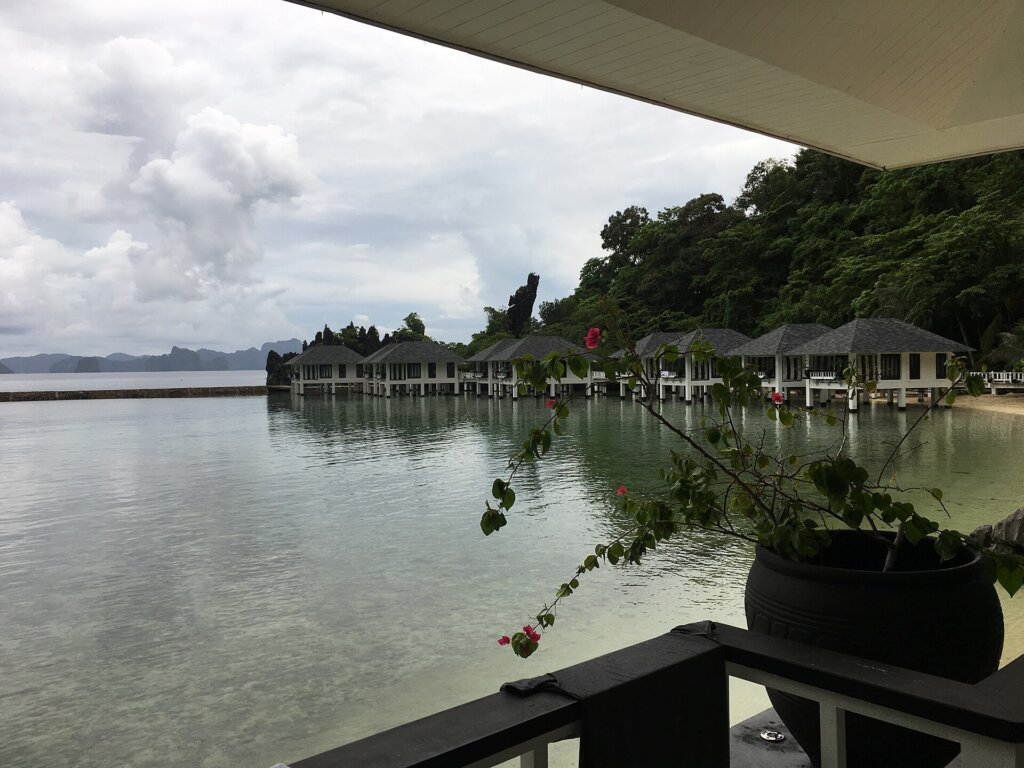
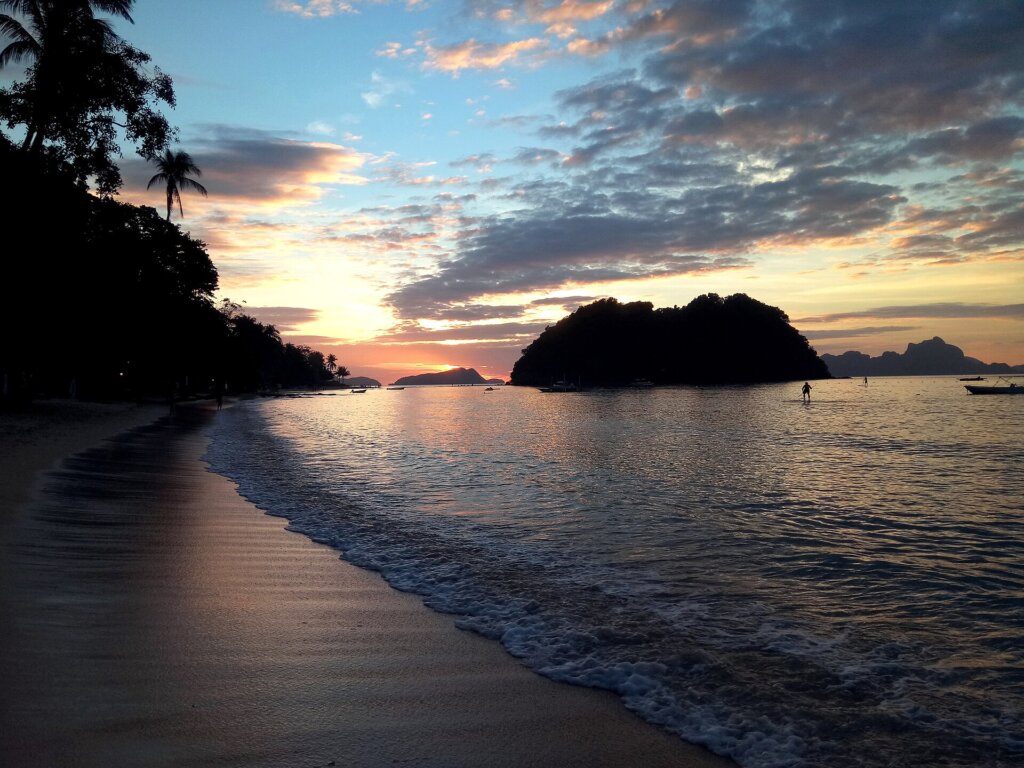
TL;DR: For crisp blue-water lagoon shots, shoot El Nido from late January to May; for dramatic storm skies and moody limestone, June to October; November and December are the best all-round compromise for photographers who want both.
Most “best time to visit” articles talk about rain and crowds. Photographers need something different: what the light does, how clear the water looks from a drone or a boat bow, and how often a sunset actually turns red instead of fading to grey. This guide focuses on light, sky and water conditions month by month, specifically for travel photographers, content creators and hobbyists who are planning an El Nido trip around their camera rather than around a beach towel.
The unique angle here is simple: we rank each month on four photography variables (light quality, sky drama, water clarity and crowd-free frames) rather than on general comfort. A month that is “bad” for a typical holidaymaker can be the best month of the year for a landscape shooter. If you only care about sunrise and sunset times, see our El Nido sunrise and sunset times by month; this article covers everything else that affects the frame.
- How El Nido’s Seasons Shape the Light
- Month-by-Month Photography Comparison Table
- Dry Season (January to May): Clear Water and Hard Light
- Wet Season (June to October): Drama, Rainbows and Empty Frames
- Transition Months (November and December): The All-Rounder Window
- Shot List and Gear Settings by Season
- Frequently Asked Questions
- Key Takeaways
- Final Thoughts
How El Nido’s Seasons Shape the Light
El Nido sits on the northern tip of mainland Palawan, facing Bacuit Bay to the west. Two monsoon patterns drive its photographic year. The northeast monsoon (Amihan) usually brings drier, cooler air from roughly December to March, followed by the hottest, calmest and clearest months in April and May. The southwest monsoon (Habagat) typically arrives in June and lasts into October, bringing rain bands, towering cumulus and choppier seas on the west-facing bay. November is the transition month, when the weather can swing either way within a single week. For official seasonal outlooks, check PAGASA, the Philippine weather bureau, before you fly.
Because Bacuit Bay faces west, sunsets fall over open water and the islands of Cadlao, Matinloc and the Miniloc cluster. That is a huge advantage: almost every evening gives you a silhouette composition. The question is whether the sky has enough cloud to catch colour, and whether there is enough haze to soften or ruin the horizon. Dry-season afternoons can be hazy from heat and distant smoke, while wet-season evenings often deliver fiery skies after a storm clears.
Water clarity follows the seasons too. Calm, sunny days from March to May give the classic turquoise lagoon look, with visible coral and sand patterns from above. Runoff after heavy rain in the wet season can cloud the shallows near river mouths and town. Our snorkeling visibility by month guide goes deeper on underwater conditions if you shoot with a housing.
Month-by-Month Photography Comparison Table
Ratings are on a 1–5 scale, based on typical patterns rather than guarantees. Weather in any given year can differ, so treat this as a planning starting point.
| Month | Light quality | Sky drama | Water clarity | Crowd-free frames | Best subject |
|---|---|---|---|---|---|
| January | 4 | 3 | 4 | 2 | Lagoons, island hopping |
| February | 4 | 3 | 4 | 3 | Aerials, beaches |
| March | 5 | 2 | 5 | 3 | Turquoise lagoons |
| April | 4 | 2 | 5 | 1 | Drone shots, reefs |
| May | 4 | 3 | 5 | 2 | Reefs, early storms |
| June | 3 | 4 | 3 | 4 | Storm skies |
| July | 3 | 5 | 2 | 5 | Moody limestone |
| August | 3 | 5 | 2 | 5 | Rain curtains, rainbows |
| September | 3 | 4 | 3 | 5 | Empty beaches |
| October | 3 | 4 | 3 | 4 | Sunsets after storms |
| November | 4 | 4 | 4 | 4 | All-round |
| December | 4 | 3 | 4 | 2 | Town lights, sunsets |
Dry Season (January to May): Clear Water and Hard Light
January and February are the sweet spot for many photographers. The air is a little cooler, humidity is lower, and mornings are often crisp. Light softens quickly after sunrise, giving you a usable window until roughly 9am before contrast becomes harsh. Sunsets are pleasant but often lack the heavy cloud that produces deep reds. Crowds build in January, especially in the first week after New Year, so plan Big Lagoon shots for the first boats of the day.
March is arguably the best month for the postcard look: calm seas, high sun and very clear shallows. Midday is brutal for portraits, but it is excellent for top-down aerials of sandbars and reef, because the high sun reduces shadows on the seabed. Use a circular polariser on boat shots to cut glare and deepen the turquoise.
April and May are the hottest months and the busiest around Holy Week and Philippine summer school holidays. Water clarity is often superb, but heat haze can flatten distant islands in the afternoon. Late May sometimes brings the first afternoon thunderstorms, which can produce spectacular light before the wet season settles in. If you are flying a drone, remember that heat affects battery performance; keep spares in the shade, not in a dry bag on a sunny deck. Rules for flying in the area are covered in our El Nido drone photography rules guide, and national requirements are set by the Civil Aviation Authority of the Philippines.
Wet Season (June to October): Drama, Rainbows and Empty Frames
The wet season scares off many visitors, but it rarely means non-stop rain. A typical pattern is a mix of sunny spells and passing squalls, with heavier multi-day systems from time to time. For photographers this produces exactly what the dry season lacks: texture in the sky. Limestone karsts look darker and more brooding against grey cloud, rain curtains move across the bay, and rainbows are common in late afternoon when the sun breaks through behind you.
June is a good shoulder month, with fewer people and plenty of usable days. July and August are the wettest and most unpredictable; island-hopping tours can be cancelled when the coast guard restricts sailing, so build flexibility into your schedule. The upside is that the town beaches, Las Cabanas and Nacpan can be almost empty, which makes long-exposure and minimalist compositions much easier. September and October often bring some of the most dramatic sunsets of the year, when a clearing storm leaves broken cloud on the horizon.
Protect your gear. Carry a rain cover, a microfibre cloth for salt spray, and silica gel packs in your camera bag. Humidity can fog lenses when you move from an air-conditioned room into the heat, so take the bag out 20 minutes before you start shooting.
Transition Months (November and December): The All-Rounder Window
November is the month we recommend most often to photographers who want variety. The Habagat is fading, rain becomes less frequent, and the sea starts to calm, yet there is often enough cloud to keep sunsets interesting. Prices and crowds are still moderate before the holiday peak. December brings festive lights in town, which makes for colourful street and night photography, but also brings the year’s first big crowds from mid-month onward. Sunsets come earliest in the year around December, so plan sunset cruises and Las Cabanas visits accordingly.
Both months can still see the occasional tropical depression. Keep at least one buffer day if you have a must-get shot, such as the Big Lagoon at first light or an aerial over the Seven Commandos sandbar.
Shot List and Gear Settings by Season
Use this practical checklist to match subjects to conditions:
- Turquoise lagoons (Feb–May): circular polariser, shoot with the sun high, underexpose slightly to protect the highlights in white sand.
- Silhouette sunsets (all year, best Sep–Nov): meter on the sky, bracket three exposures, and include an outrigger boat for scale.
- Storm skies (Jun–Oct): use a graduated ND filter or exposure blending; shoot from sheltered beaches when the sea is rough.
- Night and astro (Jan–Apr, around new moon): head north toward darker beaches such as Nacpan; light pollution in town is significant. Pair this with our notes on bioluminescent plankton if you want glowing water.
- Time-lapse (Nov–Mar): moving cloud over the karsts works beautifully; scout locations using our El Nido time-lapse photography spots.
- People and culture (any month): always ask first; read our etiquette guide for photographing locals.
Sun position matters. Websites such as timeanddate.com list sunrise and sunset times for Palawan, which you can adjust slightly for El Nido’s more northerly position.
Frequently Asked Questions
What is the best month for photography in El Nido?
March is the best single month for clear turquoise water and calm seas, while November is the best all-round month for photographers who want a mix of clear days, interesting clouds and moderate crowds.
Is the rainy season bad for photography in El Nido?
No. June to October brings more cancelled boat tours, but it also produces dramatic storm skies, rainbows and empty beaches. Plan buffer days and protect your gear from rain and salt spray.
When are El Nido sunsets most colourful?
Sunsets are often most colourful from September to November, when clearing storms leave broken cloud over Bacuit Bay. Dry-season sunsets are reliable but frequently paler because of haze.
Can I fly a drone in El Nido?
Recreational drone flying is generally possible but subject to national CAAP rules and local protected-area regulations. Some lagoons and resorts restrict drones, so check current rules and ask permission before flying.
What lens is most useful in El Nido?
A wide-angle zoom of roughly 16–35mm (full-frame equivalent) covers lagoons and karst landscapes, while a 70–200mm helps compress distant islands at sunset. A polariser is the most useful filter.
Key Takeaways
- March to May gives the clearest water for lagoon and aerial shots.
- June to October offers dramatic skies and empty frames, at the cost of tour cancellations.
- November is the best all-round compromise month for photographers.
- Bacuit Bay faces west, so sunset silhouettes over islands are possible all year.
- Pack a polariser, rain cover and spare batteries, and keep a buffer day for must-have shots.
- Check drone rules with CAAP and local authorities before flying.
Final Thoughts
There is no single perfect month to photograph El Nido; there is only the right month for the pictures you want. Choose the dry season for postcard clarity, the wet season for atmosphere, and the transition months for a little of both. If you are still deciding where to base yourself, our sunrise and sunset photography guide pairs well with this planner.
About the Author
This guide was compiled by the El Nido Hotels Ranking editorial team, with input from local operators and ongoing on-the-ground updates.