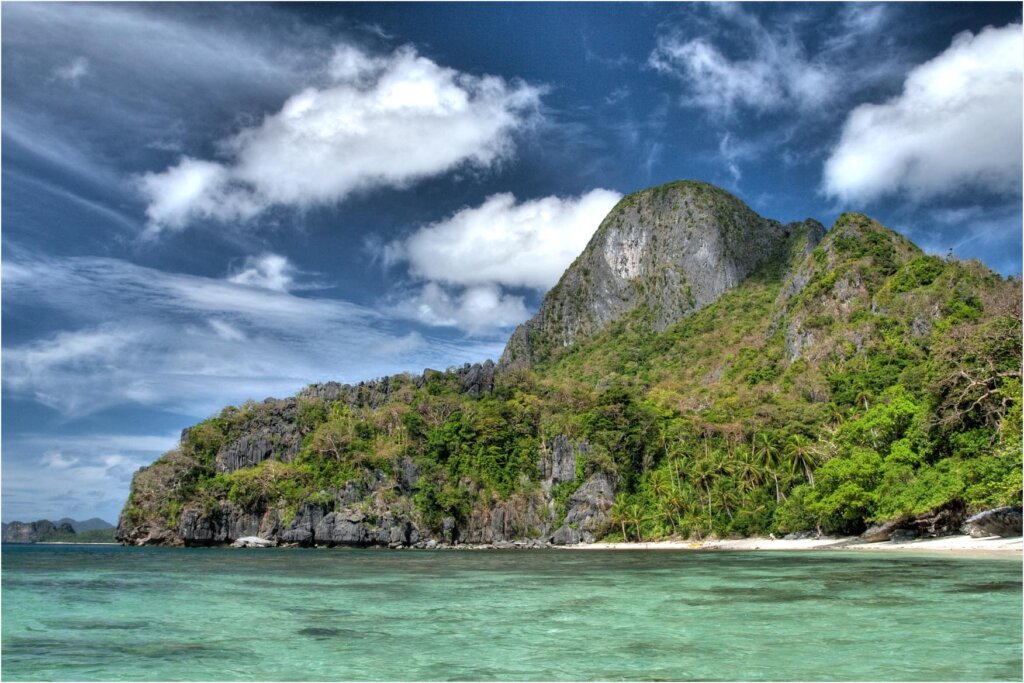

Island hopping in El Nido is spectacular — and surprisingly tiring. Seven hours on a bangka, sun reflecting off the water, repeated swims, kayak paddling and a bumpy ride home leave most people sunburnt, salty and sore. Yet many itineraries schedule tour after tour with no gaps. This guide focuses on rest days specifically for travellers taking a break between island-hopping tours, whether you are recovering from a big boat day, sitting out a rough-weather day or simply want to recharge.
The unique angle: rather than listing everything to do in El Nido, we compare only low-effort options side by side — by physical effort, rough cost level, time needed and weather-proofing — so you can pick the right recovery day for your energy level.
Why You Need a Rest Day Between Tours
A rest day is not wasted time. Several common problems on El Nido trips are directly linked to back-to-back tours:
- Sunburn and heat exhaustion. Reflection off the water intensifies UV exposure. The CDC travel health guidance for the Philippines reminds visitors to take sun and heat precautions seriously.
- Seasickness that builds up. Some travellers feel fine on day one but struggle on the second consecutive boat day. Our seasickness guide has prevention tips.
- Minor cuts and stings. Scrapes from rocks or coral heal better when you stay out of the sea for a day. Read our jellyfish sting safety guide if you were stung.
- Tour fatigue. After a few lagoons, the wonder can fade. A break makes the next tour feel fresh.
A rest day also gives you a weather buffer. If a tour is cancelled — see our guide to cancelled boat tours — you can swap days without losing anything.
How often should you rest?
A simple rule works for most travellers: never schedule more than two full boat days in a row, and take at least one land day for every two or three tours. Travellers who are older, travelling with young children, or prone to motion sickness may prefer a strict one-on, one-off pattern. Remote workers can use rest days as their “office days”, scheduling calls and focused work while the tour boats are out. If you only have four or five days in El Nido, even a half-day rest — a lazy morning followed by a sunset outing — makes a noticeable difference to how much you enjoy the next tour.
Rest-Day Options Compared
The table below compares the most popular low-effort options. Cost levels are relative (₱ = budget, ₱₱ = mid-range, ₱₱₱ = higher) because prices vary by venue and season.
| Option | Physical effort | Cost level | Time needed | Works in rain? |
|---|---|---|---|---|
| Beach lounging at Las Cabanas | Very low | ₱ | 2–4 hours | No |
| Nacpan beach day | Low (transfer only) | ₱–₱₱ | Half to full day | No |
| Massage or spa | None | ₱–₱₱₱ | 1–3 hours | Yes |
| Café hopping and reading | Very low | ₱ | Flexible | Yes |
| Cooking class | Low | ₱₱ | 3–4 hours | Yes |
| Sunset viewing in Corong-Corong | Very low | ₱ | 1–2 hours | Partly |
| Short town walk and market | Low | Free | 1–2 hours | Partly |
| Resort pool day | Very low | ₱₱–₱₱₱ | Half day | No |
Beach-Based Rest Days
Las Cabanas: the easy sunset beach
Las Cabanas is a short tricycle ride south of town and is one of the easiest beaches to reach. It is known for sunsets, beach bars and calm, shallow water for a gentle float. Arrive mid-afternoon, find a shaded spot and stay until sunset. Our Las Cabanas beach guide covers getting there and where to sit.
Nacpan: long, wide and uncrowded
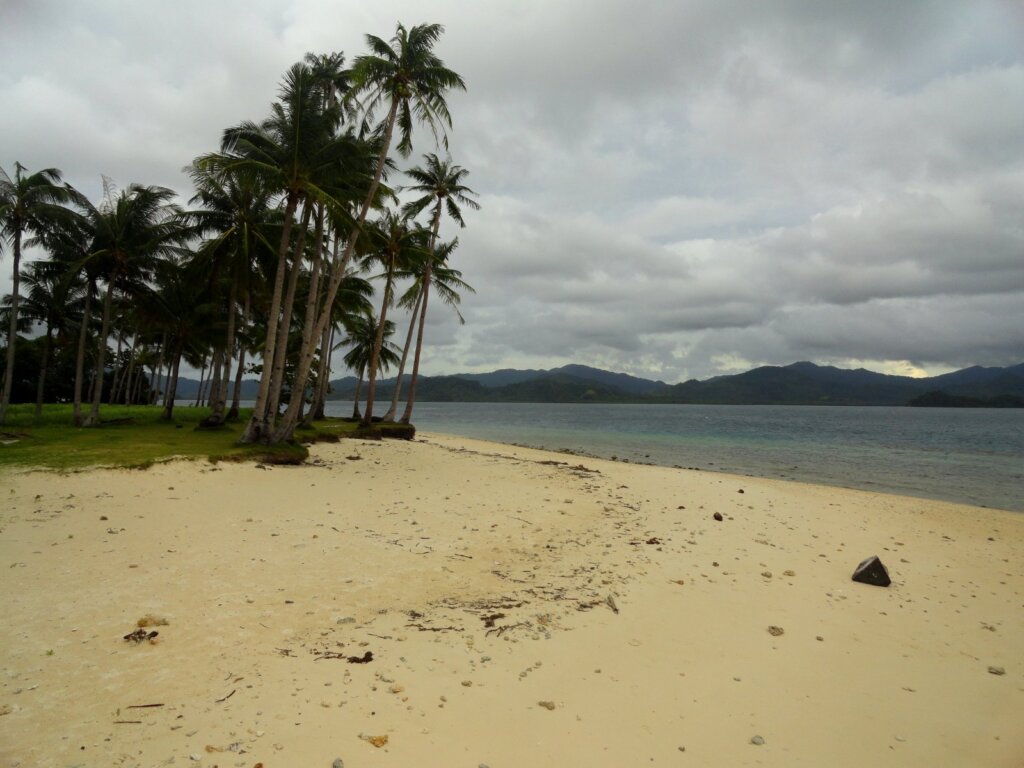
Nacpan is a longer ride north, but once you arrive the day requires almost no effort. The beach is long enough that you can nearly always find space, and a slow walk along the sand is exercise enough. Compare it with Las Cabanas in our Nacpan vs Las Cabanas comparison.
Marimegmeg and nearby beaches
If you are staying in the Las Cabanas area, neighbouring Marimegmeg Beach offers a similarly relaxed atmosphere. Bring reef-safe sunscreen, water and a hat; even a lazy beach day brings a lot of sun.
Beach-day checklist
Even the laziest beach day in El Nido benefits from a little preparation. Pack a sarong or light towel, reef-safe sunscreen, a hat, sunglasses and at least a litre of water per person. Bring small peso notes for tricycle fares, drinks and sunbed rentals where they are offered, as card acceptance at beach stalls is not guaranteed. A dry bag keeps your phone safe from sand and splashes. Finally, check the tide: some beaches shrink noticeably at high tide, and the best shaded spots fill up first. Arriving before noon or after 3 PM also helps you avoid the fiercest midday sun.
Wellness and Pampering Options
Massage is the classic El Nido recovery tool. Many small spas in town offer traditional Filipino hilot-inspired massages, foot reflexology and aloe treatments for sunburn, while resort spas offer a more luxurious setting. Our spa and wellness guide compares options.
- For sore shoulders from paddling: a back and shoulder massage.
- For sunburn: skip oil-based massage; ask for an aloe or cooling treatment.
- For legs after the Taraw climb: foot and leg reflexology.
Yoga classes are another gentle option; several studios and resorts hold morning or sunset sessions. Choose a restorative or yin class rather than a vigorous flow if you are tired.
Booking tips for spa days
Popular spas fill up in the late afternoon, when tour groups return. Book a morning or early afternoon slot on your rest day to get your preferred time and therapist. Tell the therapist about any sunburn, cuts or sore spots before the session starts, and ask for lighter pressure over sunburnt areas. Drink water afterwards, and avoid going straight back into strong sun.
Food, Cafés and Culture
A food-focused rest day is ideal when the weather turns. Spend the morning at one of El Nido’s cafés with good Wi-Fi, catch up on photos, then try a long lunch of grilled seafood. For something more hands-on, a Filipino cooking class teaches dishes such as adobo or kinilaw and ends with a shared meal.
A short walk through the town market in the morning shows what the fishing boats brought in. It is low-effort, free and a good window into daily life. If you want to learn a few words to use with vendors, local-language basics go a long way.
Rest-day eating that helps recovery
After a day or two on the water, many travellers are mildly dehydrated without realising it. Start the rest day with plenty of water, fresh fruit such as mango or banana, and a coconut if you can find one — coconut water is a pleasant way to replace fluids. Keep alcohol moderate on the evening before a boat day, and choose lighter meals if your stomach is still unsettled from the sea. Our food safety and staying healthy guide covers water, street food and what to do if you feel unwell.
Short, Gentle Walks and Viewpoints
If you want a little movement without a full activity, these options keep effort low:
- Town beach stroll at low tide in the early morning, when boats are leaving for tours.
- Corong-Corong sunset walk along the waterfront, stopping at a bar for a drink.
- Evening wander through the town streets once the heat has dropped.
Save more strenuous activities — the Taraw Cliff climb, waterfall treks or long kayak sessions — for days when you feel fully recharged.
Planning around sunset
Almost every good rest day in El Nido ends the same way: watching the sun drop behind the islands of Bacuit Bay. Build your afternoon backwards from sunset. Check the time the day before, leave your accommodation about an hour early, and pick a spot facing west — Las Cabanas and Corong-Corong are the classic choices. On cloudy days the colours can still be dramatic just after the sun disappears, so do not leave too early. Official tourism information from the Department of Tourism highlights Palawan’s sunsets as one of its signature experiences.
Choosing the Right Rest Day for Your Situation
| Your situation | Best rest-day choice | Avoid |
|---|---|---|
| Sunburnt | Café day, spa with aloe treatment | Beach lounging, pool |
| Seasick after yesterday | Land-based day, light meals | Another boat trip |
| Rainy or windy day | Cooking class, massage, cafés | Beach days |
| Travelling with kids | Resort pool, Las Cabanas shallows | Long transfers |
| Just tired | Nacpan beach day, sunset | Anything with a fixed schedule |
Families should also read our El Nido with kids guide for child-friendly downtime ideas. If you want to plan rest days into a longer trip, our 14-day slow itinerary shows how to space them out. For weather on your rest day, check the PAGASA forecast, and for protected-area rules on beaches, see the Palawan Council for Sustainable Development.
Frequently Asked Questions
What can I do in El Nido on a day off from island hopping?
Beach lounging at Las Cabanas or Nacpan, a massage, café hopping, a cooking class or watching the sunset from Corong-Corong are all low-effort choices.
What should I do in El Nido when it rains?
Choose indoor options such as a spa treatment, cooking class or café day. Keep beach plans for when the weather clears.
Is it worth taking a rest day between El Nido tours?
Yes. A rest day reduces sunburn, fatigue and seasickness, and gives you a buffer if a tour is cancelled for weather.
Which El Nido beach is best for a lazy day?
Las Cabanas is easiest to reach and great for sunset; Nacpan is further but offers more space and a quieter feel.
Are massages in El Nido expensive?
Prices vary widely, from simple town spas to resort spas. Compare a few options and ask about treatments suitable for sunburn.
How many rest days should I plan in El Nido?
A good rule is one land day for every two or three boat tours, and never more than two full boat days in a row.