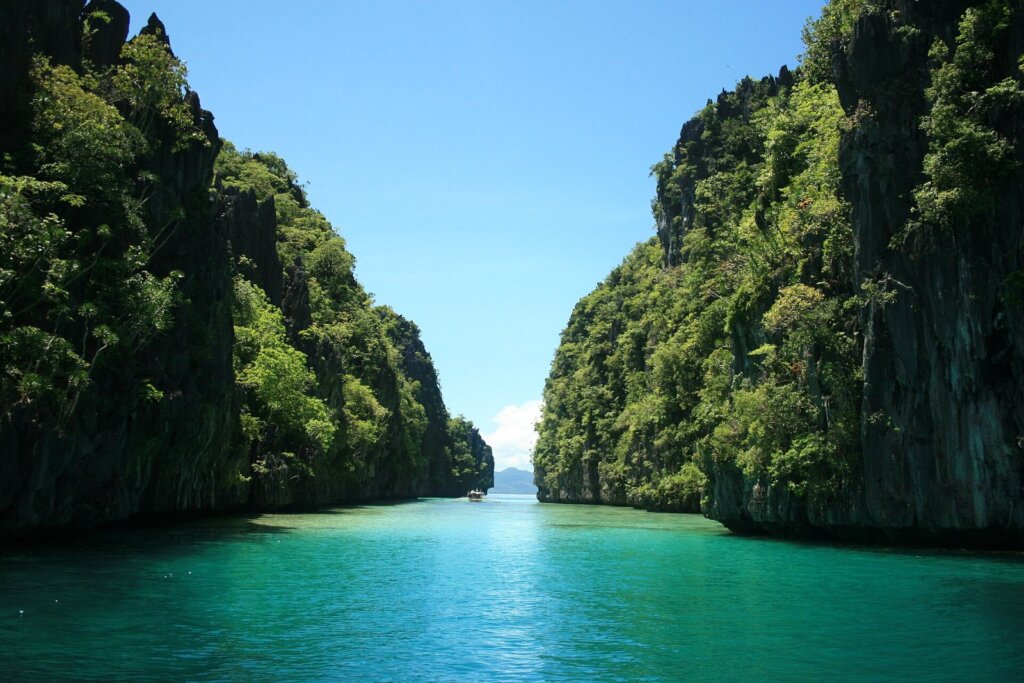

El Nido snorkeling is one of the most magical underwater experiences in Southeast Asia — and it’s completely accessible to beginners. With warm, clear water, healthy coral reefs, sea turtles, and kaleidoscopic fish schools right in shallow water, El Nido is one of the world’s best destinations for first-time snorkelers. This complete beginner’s guide covers everything you need to know before you get in the water.
Why El Nido is Perfect for Beginner Snorkelers
- Exceptional visibility: 15–30m visibility during the dry season (November–April) means you can see the reef clearly from the surface, even without diving deep.
- Warm water year-round: 27–30°C sea temperature — no wetsuit needed, just a rash guard for sun protection.
- Shallow reefs: Many of El Nido’s best snorkel spots have healthy coral at 1–5m depth, easily viewable from the surface.
- Abundant marine life: Sea turtles, clownfish, parrotfish, triggerfish, reef sharks, rays, and spectacular coral formations are all common sightings in El Nido’s MPAs (Marine Protected Areas).
- Equipment included on tours: All island-hopping tours include snorkel masks, fins, and life vests — no gear needed. Life vests are mandatory at most stops, making it safe even for non-swimmers.
Best Snorkeling Spots for Beginners in El Nido
1. Small Lagoon (Tour A) — Best Overall
The area just outside the Small Lagoon entrance is El Nido’s most consistently rewarding snorkel spot for beginners. The water is calm, enclosed by limestone cliffs, and the coral garden at 2–4m depth is home to sea turtles (sightings almost daily during dry season), clownfish among anemones, and dense schools of colourful fish. This is stop 1 on Tour A — most snorkelers consider it the highlight.
2. Seven Commandos Beach (Tour A) — Best Easy Snorkel
The right side of Seven Commandos Beach has a shallow reef (1–3m) with parrotfish, angelfish, and occasional reef sharks. Because the beach itself is sheltered, the water is almost always calm — ideal for beginners. You can snorkel right from the beach without a boat.
3. Shimizu Island (Tour B) — Best Marine Diversity
Shimizu Island’s surrounding reef is consistently cited by divers and snorkelers as one of the most biodiverse spots in El Nido. The coral is largely intact, with huge table corals, brain corals, and enormous sea fan formations visible from the surface. Look for barracuda, grouper, and octopus. Moderate current on some days — stay close to the tour guide.
4. Hidden Beach (Tour C) — Most Dramatic Setting
The snorkeling around Hidden Beach’s entrance channel (just outside the limestone cliffs) is spectacular. Dense reef fish, good coral coverage, and a dramatic setting make it one of El Nido’s most memorable snorkel stops. Note: getting to Hidden Beach requires a short swim between limestone outcrops — not suitable for complete non-swimmers without a life vest.
5. Cadlao Lagoon (Tour D) — Calmest Water
Tour D’s Cadlao Lagoon has the calmest water of any snorkel stop in El Nido — perfect for beginners who are nervous about current or waves. Snorkeling along the lagoon edges reveals coral gardens, reef fish, and occasionally sea turtles. Recommended for families and first-timers.
Which Tour is Best for Snorkeling?
| Tour | Snorkeling Quality | Best For | Difficulty |
|---|---|---|---|
| Tour A | ★★★★★ | First-timers, sea turtles | Easy |
| Tour B | ★★★★☆ | Marine diversity, Shimizu Island | Easy–Moderate |
| Tour C | ★★★★★ | Advanced beginners, dramatic spots | Moderate |
| Tour D | ★★★★☆ | Families, calm water, beginners | Very easy |
For first-time snorkelers, Tour A is the top recommendation — it combines the best snorkeling spots with the calmest conditions. See our full island-hopping tour comparison for complete details.
Beginner Snorkeling Tips: Before You Get In
Mask Fit is Everything
A poorly fitting mask that leaks is the #1 frustration for beginner snorkelers. On tour boats, check your mask before entering the water: place it against your face without using the strap — it should stay in place with light suction when you breathe in through your nose. If it doesn’t seal, try a different mask. Ask the boat crew — they carry multiple sizes.
Clearing a Fogged Mask
Anti-fog: before entering the water, rub a tiny amount of saliva on the inside of the lens, then rinse briefly with sea water. This dramatically reduces fogging. Many tour operators also carry anti-fog spray.
Breathing Through the Snorkel
Slow, deep breaths through the snorkel tube. If water enters the tube, exhale sharply to clear it (“blast clear”) — most modern snorkels have a splash guard. Practice clearing in shallow water before venturing out. Don’t panic if water enters — it’s easy to clear.
Flotation
Wear your life vest. In El Nido’s Marine Protected Areas, life vests are mandatory for snorkelers at all tour stops — not just for safety but to prevent accidental contact with the reef. A life vest allows you to float effortlessly while observing the reef below, which is less tiring and better for marine life protection.
Reef Safe Sunscreen
Standard chemical sunscreens (oxybenzone, octinoxate) damage coral reefs. Use reef-safe sunscreen (mineral-based with zinc oxide) or wear a long-sleeve rash guard (the best protection and completely reef-safe). Most El Nido tour operators now enforce reef-safe sunscreen rules at protected snorkel sites.
Marine Life Interaction Rules
- Never touch coral — even light contact kills polyps and spreads disease.
- Don’t stand on the reef — even in shallow areas, standing damages decades of coral growth.
- Don’t chase or grab marine life — sea turtles are protected; let them approach you.
- No feeding fish — disrupts natural behaviour.
What Equipment Do You Need?
| Item | Provided on Tour? | Bring Your Own? |
|---|---|---|
| Mask & snorkel | Yes — included | Optional (own gear is more comfortable) |
| Fins | Yes — included | Optional |
| Life vest | Yes — mandatory | No need to bring |
| Rash guard | No | Strongly recommended |
| Reef-safe sunscreen | No | Yes — SPF 50+ |
| Underwater camera | No | Recommended — GoPro or waterproof case |
| Wetsuit | No | Not needed (water 27–30°C) |
If you plan to snorkel multiple days, investing in your own mask (~₱500–₱1,500 in El Nido stores) ensures a better fit than shared tour masks. GoPro cameras or budget alternatives (SJCAM) are widely available for rent in El Nido town (~₱500/day).
Best Time to Snorkel in El Nido
The best snorkeling conditions are during the dry season (November–April) when visibility reaches 20–30m and seas are calm. The optimal time of day is 8–11am — before afternoon winds pick up and before tour boats crowd the sites. Tour A and D depart from El Nido pier at 8am — arrive 15 minutes early to get the best boats.
From Snorkeling to Scuba Diving
El Nido is one of the best places in the Philippines to try scuba diving for the first time. If your snorkeling experiences leave you wanting to go deeper, the Discover Scuba Diving (DSD) experience is widely available from El Nido’s dive operators for around ₱2,500–₱3,500 per session (no certification required). An Open Water Diver certification course takes 3–4 days and opens up El Nido’s deeper dive sites, including WWII wrecks, wall dives, and dive sites inaccessible to snorkelers. See our El Nido diving guide for more details.
Frequently Asked Questions
Can non-swimmers snorkel in El Nido?
Yes — with a life vest, non-swimmers can snorkel at all El Nido tour stops. Life vests are mandatory and provided on all tours. Non-swimmers should stay near the tour guide and avoid areas with current. Tour A and Tour D are the safest choices for non-swimmers.
Is El Nido snorkeling safe?
Yes — El Nido’s protected bays have calm water, mandatory life vests, and experienced guides. Follow the tour guide’s instructions, don’t snorkel alone, and stay within the designated snorkel areas. Avoid touching the reef (for your safety and the coral’s).
Can you snorkel at El Nido without a tour?
Yes — several spots near El Nido town are accessible independently. Corong-Corong Beach and the area around Las Cabanas Beach have snorkeling reachable by swimming from shore (bring your own mask). Paradise Beach, accessible by 20-minute boat from town (₱200–₱300), is an excellent independent snorkel spot. However, the best spots (Small Lagoon, Shimizu Island, Hidden Beach) are only accessible on organised tours.
Ready to plan your El Nido snorkeling trip? Start with our island-hopping tour guide and best time to visit guide.
External resources: Coral Triangle Initiative — marine conservation | Smithsonian Ocean — coral reef fish identification