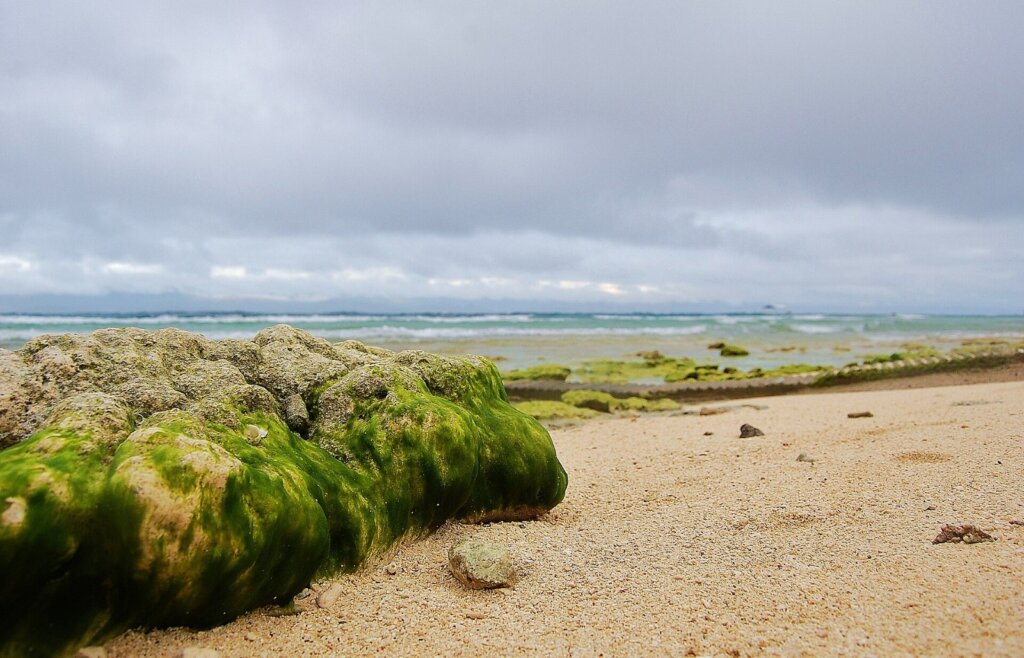

Freedivers and hunters who arrive in El Nido often ask the same question as soon as they see the reefs of Bacuit Bay: can I go spearfishing here? It is a fair question. Spearfishing has deep roots in Filipino coastal culture, and in many parts of the Philippines local fishers still dive with homemade spearguns for their family’s dinner.
This guide focuses on spearfishing in El Nido specifically for visiting freedivers, spearos and ocean-adventure travelers who want to understand the rules before they pack a speargun. The short answer is that, as a tourist, you should not plan to spearfish in El Nido. Below we explain why, what the law and protected-area rules say in plain language, and the legal activities that give you a similar sense of challenge and connection with the sea.
- The Short Answer: Why Tourists Should Skip Spearfishing
- What the Rules Say, in Plain Language
- Why Spearfishing Is Such a Sensitive Issue in El Nido
- Legal Alternatives That Scratch the Same Itch
- If You Still Want to Spearfish in the Philippines
- Questions to Ask Before Booking Any Fishing or Hunting Activity
- Respecting Reefs on Every El Nido Trip
- Frequently Asked Questions
The Short Answer: Why Tourists Should Skip Spearfishing
El Nido’s islands and waters sit inside the El Nido–Taytay Managed Resource Protected Area (ENTMRPA), one of the most important marine protected areas in the Philippines. Inside it, zoning rules designate strict protection zones and marine sanctuaries where taking any marine life is prohibited, plus multiple-use zones where only regulated fishing by registered local fishers is allowed.
On top of that, Philippine fisheries law reserves municipal waters (generally within 15 kilometers of the coast) primarily for local small-scale fishers. Visitors, and especially foreign nationals, are not part of that system. Reputable dive shops and tour operators in El Nido will not take you spearfishing, and hunting near tourist sites can lead to confiscation of equipment, fines and a very unfriendly reception.
- Most popular snorkeling and dive sites are within protected or sanctuary zones.
- Spearfishing using scuba or compressor (“hookah”) gear is restricted under national fisheries rules.
- Local ordinances in Palawan add extra restrictions and penalties for illegal fishing.
- Even where the law is unclear, the community and tourism operators strongly oppose recreational spearfishing.
What the Rules Say, in Plain Language
You do not need to be a lawyer, but it helps to know which rules apply in El Nido. We have simplified them below; always check with local authorities because ordinances change.
| Rule or authority | What it covers | What it means for visitors |
|---|---|---|
| Philippine Fisheries Code (RA 8550, amended by RA 10654) | National fishing rules, municipal waters, banned gear and methods | Municipal waters are prioritized for local fishers; destructive and certain gear-based methods are illegal |
| NIPAS / E-NIPAS Act | Legal framework for protected areas, including ENTMRPA | Taking wildlife in strict protection zones is prohibited |
| ENTMRPA management plan and Protected Area Management Board | Zoning of El Nido and Taytay waters, visitor rules, sanctuaries | Most tourist sites are no-take; rangers and Bantay Dagat patrol them |
| Palawan and El Nido local ordinances | Environmental fee, fishing restrictions, penalties | Fines and confiscation for illegal fishing; tourists pay an environmental fee to enter the area |
| Philippine Strategic Environmental Plan for Palawan (RA 7611) | Province-wide environmental planning managed by PCSD | Adds a layer of protection for coral reefs and coastal zones |
For official details, see the Bureau of Fisheries and Aquatic Resources (BFAR), the DENR Biodiversity Management Bureau for protected areas, and the Palawan Council for Sustainable Development. Our plain-English summary of ENTMRPA rules for visitors covers the do’s and don’ts on tours.
Why Spearfishing Is Such a Sensitive Issue in El Nido
To understand the strong local feelings, it helps to know El Nido’s history. Before tourism, overfishing and destructive methods such as dynamite and cyanide fishing damaged many reefs in northern Palawan. The creation of the protected area in the late 1990s and the growth of tourism shifted the local economy towards keeping fish alive. A healthy grouper or parrotfish is now worth far more to the community as an attraction seen by hundreds of snorkelers than as one meal.
Parrotfish in particular graze algae off coral, helping reefs recover after bleaching events. Large groupers and snappers, the classic spearfishing targets, are slow-growing and easily overfished. Removing them from small, heavily visited reefs has an outsized impact. That is why dive guides react strongly if they see anyone hunting, even outside the obvious sanctuary zones.
Legal Alternatives That Scratch the Same Itch
If what you love about spearfishing is the breath-hold challenge, the hunt, or the satisfaction of eating what the sea provides, El Nido has legal ways to get all three.
| Alternative | What you get | Approx. cost (2026) | Best for |
|---|---|---|---|
| Freediving course or fun dives | Depth, breath-hold training, technique | PHP 5,000–6,000 for a two-day beginner course | Spearos who want to improve their dive skills |
| Licensed hook-and-line fishing charter | The thrill of the catch, offshore trips, possible catch and release | PHP 6,000–15,000 per boat for a half day | Anglers and groups |
| Underwater “photo hunting” | Stalking fish with a camera, same stealth skills | Free with your own camera; rentals around PHP 500–1,000 per day | Hunters who enjoy the stalk more than the kill |
| Market-to-table paluto | Pick fresh local catch, have it cooked for you | Fish price plus PHP 150–300 cooking fee | Anyone who wants the “catch and cook” feeling |
| Reef survey or citizen science | Fish counts, learning species, giving back | Varies by program | Experienced divers who want purpose |
Freediving: same skills, no speargun
Most spearos are already competent freedivers, and El Nido is one of the best places in the Philippines to take that further. Calm, clear sites in the bay let you work on equalization, duck dives and static breath-holds with certified instructors. See our El Nido freediving guide for schools and spots.
Fishing charters done the right way
Licensed operators run hook-and-line trips outside sanctuary zones, often farther offshore for pelagic species, and many encourage catch and release. Our El Nido fishing charter guide explains how to choose a responsible captain and what to ask before you book.
Catch and cook, Filipino style
The closest legal equivalent to “spear it and grill it” is paluto: you buy fresh fish, squid or lobster at the market or a seafood stall and pay a restaurant to cook it your way, grilled, as kinilaw (Filipino ceviche) or in a sour sinigang soup. Read our paluto guide for where to do it.
If You Still Want to Spearfish in the Philippines
There are parts of the Philippines where small-scale spearfishing communities exist and where some resorts offer guided trips with local fishers. If you choose to pursue it elsewhere, follow these principles:
- Never hunt in marine protected areas, sanctuaries or near dive sites.
- Freedive only; never use scuba, hookah compressors, or lights at night.
- Get explicit permission from local government and the barangay, and go with local guides.
- Avoid vulnerable species, including parrotfish, Napoleon wrasse, sharks, rays, turtles and giant clams, many of which are legally protected.
- Take only what you will eat and share with the community that hosted you.
The international reef monitoring group Reef Check has useful background on how fishing pressure affects coral reef health worldwide.
Questions to Ask Before Booking Any Fishing or Hunting Activity
Some freelance boatmen may offer “fishing trips” that blur the line between legal and illegal. Before you hand over money, ask a few simple questions. A responsible operator will answer them confidently; a vague or annoyed response is a red flag.
- Are you accredited? Legitimate boat operators in El Nido are registered with the municipal tourism office and can show accreditation.
- Where exactly will we fish? The answer should be outside sanctuary and strict protection zones, usually farther offshore.
- What gear will we use? Hook-and-line only. Nets, spears, lights and compressors are not appropriate for tourist trips.
- What happens to the catch? Good operators encourage releasing undersized fish and protected species and keep only what will be eaten.
- Is the environmental fee included? You should have a valid environmental fee receipt for any trip in the protected area.
If anything sounds off, walk away and book through your hotel or an established tour office in town instead.
Respecting Reefs on Every El Nido Trip
Even if you never touch a speargun, small habits help Bacuit Bay’s fish populations recover. Do not feed fish on island hopping tours, avoid standing on coral, keep your fins high above the reef and wear reef-safe sunscreen (see our reef-safe sunscreen guide). Paying the environmental fee also directly supports ranger patrols and conservation work in the protected area.
Ultimately, the fish you leave in the water are what make El Nido special for the next diver. For hunters at heart, there is a quiet satisfaction in finning back to the boat with nothing but photos, knowing the grouper you spotted under that ledge will still be there tomorrow.
Frequently Asked Questions
Is spearfishing legal in El Nido for tourists?
In practice, no. Most of El Nido’s waters are inside a protected area with no-take zones, municipal waters are reserved for local fishers, and operators will not take tourists spearfishing.
Can I bring a speargun to El Nido?
It is best not to. Spearguns can attract scrutiny from rangers and authorities, may be confiscated if used in protected waters, and there are few legal places to use one near El Nido.
What happens if I am caught spearfishing illegally?
Penalties can include confiscation of gear, fines under national and local laws, and possible legal proceedings, in addition to being banned by local operators.
Can I go fishing in El Nido at all?
Yes. Licensed hook-and-line fishing charters operate outside sanctuary zones, and some resorts offer guided fishing. Catch and release is encouraged.
Are local Filipino fishers allowed to spearfish?
Registered local small-scale fishers may fish in designated zones under municipal rules, but not in strict protection zones or sanctuaries, and destructive methods are banned for everyone.
What is the best alternative for spearfishers visiting El Nido?
A freediving course or fun dives offer the same breath-hold challenge, and pairing them with a paluto seafood dinner gives you the catch-and-cook experience legally.
Featured image: Vyacheslav Argenberg via Wikimedia Commons (CC BY 4.0)