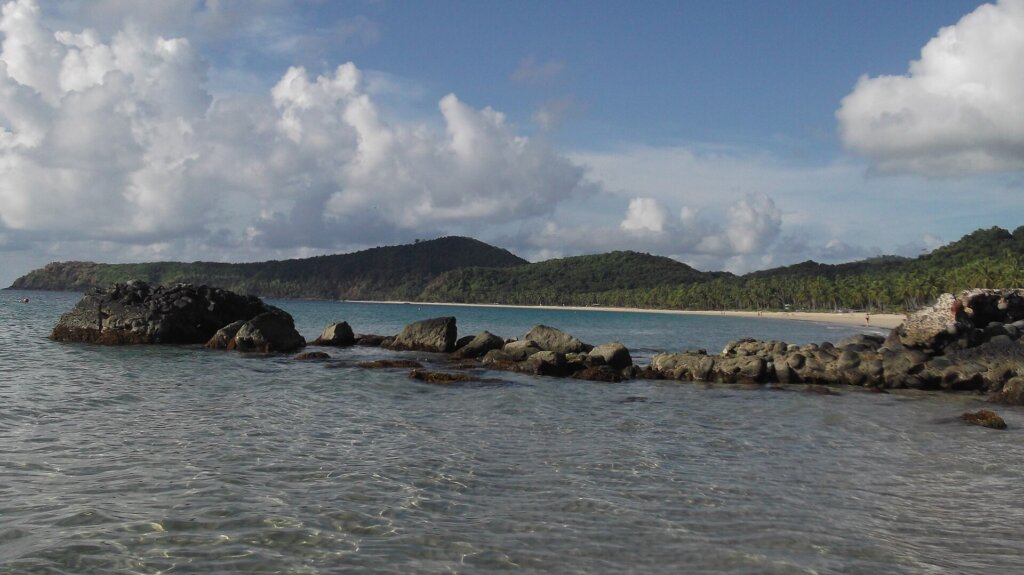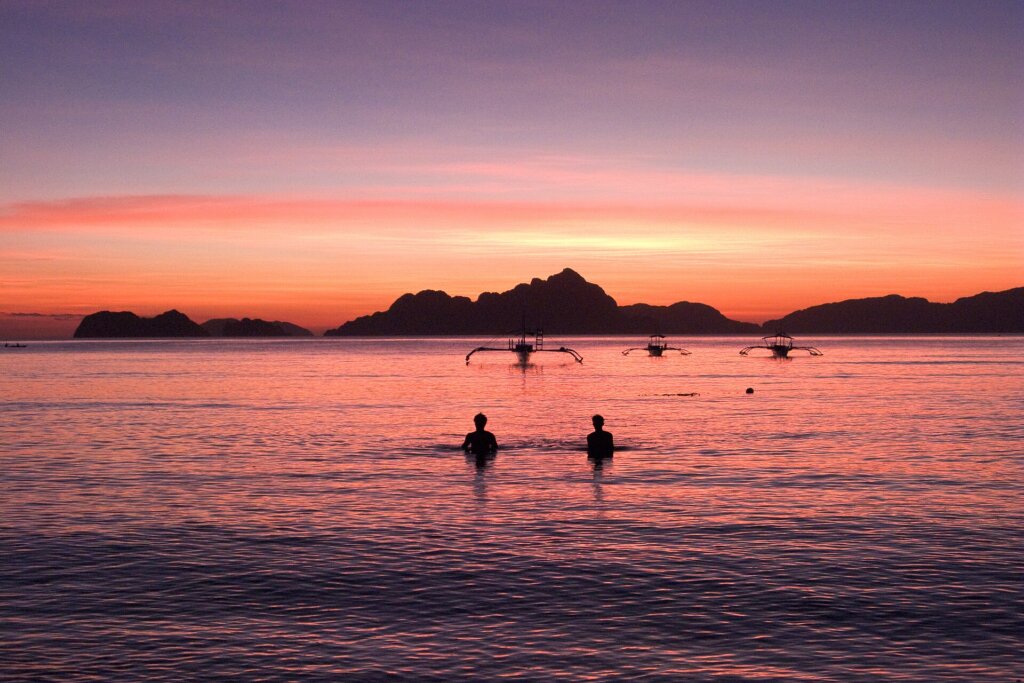

The photos of El Nido show impossibly clear turquoise water, and in most of Bacuit Bay that is exactly what you will find. But anyone who has walked along the town beach after a heavy rain, or noticed a drainage pipe near a resort, has probably asked the same question: is the water in El Nido actually clean enough to swim in? This guide focuses on swimming water quality specifically for travellers who want to know where it is safest to swim, snorkel and let their kids splash around in El Nido.
Our angle is honest and location-by-location. Rather than a blanket “yes” or “no”, we compare the town beachfront, nearby beaches like Corong-Corong and Las Cabanas, the outer island-hopping sites, and remote northern beaches. We explain what causes water quality problems in a fast-growing tourist town, how Philippine authorities monitor it, and simple habits that keep you healthy.
- The Short Answer: Mostly Yes, With Local Exceptions
- How Water Quality Is Monitored in the Philippines
- Beach-by-Beach Water Quality Comparison
- Rain, Rivers and Timing: When to Be Careful
- Staying Healthy in and Around the Water
- What El Nido Is Doing to Protect Its Water
- How Travellers Can Help Keep the Water Clean
- Choosing Where to Stay If Clean Water Matters to You
- Snorkelling Visibility Through the Year
- Bottom Line: Where We Would Swim
- Frequently Asked Questions
The Short Answer: Mostly Yes, With Local Exceptions
For the vast majority of visitors, El Nido’s water is safe and spectacular for swimming. The open waters of Bacuit Bay, the lagoons and the outer islands visited on Tours A–D are flushed by currents and far from major pollution sources. The places that deserve more caution are the beaches directly in front of densely built areas — especially the main town beach in Poblacion — and spots near river mouths or drainage outfalls, particularly right after heavy rain.
This pattern is common across popular coastal towns in Southeast Asia. Rapid growth in hotels, restaurants and homes can outpace sewage and drainage infrastructure. In the Philippines, the most famous example was Boracay’s six-month closure in 2018 for environmental rehabilitation; afterwards, national agencies stepped up inspections in other destinations, including El Nido, focusing on wastewater treatment and beach easement rules.
How Water Quality Is Monitored in the Philippines
Coastal water quality in the Philippines is regulated by the Department of Environment and Natural Resources (DENR) through its Environmental Management Bureau (EMB). Waters are classified by use — for example, waters intended for swimming and recreation must meet stricter limits on fecal coliform bacteria than general coastal waters. Fecal coliform counts are the standard indicator of sewage contamination.
The World Health Organization’s guidelines on recreational water explain why this matters: swimming in water contaminated with human waste can cause gastrointestinal illness, ear, eye and skin infections. The risk is highest close to the source and shortly after rainfall washes contaminants into the sea.
El Nido is also part of the El Nido–Taytay Managed Resource Protected Area, a large protected marine and terrestrial zone. Environmental fees collected from visitors help fund conservation and management of the area, including monitoring and enforcement.
Beach-by-Beach Water Quality Comparison
The table below is a practical traveller’s assessment based on location, development density and exposure to open sea — not official lab data. Always follow posted advisories.
| Area | Development nearby | Water flushing | Typical clarity | Swimming verdict |
|---|---|---|---|---|
| El Nido town beach (Poblacion) | Very high | Moderate | Variable | Use caution, avoid after rain |
| Corong-Corong | Medium–high | Moderate | Good on calm days | Generally fine; avoid near outfalls |
| Marimegmeg / Las Cabanas | Medium | Good | Good–very good | Good |
| Island-hopping sites (Tours A–D) | Very low | Excellent | Excellent | Excellent |
| Lio Beach | Low–medium (planned estate) | Good | Very good | Very good |
| Nacpan & Duli | Low | Excellent (open sea) | Very good | Very good; watch waves and currents |
El Nido town beach
The town beach is lovely for sunset views and watching the bangkas come and go, but it is also a working harbour lined with buildings. Boat fuel, runoff from streets and drainage can all affect water quality. Many travellers choose not to swim here and instead save their swims for the islands. If you do swim, avoid the areas near pipes or channels and skip it entirely within a day of heavy rain.
Corong-Corong and the southern beaches
Corong-Corong is a popular place to stay and has calmer, clearer water than the town beach. Water quality is generally decent, but it is still a developed strip. Further south, Marimegmeg and Las Cabanas are more open and usually clearer. Compare them in our Payag Beach vs Las Cabanas guide.
The islands of Bacuit Bay
This is where El Nido’s reputation comes from. Lagoons, coves and island beaches such as those visited on the classic tours are far from urban runoff, and the water is typically crystal clear. The main threats here are not sewage but sunscreen chemicals, litter and anchor damage — which is why using reef-safe sunscreen matters.
Northern beaches: Nacpan, Duli and beyond
Nacpan’s long open beach faces the West Philippine Sea and is constantly refreshed by waves. Water quality is excellent, but the trade-off is surf and currents, especially from June to October. Read our Nacpan vs Las Cabanas comparison before you go.
Rain, Rivers and Timing: When to Be Careful
Water quality changes with weather. During El Nido’s wet season (roughly June to October), heavy rain flushes soil, waste and debris from land into the sea. Near-shore water can turn murky and bacteria levels can spike for 24–48 hours. A simple rule many health agencies use is to avoid swimming near developed beaches, river mouths and drains for at least a day after heavy rainfall.
- Look before you swim: brown or cloudy water, floating debris, foam lines or an unusual smell are signs to skip it.
- Follow signs: obey any advisory posted by the municipality or barangay.
- Swim further out on tours: outer islands are the safest choice after storms.
- Check the season: our rainy season guide explains month-by-month conditions.
Staying Healthy in and Around the Water
Most water-related health issues for travellers are minor and preventable.
- Do not swallow seawater near town beaches.
- Rinse off with fresh water after swimming, especially before eating.
- Cover cuts with waterproof plasters; coral scrapes and small wounds infect easily in the tropics. See our sea urchin and first aid guide.
- Dry your ears thoroughly to avoid swimmer’s ear after long snorkelling days.
- Drink only bottled or purified water; do not drink tap water.
- Watch kids closely near shallow, warm, enclosed areas where water circulates less.
The CDC’s Philippines travel health page also recommends travellers be up to date on routine vaccines and consider hepatitis A and typhoid vaccination, which protect against food- and water-borne illness.
What El Nido Is Doing to Protect Its Water
Since the late 2010s, national and local authorities have paid much closer attention to El Nido’s environmental carrying capacity. Measures that travellers will notice include enforcement of beach easement rules (keeping structures back from the shoreline), requirements for establishments to connect to or operate proper wastewater treatment, limits on visitor numbers at sensitive sites such as the lagoons, and the environmental fee charged to every tourist. Local ordinances also restrict single-use plastics, which reduces the litter that ends up in Bacuit Bay.
Progress is real but ongoing. Sewage infrastructure in a growing town takes years to build, and enforcement depends on resources. That is why the outer islands remain the gold standard for swimming while the busiest stretches of town beach still call for some caution.
How Travellers Can Help Keep the Water Clean
Visitors are part of the problem — and part of the solution. A few simple choices make a measurable difference when multiplied by hundreds of thousands of tourists each year:
- Choose accommodation with proper wastewater treatment. Ask before you book; responsible hotels will be happy to tell you about their sewage treatment plant or connection to the municipal system.
- Use reef-safe sunscreen or cover up with rash guards to reduce chemicals in the lagoons.
- Refill, do not buy. Carry a reusable bottle and use refill stations.
- Never throw anything overboard on boat tours, including food scraps and cigarette butts.
- Do not stand on coral or feed fish; both damage the reef ecosystem that keeps the water clear.
- Pay the environmental fee willingly — it funds protected-area management.
Choosing Where to Stay If Clean Water Matters to You
If swimming straight from your doorstep is a priority, location matters more than star rating. Properties on Lio Beach, Las Cabanas, Nacpan and the private island resorts sit on cleaner, better-flushed water than hotels in central Poblacion. Town-based hotels are more convenient for restaurants and tour pickups, but plan to do your swimming on tours or at nearby beaches. For a full comparison of areas, see our El Nido accommodation areas guide and town vs Corong-Corong vs Nacpan breakdown.
Snorkelling Visibility Through the Year
Visibility is not the same as cleanliness, but the two often go together. In the dry months from roughly December to May, calm seas and little runoff mean underwater visibility around the islands is often excellent. During the wet season, visibility can drop near shore after storms, while outer sites usually recover within a day or two. Plankton blooms in warmer months can also make the water look slightly green — this is natural and not a sign of pollution. Plan your most important snorkelling days for calm, sunny stretches, and keep an eye on the forecast.
Bottom Line: Where We Would Swim
If we had one day in El Nido and wanted the cleanest, clearest swimming, we would book an island-hopping tour and spend most of our water time at the outer islands and lagoons. On a beach day, we would head to Las Cabanas, Lio or Nacpan rather than the town beach. We would happily wade at Corong-Corong on a calm, dry afternoon, but skip near-shore swimming in town for a day or two after a big storm. With that simple approach, almost every traveller can enjoy El Nido’s famous water without worry — and help keep it that way for the next visitor.
Frequently Asked Questions
Is it safe to swim in El Nido?
Yes, for most visitors and most locations. The islands and lagoons of Bacuit Bay have excellent water. Take more care at the main town beach and near drains or river mouths, especially after heavy rain.
Is the El Nido town beach clean?
It is a busy working harbour lined with buildings, so water quality can vary. Many travellers prefer to swim on island tours or at Las Cabanas, Lio or Nacpan instead.
Does rain affect water quality in El Nido?
Yes. Heavy rain washes runoff into the sea, making near-shore water murkier and raising bacteria levels for roughly 24–48 hours. Outer islands are less affected.
Who monitors beach water quality in El Nido?
The DENR’s Environmental Management Bureau sets and monitors coastal water standards in the Philippines, alongside local government. El Nido is also within the El Nido–Taytay Managed Resource Protected Area.
Can I drink the tap water in El Nido?
No. Drink bottled or purified water from refill stations, which many hotels and cafés provide.