TL;DR: For El Nido boat days, polarized sunglasses with full UV400 protection, a wraparound or close-fitting frame and a floating strap are the best choice; standard tinted lenses block UV just as well but do far less against the strong glare off Bacuit Bay.
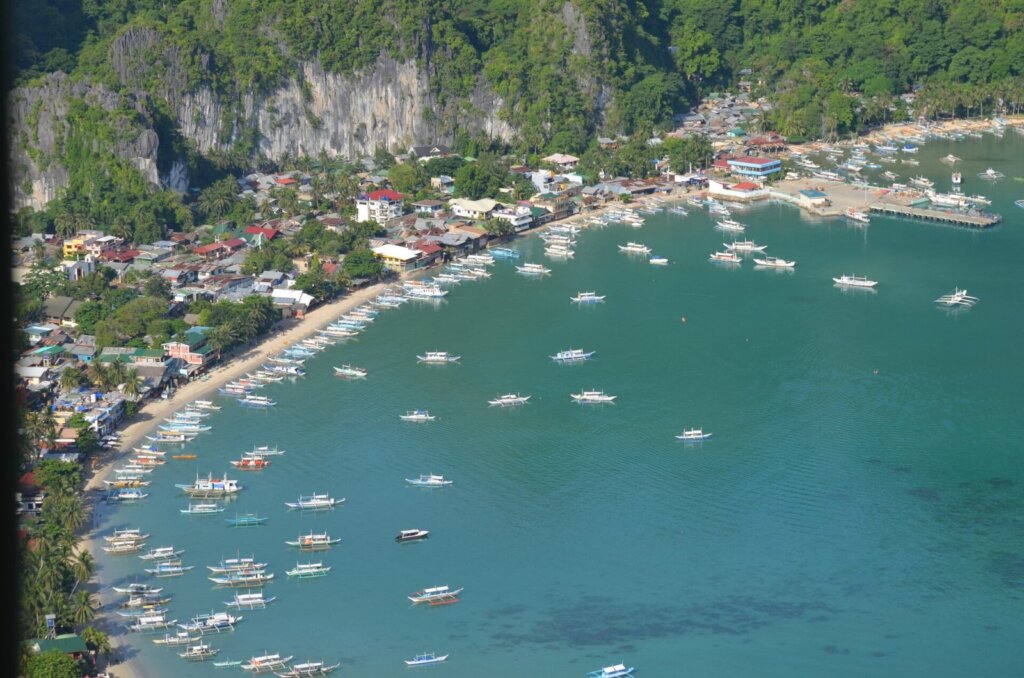
Between turquoise water, white sand and limestone cliffs, El Nido is bright. On a midday island-hopping tour you are surrounded by reflective surfaces for six or seven hours, and squinting at glare is one of the fastest ways to end a beautiful day with a headache. Yet many travelers grab whatever sunglasses are in the drawer, then lose them overboard at the first snorkel stop. This guide focuses on choosing sunglasses specifically for island-hopping, sailing and beach days in El Nido, comparing polarized, standard, mirrored and photochromic lenses.
Our unique angle is the boat test: we compare lens types not in a shop, but on the conditions you actually meet on Tours A to D, from early-morning departures to blinding noon light over shallow sandbars, and we include the overlooked practical side: straps, floating frames and where to stow them during swims.
- Why Eye Protection Matters More in El Nido
- Lens Types Compared for Boat and Beach Days
- Polarized Lenses: The Clear Winner on the Water
- When Standard or Other Lenses Make Sense
- Frames, Straps and Not Losing Them Overboard
- Prescription Wearers, Kids and Contact Lenses
- Building Your Full Sun-Protection Kit
- Key Takeaways
- Frequently Asked Questions
Why Eye Protection Matters More in El Nido
Ultraviolet radiation is strongest close to the equator and around midday, and water and sand reflect a significant extra share of it back towards your eyes. The WHO’s UV Index guidance recommends sunglasses among the basic protections when UV is high, and the American Academy of Ophthalmology advises choosing glasses that block 99–100% of UVA and UVB. Short-term, intense exposure can cause photokeratitis, a painful “sunburn” of the eye, while long-term exposure is linked with cataracts and other eye conditions.
Glare is a separate problem from UV. Glare is visible light reflected off flat surfaces like calm water; it does not burn your eyes, but it makes you squint, causes fatigue and hides what is under the surface, which matters when you are trying to spot coral, turtles or the shallow reef your boatman is navigating around.
Lens Types Compared for Boat and Beach Days
| Lens type | UV protection | Cuts water glare | See into the water | Best for |
|---|---|---|---|---|
| Polarized | Yes, if labelled UV400 / 100% UV | Excellent | Excellent | Island hopping, sailing, kayaking |
| Standard tinted | Yes, if labelled UV400 / 100% UV | Limited | Poor at midday | Town days, budget backup pair |
| Mirrored (non-polarized) | Yes, if labelled | Moderate | Moderate | Very bright beaches, style |
| Photochromic | Usually yes | Limited unless also polarized | Moderate | Prescription wearers moving indoors and out |
| Cheap fashion lenses | Often unclear | Limited | Poor | Avoid for long sea days |
Important: darkness is not protection. A very dark lens without proper UV filtering can actually be worse, because your pupils open wider behind it. Always look for “UV400” or “100% UVA/UVB” on the label.
Polarized Lenses: The Clear Winner on the Water
Polarized lenses contain a filter that blocks horizontally reflected light, which is exactly the glare that bounces off the sea. The effect is dramatic in places like Big Lagoon, Seven Commandos Beach and the sandbars of Tour D: the surface shimmer disappears, colours deepen, and you can see coral and fish from the boat. Boat crews and fishermen around the world wear polarized lenses for this reason.
There are small trade-offs. Polarized lenses can make phone and camera screens look dark or patchy at certain angles, and some people find them odd for reading LCD displays. If you plan to shoot a lot of photos or video, tilt your phone or briefly lift your glasses. For most travelers, this minor annoyance is worth it for the comfort gain.
How to check if your lenses are really polarized
Labels on cheap sunglasses are not always accurate, so test before you fly. Look at a phone or laptop screen with the sunglasses on, then slowly rotate your head or the glasses by about 90 degrees. If the screen darkens or shows rainbow patterns at one angle, the lenses are polarized. Another simple test is to look at glare on a shiny tabletop or car window and tilt the glasses: real polarized lenses make the reflection fade noticeably. Neither test tells you about UV protection, which is why the UV400 label still matters; optical shops can also measure UV transmission with a meter in a few seconds.
How much should you spend?
You do not need designer frames for El Nido, and given how often sunglasses are lost on boats, many travelers deliberately bring a mid-priced pair. As a rough guide, budget sports sunglasses with polarized UV400 lenses offer most of the benefit for a modest price; mid-range outdoor brands add better optics, scratch-resistant coatings and more durable frames; premium marine-specific models add features such as glass lenses and specialised colour filters that matter more to anglers and sailors than to casual tour guests. Whatever you choose, pair it with a strap, and you will likely bring it home.
When Standard or Other Lenses Make Sense
Standard tinted lenses with full UV protection are perfectly fine for walking around town, riding a tricycle to Nacpan Beach or sitting in a shaded cafe. They are also a smart, inexpensive backup pair: many visitors lose at least one pair of sunglasses to the sea, wind or a forgotten beach towel. Mirrored lenses reduce brightness well and suit very sunny beach days, but without polarization they still let surface glare through. Photochromic lenses are useful for prescription wearers who go in and out of shade, though they react more slowly behind a car or boat canopy and many do not darken fully in warm temperatures.
Lens colour is mostly personal preference. For El Nido specifically, the light changes a lot across the day: soft at a 9 a.m. departure, harsh between 11 a.m. and 2 p.m., and warm and low at sunset. Grey keeps colours natural, brown and amber boost contrast and can make reef features easier to see, and green sits between the two. Avoid very light fashion tints for long sea days.
Frames, Straps and Not Losing Them Overboard
- Wraparound or close-fitting frames block light coming in from the sides, which matters when the sun reflects from every direction.
- Use a strap. A simple floating retainer strap keeps glasses on your neck during wave splashes and lets them float if they fall in.
- Lightweight, flexible frames survive being sat on in a crowded banca better than metal designer frames.
- Never wear sunglasses while swimming or jumping. Leave them in a hard case inside your dry bag at every snorkel stop. Our boat-day valuables guide explains how to pack that bag.
- Rinse with fresh water at the end of each day; dried salt crystals scratch lenses when you wipe them.
Prescription Wearers, Kids and Contact Lenses
If you wear glasses, prescription polarized sunglasses are a worthwhile investment before the trip, as they are hard to get made quickly in El Nido. Clip-on polarized lenses are a budget alternative. Contact lens wearers should be careful in the sea: the American Optometric Association advises against swimming in contact lenses because of infection risk, so consider a prescription snorkel mask and daily disposables you can discard after the boat day.
Children’s eyes let more UV reach the retina than adult eyes, so kids should wear proper UV-rated sunglasses with a strap and a wide-brimmed hat. Toddler sunglasses with soft elastic bands stay on far better than regular frames.
Building Your Full Sun-Protection Kit
Sunglasses work best as part of a system. Pair them with a wide-brimmed hat or cap, a long-sleeve rash guard and reef-conscious sunscreen; see our rash guard vs sunscreen comparison and our El Nido skincare guide. Choosing morning or afternoon departures also changes how much harsh midday light you face, and sunset sailing on a paraw is when polarized lenses make the golden water look unreal.
Sunglasses can also help with motion sickness for some travelers, simply by reducing squinting and eye strain while you focus on the horizon; our seasickness guide has more tips. Finally, if you forget yours, small shops in El Nido town sell basic sunglasses, but quality and UV labelling vary, so check the label carefully or bring a reliable pair from home. Add them to the top of your El Nido packing list.
Key Takeaways
- Choose sunglasses labelled UV400 or 100% UVA/UVB; darkness alone is not protection.
- Polarized lenses are the best choice for El Nido boat days because they remove water glare and let you see into the sea.
- Use a floating strap and store glasses in a hard case in your dry bag during swims.
- Bring a cheap UV-rated backup pair; losing sunglasses overboard is common.
- Prescription wearers should sort polarized prescription lenses or clip-ons before the trip.
Frequently Asked Questions
Are polarized sunglasses necessary for El Nido?
Not strictly necessary, but they are the most comfortable choice for island hopping because they remove glare from the water and help you see coral and fish from the boat.
Do polarized lenses give more UV protection?
No. Polarization reduces glare; UV protection comes from a separate filter. Check for a UV400 or 100% UVA/UVB label on any pair.
Can I buy good sunglasses in El Nido?
Small shops in town sell basic sunglasses, but UV labelling and quality vary. It is better to bring a reliable pair from home.
Should I wear sunglasses while snorkeling?
No. Remove them before swimming and store them in a hard case in your dry bag to avoid losing or scratching them.
What lens colour is best for the sea?
Grey keeps colours natural, while brown or amber boosts contrast. Any colour works if the lens is polarized and fully UV-protective.
Do kids need sunglasses in El Nido?
Yes. Children are more sensitive to UV, so UV-rated sunglasses with a strap and a wide-brimmed hat are recommended on beach and boat days.
About the Author
This guide was compiled by the El Nido Hotels Ranking editorial team, with input from local operators and ongoing on-the-ground updates.
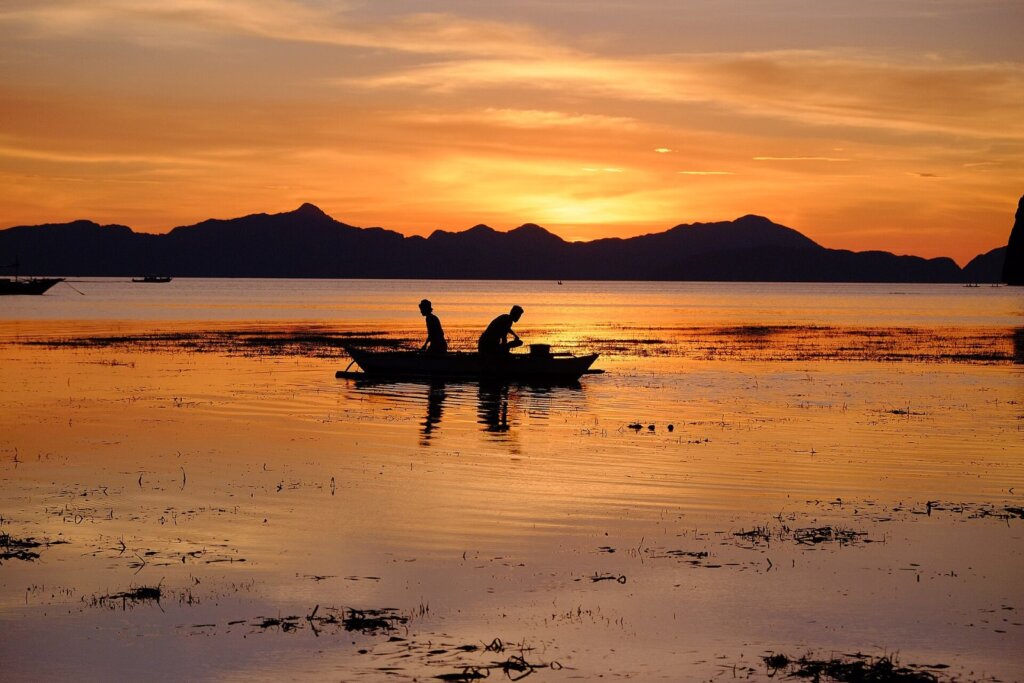
Featured image: Sundown in Maremegmeg, El Nido via Wikimedia Commons (CC BY-SA 4.0).