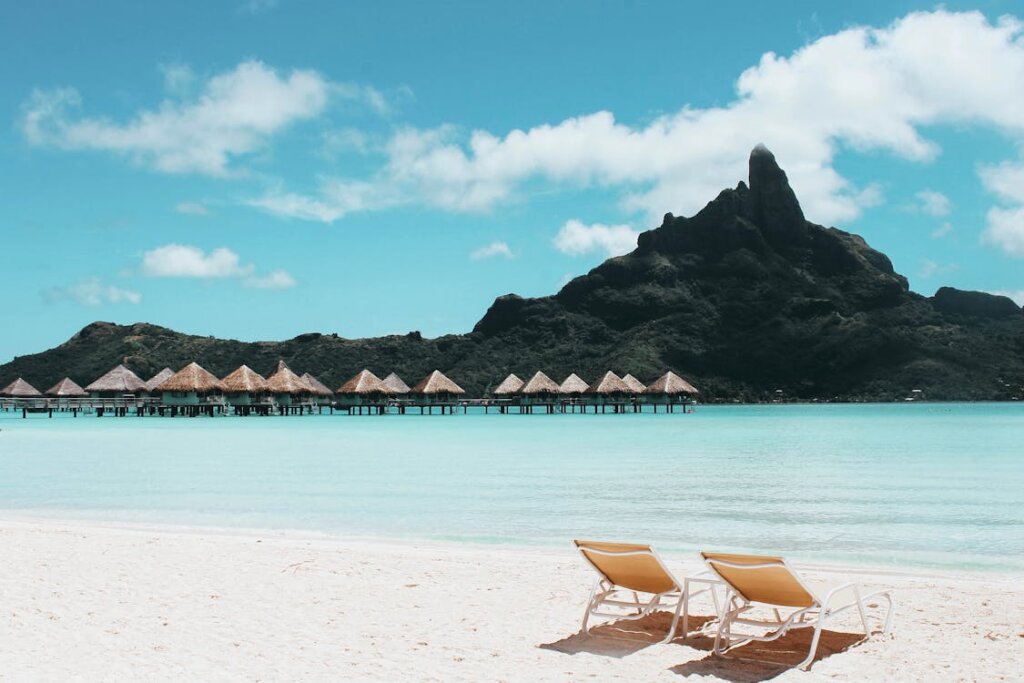
Both El Nido and Komodo are bucket-list destinations for anyone who loves being on the water, yet the experience on deck could hardly be more different. This guide focuses on El Nido vs Komodo specifically for travelers choosing a boat-based adventure in 2026 — people deciding between Philippine island-hopping day tours and Indonesian liveaboards among dragons and mantas.
Our angle is practical: we compare what a typical boat day looks like, how hard the water is, what you will see underwater and on land, and how much time and money each destination really demands.
The Core Difference: Day Tours vs Liveaboards
El Nido is built around day tours. Each morning, dozens of bangkas leave town and Corong-Corong for Bacuit Bay, visit four to six stops, serve a grilled lunch on a beach and return before sunset. You sleep on land in a hotel or resort every night. This makes El Nido flexible: you can mix boat days with beach days, change plans if the weather turns, and choose a different route each day. Our comparison of El Nido Tours A, B, C and D explains each route.
Komodo, reached via the gateway town of Labuan Bajo on Flores, is famous for its liveaboards. Traditional wooden phinisi boats and simpler local vessels run two- to four-day trips, sleeping on board and moving between islands at dawn and dusk when light and wildlife are best. Speedboat day trips exist and can hit the main highlights in one long day, but many travelers feel Komodo shines brightest when you wake up anchored in a quiet bay.
At-a-Glance Comparison
| Factor | El Nido | Komodo |
|---|---|---|
| Main format | Day tours by bangka | Liveaboards or speedboat day trips |
| Water conditions | Mostly sheltered and calm in dry season | Strong currents at many sites |
| Marine highlights | Lagoons, coral gardens, turtles | Manta rays, sharks, big reef fish |
| Land highlights | Hidden beaches, limestone cliffs | Komodo dragons, Padar viewpoint hike |
| Beginner friendliness | High | Moderate |
| Typical trip length | 4–6 nights with 2–4 boat days | 3–5 nights including a 2–3 day liveaboard |
| Gateway | Lio Airport or Puerto Princesa | Labuan Bajo Airport (Flores) |
Scenery: Limestone Lagoons vs Savanna Islands
El Nido’s scenery is all about vertical limestone. Cliffs tower over emerald lagoons, and narrow gaps open onto hidden beaches. Kayaking into the Big Lagoon or slipping through the rock window of the Small Lagoon feels like entering a secret world. The color palette is turquoise, white and deep green.
Komodo looks completely different. The islands are volcanic and hilly, covered in golden savanna grass in the dry season and green after the rains. The signature view is from the summit of Padar Island, where three bays curve away in different colors. Pink Beach adds a soft rose tint to the sand from crushed red coral. The whole area is protected as Komodo National Park, a UNESCO World Heritage Site, which gives it a wilder, more remote feel than El Nido.
Snorkeling and Diving
For beginners, El Nido is easier. Many stops are in sheltered coves where you can float above coral gardens and schools of fish with little current. Turtles are common at some sites, and the water is usually warm and clear during the dry months. Divers find good walls and reefs nearby, and those who want history can add WWII wreck diving in Coron to the same trip.
Komodo is one of the world’s richest marine areas, where cold, nutrient-rich currents meet warm tropical water. Manta rays gather at cleaning stations, reef sharks patrol drop-offs, and fish life is dense. The trade-off is current: some sites are drift dives or drift snorkels where you must follow your guide closely. Strong swimmers and certified divers get the most out of Komodo; nervous swimmers may feel more comfortable in El Nido.
Wildlife on Land
This category is a knockout win for Komodo. Seeing Komodo dragons in the wild — the world’s largest lizards — is the reason many people go. Visits to Komodo and Rinca islands are guided by park rangers along set trails, and you may also spot deer, wild buffalo and many birds. El Nido’s land wildlife is subtler: monitor lizards, hornbills and other forest birds, plus macaques on some islands. If dragons are on your wish list, there is no substitute.
Seasons, Weather and Sea Conditions
El Nido’s calm season usually runs from about January to May, when seas in Bacuit Bay are flat and tours rarely cancel. From around July to October, monsoon rain and storms can cancel boats; check the PAGASA forecast and know your rights in our guide to cancelled El Nido boat tours.
Komodo’s dry season is roughly April to November. Visibility is often excellent, and the savanna turns golden. Some months bring stronger winds and choppier crossings, and the rainy season from around December to March can reduce visibility and turn the hills green. Liveaboard schedules and park regulations change, so check the official Indonesia Travel site and your operator for the latest information.
Costs, Time and Logistics
El Nido is more modular. Shared day tours are relatively affordable, and you pay only for the days you go out. Private boats cost more but can be split among a group. The main expense is getting there via Manila, either on a small flight to Lio or through Puerto Princesa and a long van ride.
Komodo trips are more front-loaded. A shared liveaboard bundles accommodation, food and transport into one price, and higher-end phinisi cruises can be expensive. Park entrance and ranger fees apply and have changed several times in recent years, so confirm current rates before you go. Labuan Bajo has direct flights from Bali and Jakarta, making it easy to add to a Bali trip. Allow at least three nights for Komodo; four or five if you want to dive.
Sample Five-Night Plans
El Nido, five nights: Arrive and settle in at a hotel in town or along Corong-Corong, then watch the sunset over the bay. On day two, take Tour A for the lagoons. Day three is a land day at Nacpan Beach or Las Cabanas, with a zipline or a lazy café afternoon. Day four is Tour C for hidden beaches and snorkeling, and day five is either a private boat to quieter spots or a kayak session in the bay. Fly or drive out on day six. This rhythm of alternating sea and land days keeps energy levels high and gives you weather buffers if a tour is cancelled.
Komodo, five nights: Fly into Labuan Bajo and spend the first night in town, enjoying a seafood dinner and the sunset from a hillside bar. Board a two-night liveaboard on day two, typically hiking Padar at sunrise, swimming at Pink Beach, snorkeling at Manta Point and visiting dragons with rangers on Komodo or Rinca. Return on day four, then use day five for a dive trip, a visit to a nearby cave or waterfall on Flores, or simply resting before your flight. A buffer day on land before an onward flight is wise, since boat schedules can shift with sea conditions.
What to Pack for Either Trip
The packing lists overlap heavily. Bring reef-safe sunscreen, a long-sleeved rash guard, a dry bag for phones and cameras, water shoes for rocky landings, a light rain jacket and motion-sickness tablets if you are prone to seasickness. For Komodo, add sturdy shoes for the Padar hike and dragon trails, a headlamp for liveaboard nights and a warm layer, as decks can feel cool and windy after dark. For El Nido, a waterproof pouch for cash is useful because many small businesses and tour add-ons are still cash-only.
Which Should You Choose?
- Pick El Nido if you want flexibility, sheltered snorkeling, beautiful beaches and a mix of boat days and lazy land days with a comfortable bed each night.
- Pick Komodo if you dream of dragons and mantas, are a confident swimmer or certified diver, and love the idea of sleeping on a boat under the stars.
- Pick both on a longer Southeast Asia trip, connecting through Manila and Bali.
If you are still comparing big-name seascapes, our El Nido vs Raja Ampat and El Nido vs Langkawi guides cover two more popular alternatives.
Bottom Line
El Nido is the easier, gentler and more flexible boat holiday, with some of Asia’s most beautiful lagoons. Komodo is wilder and more demanding, but it rewards you with dragons, mantas and some of the best marine life on the planet. Match the destination to your comfort in the water and your appetite for adventure.
Frequently Asked Questions
Is Komodo or El Nido better for snorkeling?
Komodo usually offers richer marine life and the chance to snorkel with manta rays, but currents are stronger. El Nido has calmer, easier snorkeling in sheltered lagoons and coves, which suits beginners and families.
Do I need a liveaboard to see Komodo?
No. Day trips by speedboat from Labuan Bajo cover Padar, Pink Beach, Komodo or Rinca and a manta stop. A two- or three-day liveaboard is more relaxed and reaches more sites at better times of day.
Can you do multi-day boat trips in El Nido?
Yes. Most visitors take day tours, but several operators run multi-day island expeditions with beach camps between El Nido and Coron, typically over three to five days.
When is the best time for Komodo and El Nido boat trips?
El Nido is calmest roughly from January to May. Komodo’s dry season runs roughly from April to November, with good visibility and calmer seas in many months, though some areas get windy in July and August.
Are Komodo dragons dangerous for visitors?
Komodo dragons can be dangerous, which is why visits to Komodo and Rinca islands are led by park rangers. Follow ranger instructions, keep your distance and stay on marked paths.