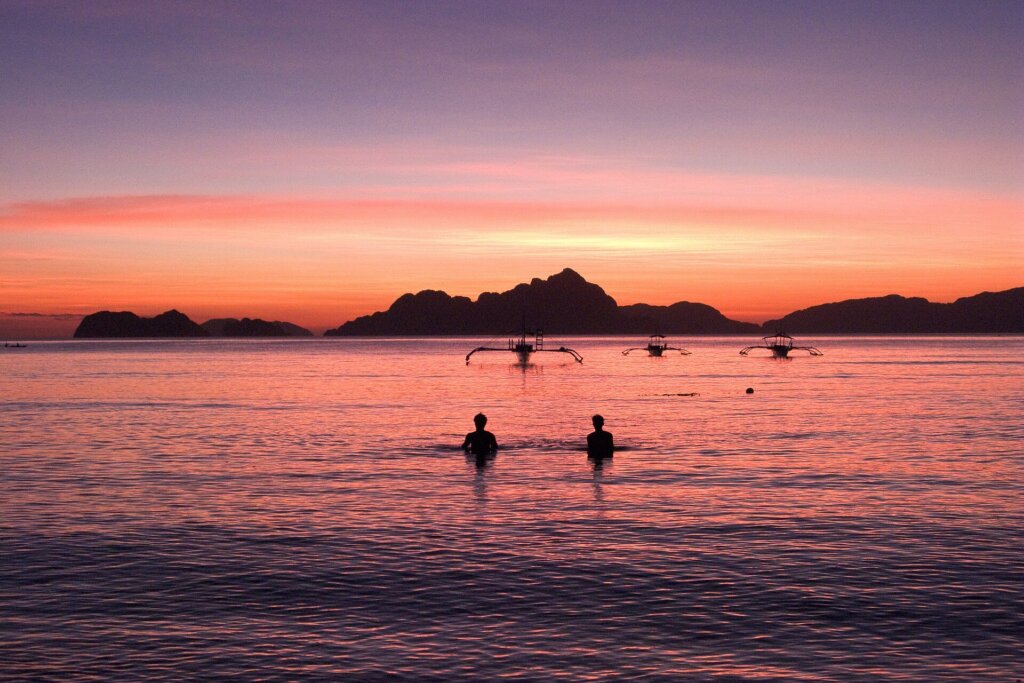

El Nido and Palau are two of the most photographed limestone seascapes in the Pacific. Both have mushroom-shaped karst islets, glassy lagoons and reef walls that drop into deep blue water. But they are very different trips once you look past the drone shots: one is a lively Philippine beach town with budget island hopping, the other is a remote island nation with world-class pelagic diving and some of the strictest visitor rules on earth.
This guide focuses on El Nido vs Palau specifically for snorkelers and divers deciding where to spend one 7–10 day tropical trip in 2026. Rather than repeating generic “which is prettier” debates, we compare lagoon experiences, dive quality, total trip cost, logistics and conservation rules side by side, then tell you which traveler profile each destination suits best.
Quick Verdict: Lagoons vs Big-Animal Diving
If your priority is value, variety and beach time, El Nido wins. You can paddle into the Big Lagoon, snorkel coral gardens and eat grilled seafood on a sandbar for well under USD 50 per day of touring. The town has hundreds of hotels across every budget, and you can combine it with Coron or Puerto Princesa on the same Palawan trip.
If your priority is sharks, mantas and drift diving, Palau wins clearly. Sites such as Blue Corner and German Channel are on most divers’ bucket lists because of their grey reef sharks, schooling barracuda and manta cleaning stations. The trade-off is a much higher daily cost and fewer flight options.
Many travelers are honestly better served by El Nido first, then Palau later as a dedicated dive trip once they hold an Advanced Open Water certification.
El Nido vs Palau: Side-by-Side Comparison
| Factor | El Nido (Palawan, Philippines) | Palau (Republic of Palau) |
|---|---|---|
| Signature scenery | Bacuit Bay karst islands, Big & Small Lagoon, Secret Lagoon | Rock Islands Southern Lagoon (UNESCO), Milky Way, Jellyfish Lake |
| Best for | Snorkeling, kayaking, beaches, first-time island hoppers | Advanced drift diving, sharks, mantas, WWII wrecks |
| Typical group day tour | Approx. PHP 1,400–2,200 (USD 25–40) incl. lunch | Approx. USD 120–180 incl. lunch, plus permits |
| Two-tank dive | Approx. USD 70–100 | Approx. USD 180–250 |
| Mid-range hotel per night | USD 50–120 | USD 150–300 |
| Visitor fees | Eco-tourism Development Fee plus lagoon fees | USD 100 Pristine Paradise Environmental Fee plus Rock Islands permit |
| Getting there | Direct flights Manila–El Nido, or Puerto Princesa + 5–6 hr van | Connections usually via Taipei, Guam, Seoul or other regional hubs |
| Nightlife & food scene | Busy town, beach bars, cheap local eateries | Quiet, mostly resort and Koror restaurants |
Lagoons and Snorkeling: Which Feels More Magical?
El Nido’s lagoons are the reason most people come. On the classic Tour A, bangkas drop you at the mouth of the Big Lagoon, and you kayak between sheer cliffs into emerald water that changes color with the tide. Shimizu Island, Seven Commando Beach and the Small Lagoon round out a day that is easy enough for kids and non-swimmers in life jackets. Read our Big Lagoon vs Small Lagoon comparison before you book, because daily caps and time slots now apply.
Palau’s Rock Islands are larger in scale. There are hundreds of forested limestone islets scattered across the Southern Lagoon, which UNESCO inscribed as a World Heritage Site for both its natural and cultural value. The famous Milky Way is a shallow cove where tour groups smear white limestone mud on their skin. Jellyfish Lake, where you can snorkel among golden jellyfish that have lost most of their sting, has had periods of closure when the jellyfish population crashed, so always check its status before you go.
Verdict for snorkelers: El Nido gives you more lagoon variety per dollar. Palau gives you more remote, uncrowded islands and the unique jellyfish experience when it is open.
Diving Quality: Palau’s Big Edge
El Nido offers relaxed, shallow diving that suits beginners and photographers. Dive sites around Miniloc, South Miniloc and Dilumacad feature turtles, nudibranchs, batfish and occasional reef sharks, with typical depths between 8 and 25 meters. Our El Nido visibility guide explains why March to June usually brings the clearest water.
Palau is a different league for experienced divers. Blue Corner is known for strong currents where you hook in on a reef edge and watch grey reef sharks, napoleon wrasse and schooling jacks cruise past. German Channel attracts manta rays, and Chandelier Cave offers air pockets and stalactites. Many of the best sites have currents and depths that require solid buoyancy control and comfortable use of a reef hook.
If you are newly certified, El Nido is the better place to build experience. If you have 50 or more logged dives and you want adrenaline, Palau is worth the premium. For wreck fans, compare Palau’s Japanese WWII wrecks with Coron’s WWII wrecks, which are an easy add-on from El Nido by ferry.
Total Trip Cost for 7 Nights
Below is a realistic mid-range estimate for one person sharing a double room, excluding international flights to the region.
- El Nido: 7 nights mid-range hotel (about USD 560), four island-hopping tours (about USD 150), two days of diving (about USD 180), food and transport (about USD 280). Total: roughly USD 1,150–1,300.
- Palau: 7 nights mid-range hotel (about USD 1,400), environmental fee and permits (about USD 150–200), two Rock Islands tours (about USD 300), three days of diving (about USD 650), food and transport (about USD 420). Total: roughly USD 2,900–3,300.
Palau uses the US dollar, and many supplies are imported, which pushes up restaurant and grocery prices. El Nido is far cheaper, especially if you eat at local carinderias and choose group tours. See our budget vs luxury island hopping guide for ways to trim costs further.
Getting There and Moving Around
El Nido is reachable by direct flights from Manila to Lio Airport, a few minutes from town, or by flying into Puerto Princesa and taking a shared van for roughly five to six hours. You can also arrive by ferry from Coron. Our El Nido transport guide compares every option.
Palau’s international airport sits on Babeldaob, a short drive from Koror where most hotels and dive shops are located. Flights typically connect through regional hubs such as Taipei or Guam, and schedules can change seasonally, so book early and build in a buffer day. Once there, nearly all activities run by boat from Koror, and taxis or hotel shuttles handle land transfers.
Conservation Rules and Visitor Fees
Both destinations protect their reefs, but Palau is stricter. Arriving visitors sign the Palau Pledge, a stamp in the passport committing them to act in an ecologically responsible way. Palau also charges the Pristine Paradise Environmental Fee, which is typically built into airline tickets, and requires separate permits for the Rock Islands and Jellyfish Lake. Palau has banned many reef-toxic sunscreen ingredients, so pack a compliant product. Official guidance is published by the Palau Visitors Authority.
El Nido sits within the El Nido–Taytay Managed Resource Protected Area. Visitors pay an Eco-tourism Development Fee that is valid for a set number of days, and certain lagoons have additional fees and capacity limits. Learn what the fee funds in our eco-tourism fee guide, and follow the coral conservation basics: no standing on coral, no feeding fish and no collecting shells.
For background on Palau’s heritage status, see the UNESCO listing for the Rock Islands Southern Lagoon. For Philippine travel requirements, the Philippine Department of Tourism remains the official source.
Best Time to Visit Each Destination
El Nido’s dry season generally runs from November to May, with the calmest seas and highest prices from March to May. The southwest monsoon from June to October brings more rain and occasional tour cancellations, but also lower prices. Check our month-by-month timing guide before booking.
Palau is diveable year-round, with the drier and calmer period usually from about November to April. The wetter months can bring choppier conditions on exposed sites, but many divers still visit in that window because water temperatures stay warm.
Who Should Choose Which?
- Choose El Nido if you are snorkelers, couples on a moderate budget, families with kids, or travelers combining several Philippine islands in one trip.
- Choose Palau if you are an experienced diver, you want bucket-list shark and manta encounters, you value seclusion over nightlife, and you have a budget that can absorb USD 400+ per day.
- Do both by treating El Nido as your learning ground and Palau as your graduation trip a year or two later.
Frequently Asked Questions
Is El Nido or Palau better for beginners?
El Nido is better for beginners. Most dive sites are shallow with mild currents, group snorkel tours are cheap, and you can take an Open Water course affordably. Palau’s signature sites often have strong currents better suited to experienced divers.
How much more expensive is Palau than El Nido?
Expect Palau to cost roughly two to three times as much as El Nido for the same length of stay. Hotels, tours, diving and food are all priced in US dollars and include import costs, while El Nido offers many budget and mid-range options.
Can I visit Palau and El Nido on the same trip?
It is possible but rarely efficient, because there are few convenient routes between them and connections often go through other regional hubs. Most travelers do them as separate trips, or combine El Nido with Coron instead.
Is Jellyfish Lake in Palau open?
Jellyfish Lake has closed in the past when the golden jellyfish population dropped, and reopened after recovery. Its status can change, so check with the Palau Visitors Authority or your tour operator before planning around it.
Which has better lagoons, El Nido or Palau?
El Nido has more famous enclosed lagoons you can kayak into in a single day, such as the Big Lagoon and Small Lagoon. Palau has a larger, more remote network of Rock Islands and unique spots like the Milky Way.