TL;DR: El Nido is the better-value, adventure-by-boat choice (best December–May), while the Seychelles is quieter, more polished and roughly 2–3× the daily cost — pick El Nido for variety and budget, the Seychelles for privacy and easier access from Europe.
El Nido and the Seychelles both show up on “most beautiful beaches on Earth” lists, and both sell the same dream: turquoise water, dramatic rock, and boats instead of traffic. But they are very different trips once you look at flights, budgets, and what you actually do each day. This guide focuses on El Nido vs Seychelles specifically for couples and long-haul travellers choosing one bucket-list island trip — people coming from Europe, the Middle East, or North America who can only do one big beach holiday this year and want a clear, honest comparison.
The unique angle here: instead of judging on photos (both win), we compare the “cost per perfect beach day” — how much money, transit time, and planning each destination demands before you are standing on the sand.
The Big Picture: Limestone Lagoons vs Granite Boulders
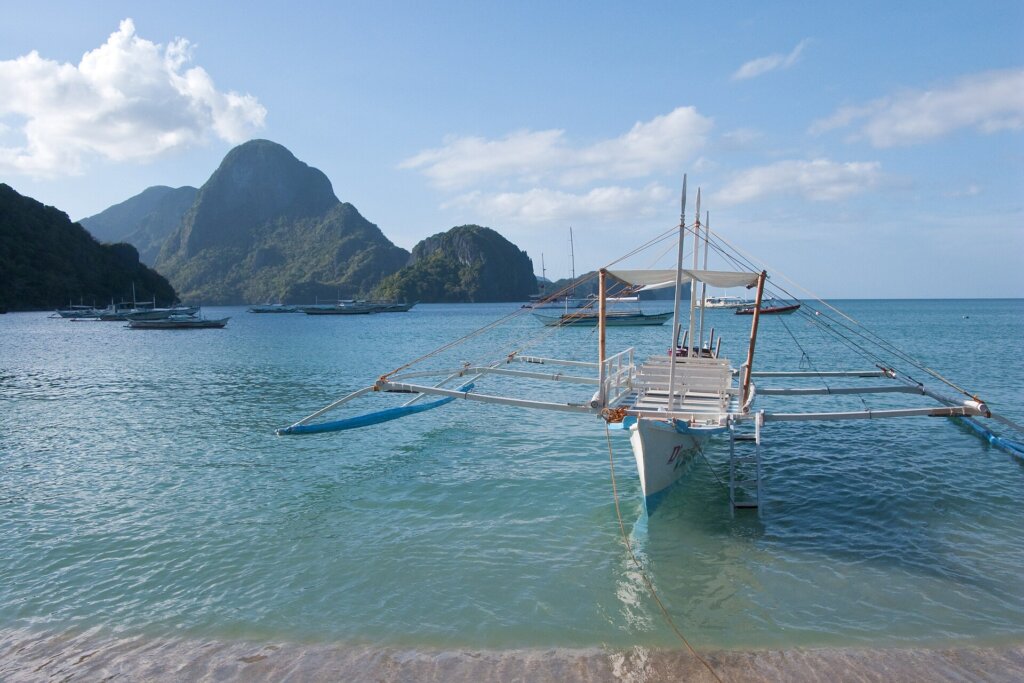
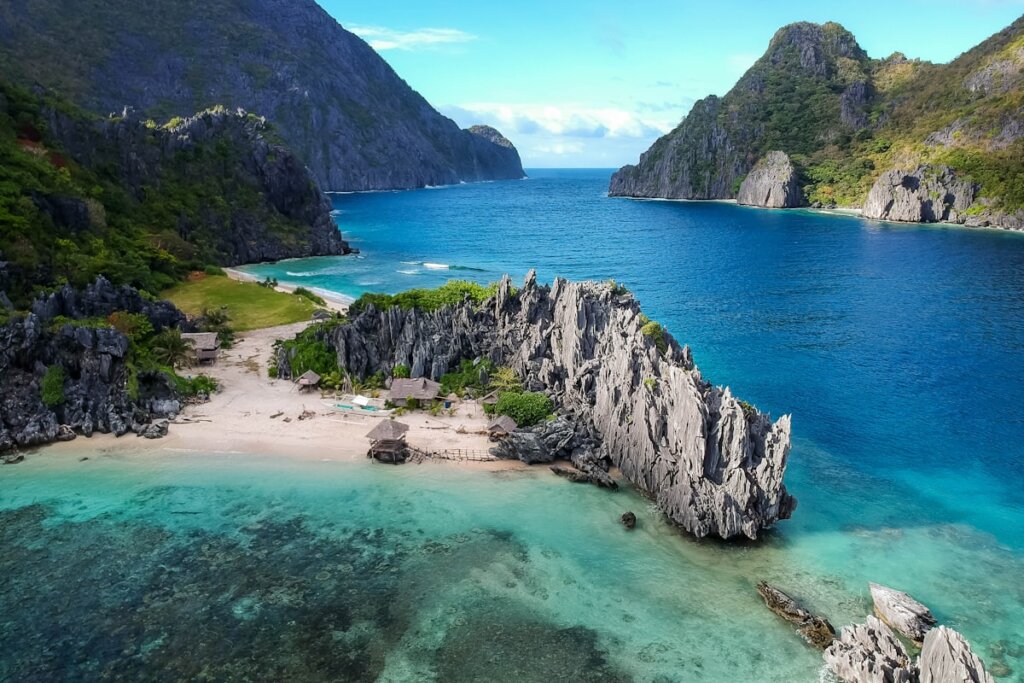
El Nido sits at the northern tip of Palawan in the Philippines. Its signature landscape is Bacuit Bay: more than 40 islands of sheer black limestone karst, hidden lagoons you kayak into, and shallow reefs a few minutes from shore. Days are built around island hopping tours on traditional outrigger bangkas, and the town itself is lively, budget-friendly and backpacker-heavy.
The Seychelles is an archipelago of 115 islands in the western Indian Ocean, roughly 1,500 km east of mainland Africa. The famous inner islands — Mahé, Praslin and La Digue — are granite, which is why beaches like Anse Source d’Argent are framed by giant smooth pink-grey boulders rather than cliffs. Days are slower: beach-hopping by bicycle on La Digue, walking trails through palm forest, and swimming in sheltered coves. It is quieter, more polished and much more expensive.
In short, El Nido is an adventure-by-boat destination; the Seychelles is a beach-by-bike-and-car destination. Neither is “better” — but one will suit your style and wallet far more than the other.
El Nido vs Seychelles at a Glance
| Factor | El Nido (Philippines) | Seychelles |
|---|---|---|
| Landscape | Limestone karst cliffs, lagoons, 40+ islands | Granite boulders, palm-backed coves, lush hills |
| Typical access from Europe | 2 flights + domestic hop (or long van ride) | 1 connection via a Gulf hub, often a direct flight |
| Mid-range room (approx.) | US$60–150 per night | US$200–450 per night |
| Daily budget, mid-range couple (approx.) | US$120–250 | US$400–700 |
| Signature activity | Island hopping Tours A–D, kayaking lagoons | Beach-hopping, hiking, island ferries |
| Best dry-weather months | December to May | April–May and October–November (calmer transition months) |
| Nightlife | Beach bars, live music, some late venues | Very low-key; mostly resort-based |
| Crowds | Busy lagoons in peak season | Generally uncrowded beaches |
Prices are indicative ranges for planning and move with season, exchange rates and how early you book.
Getting There: The Hidden Cost of Each Paradise
Access is where the two destinations split most sharply. The Seychelles’ international airport on Mahé receives flights from Gulf carriers via Dubai, Doha and Abu Dhabi, plus Addis Ababa and several seasonal European routes. From much of Europe you can be on the beach after one connection and roughly 12–15 hours of travel.
El Nido usually takes longer. Most long-haul travellers fly into Manila, then either take a small turboprop to El Nido’s Lio Airport (code ENI — see our El Nido airport guide) or fly to Puerto Princesa and ride 5–6 hours north by van. Door-to-door from Europe is often 20+ hours, and a buffer night in Manila is wise; our Manila layover guide covers where to sleep.
For travellers from East Asia or Australia, the equation flips: El Nido is far closer and the Seychelles becomes the long-haul option.
Cost: Where Your Money Goes
The Seychelles is one of the most expensive beach destinations in the world. Groceries and restaurant meals are largely imported, accommodation is dominated by boutique hotels and high-end resorts, and even guesthouses (“self-catering” units) are priced well above Southeast Asian norms. Inter-island ferries and domestic flights add up quickly if you want to see Mahé, Praslin and La Digue.
El Nido covers every budget. Hostels and simple guesthouses start very low, comfortable mid-range hotels in town or Corong-Corong are reasonable, and luxury private-island resorts sit at the top end. A shared island-hopping tour including lunch is one of the best-value days out in Asia. Our El Nido cost breakdown has current numbers.
If you are comparing the same five-star category — say a private-island villa in El Nido against a luxury resort on Praslin — the gap narrows, but El Nido is still usually cheaper for an equivalent level of comfort.
What You Actually Do All Day
A typical El Nido day
Breakfast early, board a bangka around 9am, and spend the day moving between lagoons, beaches and snorkel spots — Big Lagoon, Secret Lagoon, Seven Commandos Beach on the classic Tour A, or the hidden beaches of Tour C. Late afternoon means sunset at Las Cabanas or Corong-Corong, then dinner in town. It is active, social, and very water-focused.
A typical Seychelles day
Rent a bicycle on La Digue and ride between Anse Source d’Argent, Grand Anse and Anse Cocos; or drive Mahé’s coast road and stop at whichever cove looks emptiest. Snorkelling is good from shore at many beaches, and boat trips to smaller islands (Curieuse, St Pierre, Cousin) add variety. The pace is slower and more private — ideal for honeymooners who want to do very little, beautifully.
Beaches, snorkelling and nature compared
Beaches: The Seychelles arguably has more “perfect” individual beaches, with fine white sand and boulder frames. El Nido’s strength is variety in a small area — dozens of beaches, lagoons and coves reachable in one day by boat, plus long sandy stretches like Nacpan Beach.
Snorkelling and diving: Both are solid. El Nido offers easy reef snorkelling on every tour and well-established dive centres; the Seychelles has healthy granite reef systems, turtles and seasonal whale shark sightings.
Wildlife on land: The Seychelles wins here, with giant Aldabra tortoises, endemic birds and the UNESCO-listed Vallée de Mai on Praslin, home of the coco de mer palm. El Nido’s land highlights are the Taraw Cliff climb and mangrove kayaking.
When to Go: Weather Windows
El Nido’s dry season (amihan) runs roughly from December to May, with March to May the hottest and calmest. June to October brings the southwest monsoon (habagat), rain and occasional tour cancellations — check PAGASA forecasts before travel.
The Seychelles is warm all year and sits outside the main cyclone belt. The northwest monsoon (roughly December to March) is hotter and wetter; the southeast trade winds (roughly May to September) are drier but windier with choppier seas. April–May and October–November are the calm transition months that many travellers prefer — see the official Tourism Seychelles site for seasonal advice.
Handy overlap: if you are travelling in October or November, the Seychelles is in a sweet spot while El Nido is just coming out of its wet season. From December to April, El Nido is the stronger bet.
Entry requirements and practicalities
The Philippines offers visa-free entry for many nationalities (commonly 30 days), and all arrivals complete the online eTravel registration — details on the Bureau of Immigration site. Visitors also pay El Nido’s environmental fee locally.
The Seychelles grants a visitor’s permit on arrival to most nationalities, but travellers must apply for a Travel Authorisation online before departure. Currencies differ too: Philippine peso in El Nido (ATMs can run dry, so carry cash) and Seychelles rupee in the Seychelles, where cards are more widely accepted.
Who Should Choose Which?
Choose El Nido if you want adventure, variety and value; you enjoy boats, kayaks and meeting other travellers; you are coming from Asia or Australia; or you want a two-week trip that does not destroy your savings. It also pairs well with Coron or other Philippine islands.
Choose the Seychelles if you want privacy, polish and quiet beaches; you are on a honeymoon with a generous budget; you live in Europe or the Gulf and want an easier journey; or you value land-based nature as much as the sea.
If you are still torn, consider how you like to spend a holiday. Travellers who get restless after two beach days tend to love El Nido. Travellers who dream of reading under a palm for a week tend to love the Seychelles. Couples weighing El Nido against other icons may also like our El Nido vs Maldives and El Nido honeymoon guide.
Key Takeaways
- El Nido is limestone karst and lagoons; the Seychelles is granite boulders and palm-backed coves.
- A mid-range Seychelles trip typically costs 2–3× an equivalent El Nido trip.
- From Europe or the Gulf, the Seychelles is usually faster to reach; from Asia or Australia, El Nido is closer.
- Go to El Nido December–May; the Seychelles is calmest April–May and October–November.
- El Nido suits active, social travellers; the Seychelles suits slow, private honeymoons.
Frequently Asked Questions
Is El Nido cheaper than the Seychelles?
Yes, by a wide margin. Mid-range accommodation and meals in El Nido typically cost a third to half of Seychelles prices, and shared island-hopping tours are very affordable.
Which has better beaches, El Nido or the Seychelles?
The Seychelles has more famous individual beaches with white sand and granite boulders, while El Nido offers more variety — lagoons, coves and islands — within a single boat day.
How long does it take to get to El Nido from Europe?
Usually 20 hours or more door to door, connecting via Manila and then a domestic flight to Lio Airport (ENI) or a flight to Puerto Princesa plus a 5–6 hour van ride.
Do I need a visa for the Seychelles or the Philippines?
Many nationalities get visa-free entry to the Philippines (commonly 30 days) but must complete eTravel. The Seychelles issues a visitor permit on arrival but requires an online Travel Authorisation before you fly.
Is El Nido or the Seychelles better for a honeymoon?
The Seychelles is better for privacy and slow luxury; El Nido is better for adventure, variety and value, with private-island resorts available at the high end.
About the Author
This guide was compiled by the El Nido Hotels Ranking editorial team, with input from local operators and ongoing on-the-ground updates.