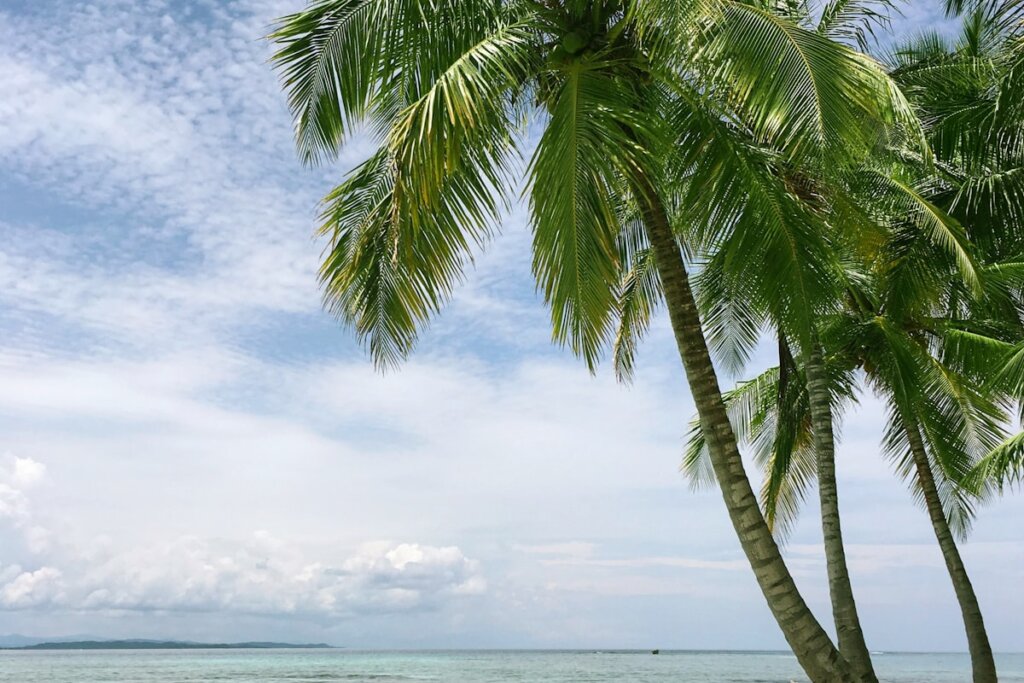

El Nido can be a dream destination for autistic children and teens who love water, animals or nature — and a challenge if crowds, loud engines, heat and changing plans pile up at once. The good news is that most stress points are predictable, which means they can be planned for.
This guide focuses on El Nido specifically for families travelling with autistic children or teens, or with other sensory-processing needs. It is a practical how-to: what to do before you book, how to prepare for boat days, how to build a sensory kit, and how to structure each day so everyone actually enjoys the trip. Every child is different, so treat this as a menu of ideas rather than a fixed rulebook.
Step 1: Choose a Calm Base
Where you sleep shapes the whole trip. El Nido town proper is convenient but noisy, with tricycles, bars and construction. For sensory-sensitive families, quieter bases often work better:
- Corong-Corong: close to town but calmer, with sunset views and easy beach access.
- Marimegmeg / Las Cabanas area: resort-style, quieter evenings, wide beaches.
- Nacpan or Duli: very quiet and spacious, but far from medical help and shops — better for families who are already confident travellers.
When booking, ask specific questions by message: Is there construction nearby? Does the room face a road or a bar? Is there a generator near the room? Can we have a room at the end of a corridor? See our room types guide to understand which categories tend to be quieter, and our quiet travel guide for low-stimulation spots.
The journey itself. Getting to El Nido usually involves a flight plus either a 5–6 hour van ride from Puerto Princesa or a short flight into Lio Airport. For many sensory-sensitive children, the long van ride on winding roads is the hardest part of the whole trip. If the budget allows, a direct flight to Lio or a private van (where you control the air-conditioning, music and stops) can be worth far more than it costs. If you do take a shared van, book the front seats, bring headphones and a tablet with downloaded content, and plan a rest stop at the halfway point.
Consider booking two nights in Puerto Princesa first. It breaks the journey into manageable pieces and gives your child a calm day to adjust to heat and new surroundings before the bigger adventure starts.
Step 2: Build a Visual Story Before You Go
Unpredictability is often the hardest part of travel. A simple visual story — photos and short sentences — can reduce anxiety a lot. Include:
- The airport and the plane.
- The van or tricycle ride (and that it may be bumpy and long).
- Your hotel room and the pool or beach.
- The boat: what it looks like, that the engine is loud, that everyone wears a life jacket.
- The lagoon: kayaks, cliffs, fish.
- What happens if it rains: “Sometimes boats cannot go. Then we do Plan B.”
Videos of El Nido boat tours online can help children preview engine noise and motion. Watch them together a few times in the weeks before the trip.
Some families also make a simple daily schedule board using a notebook or phone app: breakfast, beach, lunch, rest, pool, dinner. Ticking items off gives a sense of control. On boat days, break the tour into stops so your child can see progress, for example “Lagoon 1, Lagoon 2, lunch beach, home”.
Step 3: Prepare a Sensory Kit
Pack a dedicated bag that stays with you all day, inside a dry bag on boat days:
- Noise-cancelling headphones or ear defenders — essential for boat engines.
- Sunglasses and a wide-brimmed hat to reduce glare off the water.
- A favourite comfort object that can get wet or is protected in a zip bag.
- Familiar snacks — island lunches are buffet-style and may not include safe foods.
- A rash guard or swim shirt with a soft fabric the child already tolerates.
- Water shoes if sand or sharp rocks are a sensory issue.
- A visual timer or watch to show “how long until we go back”.
If your child has food restrictions, our food allergies guide includes tips on communicating dietary needs to restaurants and tour crews.
Step 4: Pick the Right Kind of Boat Day
A packed shared tour with 30 strangers, loud music and five stops can overwhelm anyone. Compare options before you book:
| Option | Noise and crowd level | Flexibility | Good for |
|---|---|---|---|
| Shared Tour A or C | High | None — fixed schedule | Children who enjoy busy environments |
| Private bangka, short route | Medium (engine only) | High — leave any time | Most autistic children and teens |
| Half-day kayak from the beach | Low | High | Children who like movement and water |
| Catamaran or sailing charter | Low when sailing | Medium | Families sensitive to engine noise |
| Beach day with no boat | Low | Total | Rest days and recovery days |
A private bangka with a shortened route — for example, two lagoons and one quiet beach — is often the sweet spot. You can leave early, skip a stop, or return when your child needs a break. Read about seating and motion in our seasickness guide, since nausea can quickly turn into a meltdown.
Life jackets deserve special preparation. They can feel tight, scratchy and hot, and they are mandatory on boats. If possible, buy or borrow a well-fitting child life jacket at home and practise wearing it in a pool or bath before the trip. Bringing your own also guarantees the right size, since boat crews may only have a few child sizes available.
On the water, sit near the centre of the boat, away from the engine at the back. Give your child a job — holding the snack bag, counting islands, spotting fish — which can turn waiting time into something engaging.
Step 5: Time Everything Around Crowds and Heat
The Big and Small Lagoons are busiest from late morning to early afternoon. Ask your boat operator about early departures, and confirm lagoon time slots using our lagoon rules guide. Early starts mean calmer water, cooler temperatures and fewer people.
Heat is a hidden trigger. Midday sun in El Nido is intense, and overheating can lower anyone’s tolerance for noise and change. Plan indoor or shaded downtime between roughly 11 am and 3 pm, keep drinks handy, and read our heat and sun safety guide.
Step 6: Communicate With Tour Crews and Hotels
Most El Nido staff will be glad to help if they understand what is going on. A short written note works well, for example: “Our child is autistic. Loud sounds and crowds can be hard. If they cover their ears or cry, please give us space; we will handle it.” Ask the crew to keep music off on a private boat, and to warn you before starting the engine.
The Autism Society Philippines is a useful local reference, and the National Council on Disability Affairs publishes information on disability rights in the Philippines. For medical preparation, check the CDC Philippines travel page.
Plan for meltdowns without shame. Agree as parents beforehand who will step away with your child if things get overwhelming, and where you will go — the shaded end of a beach, the boat cabin, or a quiet corner of the hotel lobby. Filipinos are generally very family-oriented and tolerant of children, but a calm, pre-planned response helps everyone recover faster.
Step 7: Always Have a Plan B
Weather cancels boat tours more often than many families expect, especially during the southwest monsoon. Build a “Plan B” card into your visual story so a cancellation feels like part of the plan rather than a broken promise. Good Plan B activities include:
- A morning at a quiet beach like Las Cabanas or Marimegmeg.
- Gentle kayaking in sheltered water — see our kayak and SUP guide.
- Indoor time at the hotel pool, or ideas from our rainy-day activities list.
- A short walk to see fishing boats come in, a hit with many kids who love boats.
Finally, check weather forecasts on PAGASA each evening and update tomorrow’s visual schedule together before bed.
After the trip. Make a short photo book or slideshow of the holiday when you get home. Reviewing what went well — and what was hard — helps your child process the experience and builds confidence for the next adventure. It also gives you a ready-made visual story the next time you travel, whether you return to El Nido or try somewhere new. Many families find the second trip is far easier than the first, simply because the child now knows what boats, vans and island days feel like.
Frequently Asked Questions
Is El Nido suitable for autistic children?
Yes, with planning. Choose a quiet base, use private or short boat trips, bring ear defenders and familiar snacks, and keep flexible rest time each day.
Which part of El Nido is quietest for families?
Corong-Corong, the Marimegmeg and Las Cabanas area, and remote beaches like Nacpan are generally quieter than El Nido town proper.
Are El Nido boat tours too loud for sensory-sensitive kids?
Bangka engines are loud. Noise-cancelling headphones or ear defenders help a lot, and private boats let you avoid music and crowds.
Should we book shared or private tours?
Private tours are usually easier because you control the timing and can leave early. Shared tours follow a fixed schedule with many people on board.
What if a boat tour gets cancelled?
Prepare a Plan B card in advance, such as a quiet beach morning or pool time, so the change feels expected rather than disappointing.
Should we bring our own child life jacket?
It is a good idea. A familiar, well-fitting life jacket reduces sensory discomfort and guarantees the right size, since crews may have limited child sizes.
Featured photo via Wikimedia Commons.