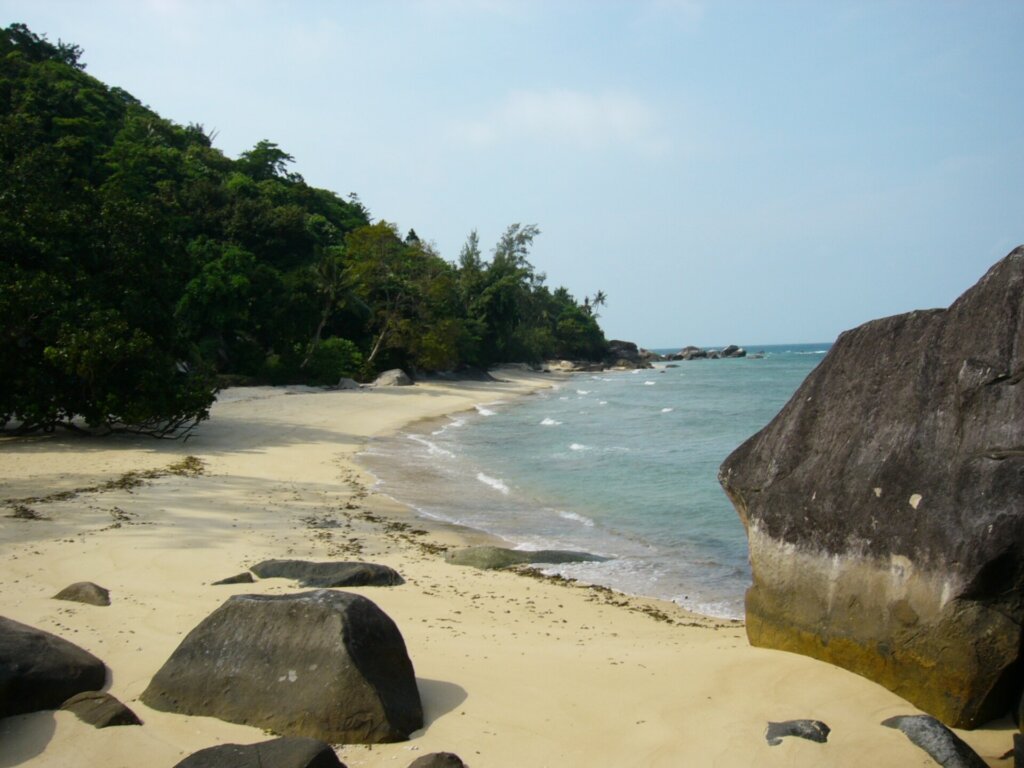

El Nido’s extraordinary natural environment makes it one of Southeast Asia’s top destinations for water activities. The Bacuit Archipelago’s 45 islands offer sheltered lagoons for kayaking, dramatic cliffs for jumping, vibrant reefs for snorkelling, and clear water stretching down 30 metres for freediving. Whether you’re a beginner looking for your first snorkel or an experienced diver planning a technical dive, El Nido delivers. This complete guide covers every water activity in El Nido — what’s available, where to do it, how much it costs, and how to stay safe.
El Nido Water Activities: Quick Overview
| Activity | Skill Level | Best Season | Approximate Cost | Can Book On Tour? |
|---|---|---|---|---|
| Snorkelling | Beginner | Nov–Apr | Included in tours | Yes |
| Kayaking | Beginner | Nov–Apr | ₱500–800/half day | Yes (lagoons) |
| Cliff jumping | Beginner–Intermediate | Nov–Apr | Free (on tours) | Yes |
| Scuba diving | Beginner–Advanced | Nov–Apr | ₱3,500–5,000/2 dives | No (separate operator) |
| Freediving | Intermediate–Advanced | Nov–Apr | ₱4,500–6,000/course | No (separate operator) |
| Paddleboarding (SUP) | Beginner | Nov–May | ₱500–800/hour | Limited |
| Sailing/sunset cruise | Beginner | Year-round | ₱800–2,000/person | Through operators |
| Swimming | Beginner | Nov–Apr | Free | All tours |
Snorkelling in El Nido
Snorkelling is the most accessible water activity in El Nido and is included as standard on all four island-hopping tours. No experience or certification is required — life jackets and basic snorkel gear (mask, snorkel, fins) are provided by every boat operator.
Best Snorkelling Spots
| Site | What You’ll See | Tour | Best Time |
|---|---|---|---|
| Shimizu Island | Soft corals, reef fish, clownfish, sea turtles | Tour A | 10am–1pm |
| Helicopter Island | Staghorn coral, parrotfish, wrasse | Tour C | Morning |
| Matinloc Shrine reef | Table coral, fusiliers, Napoleon wrasse | Tour C | Any time |
| Cadlao reef | Wall coral, lionfish, reef sharks (occasionally) | Private charter | Morning |
| Pinasil Island | Brain coral, moray eels, octopus | Tour B | Morning |
For a full guide to the reef sites accessible without scuba certification, see our El Nido snorkelling guide. For beginner tips on snorkel technique, equipment, and water safety, see our snorkelling tips for beginners.
Snorkelling Tips
- Bring your own mask if possible: Rental masks from tour boats often leak or fog. A good mask makes a dramatic difference to the experience.
- Reef-safe sunscreen only: Oxybenzone-based sunscreens are banned in marine protected areas in the Philippines. Use mineral zinc oxide sunscreen or wear a rash guard.
- Don’t touch the coral: Even accidental contact kills coral polyps and damages reef ecosystems that take decades to recover.
- Follow guide instruction at each site: Current conditions and wildlife presence vary — your guide knows which areas are safe to enter and where to look for the best marine life.
Kayaking in El Nido
El Nido’s sheltered lagoons are among the world’s best kayaking environments. The limestone karst cliffs, turquoise water, and narrow passages between the islands create a setting unlike any other. Kayaks are included on most island-hopping tours for lagoon access, and standalone rentals are available from several operators in El Nido Town and Corong-Corong.
Best Kayaking Areas
- Small Lagoon (Tour A): The most iconic kayaking spot in El Nido — you paddle through a low rocky arch into a sheltered lagoon surrounded on all sides by vertical karst walls. Morning light creates extraordinary reflections on the water. This lagoon can only be entered by kayak (swimming is not permitted), making it uniquely tranquil.
- Big Lagoon (Tour A): Larger and more open, the Big Lagoon can be paddled for an hour or more exploring the karst formations. Early morning is best — the surface is often mirror-calm before 8am.
- Corong-Corong mangroves: An independent kayaking area accessible directly from the beach at Corong-Corong, 3km south of El Nido Town. Paddle through mangrove channels where sea birds and monitor lizards are common sightings.
- Cadlao Island circumnavigation: For more experienced kayakers, the route around Cadlao Island (the large island visible directly from El Nido bay) takes 3–4 hours and passes several beautiful beaches.
Standalone kayak rental rates: ₱500–800 per half day for a double kayak; ₱300–500 per hour. Book through your accommodation or directly at the Corong-Corong beach operators.
Cliff Jumping in El Nido
El Nido has some of the most spectacular cliff jumping locations in the Philippines. The most popular sites are accessed on island-hopping tours and involve jumping from limestone outcrops into the crystal-clear water below.
Best Cliff Jumping Spots
- Secret Lagoon rock arch (Tour A/C): A moderate jump into the lagoon entry pool — typically 3–4 metres. Very popular, excellent photo spot.
- Helicopter Island (Tour C): Higher options up to 8–10 metres from the limestone cliffs on the eastern side of the island. Check depth with your guide before jumping from any height above 5 metres.
- Pinagbuyutan Island: A dramatic 6-metre jump into deep turquoise water. Accessible on private charters.
- Pangalusian Island cliffs: Multiple heights from 3–12 metres. More advanced options for experienced jumpers — guides assess conditions daily.
Safety rules for cliff jumping:
- Always check depth with your guide first — a minimum of 4 metres of water is required for jumps above 5 metres
- Never jump near rocks, boat lines, or other swimmers
- Jump feet-first with arms against your body — never dive head-first from unfamiliar heights
- Wait until other swimmers have cleared the landing zone
- Children under 12 should not jump from heights above 3 metres
Scuba Diving in El Nido
El Nido’s dive sites offer everything from shallow reef gardens to dramatic wall dives with turtles and occasional thresher sharks. The Bacuit Bay Marine Sanctuary and the waters around Tapiutan, Cadlao, and Miniloc Islands are the main dive areas. Water temperature stays at 26–28°C year-round, and visibility in the dry season (November–April) regularly exceeds 20 metres.
Diving Courses and Prices
| Course/Dive Type | Duration | Approximate Cost | Certification Required |
|---|---|---|---|
| Discover Scuba (try dive) | Half day | ₱3,000–3,500 | None |
| PADI Open Water course | 3–4 days | ₱18,000–22,000 | None (beginners) |
| Fun dives (2 dives) | Half day | ₱3,500–5,000 | Open Water or equivalent |
| Nitrox/technical dives | Full day | ₱5,000–8,000 | Advanced or specialty cert |
El Nido has several established dive shops including El Nido Resorts Diving, El Nido Scuba Diving, and North Sea Divers. Book directly with operators — dive tours are not included in the standard island-hopping tour packages.
Freediving in El Nido
El Nido’s clear, warm, calm water makes it an excellent location for freediving — breath-hold diving without scuba equipment. Beginner freediving courses (AIDA 1 and 2) are available from specialist operators in El Nido Town. The sport has grown significantly in El Nido in recent years, and the community is welcoming to newcomers.
- AIDA 1 (beginner): Introduction to freediving, static and dynamic breath-hold. No prior experience required. ₱4,500–5,500 for a 1-day course.
- AIDA 2 (pool + open water): Two-day course covering up to 20-metre dives. ₱7,000–9,000.
- Freediving sessions (certified divers): Guided freedive sessions at Cadlao wall and Shimizu reef. ₱1,500–2,500 per session including guide and equipment.
Paddleboarding (SUP) in El Nido
Stand-up paddleboarding is gaining popularity in El Nido, particularly along the calm Corong-Corong beach and the sheltered bay area near El Nido Town. Boards are available for rent from several beachfront operators.
- Corong-Corong beach: Ideal for beginners — shallow, calm water with no boat traffic
- El Nido bay (town beach): Good conditions in the early morning before tour boats depart
- Nacpan beach: Excellent SUP conditions with long, calm stretches for paddling
Rental rates: ₱500–800 per hour; ₱1,500–2,000 for a half-day. Lessons available from ₱1,000 for a beginner session.
Sailing and Sunset Cruises
Several operators in El Nido offer traditional paraw sailing (outrigger sailing boats) and motorised sunset cruises around the Bacuit Bay. These are particularly popular with couples and photographers seeking the golden-hour view of the karsts from the water.
- Paraw sailing: 2-hour sunset cruise in a traditional Filipino sailing outrigger. ₱800–1,500 per person. Departs around 4:30pm to catch the best light.
- Private charter: Full or half-day chartered bangka for photography, remote beach access, or flexible island exploration. ₱4,000–7,000 for the boat (up to 8 people). See our private island tour guide.
- Overnight sailing: Multi-day liveaboard and sailing tours connecting El Nido to Coron. ₱5,000–12,000 per person depending on boat and itinerary.
Best Time for Water Activities in El Nido
| Month | Conditions | Snorkel/Kayak | Diving Visibility |
|---|---|---|---|
| Nov–Dec | Start of dry season, some NE swells | ⭐⭐⭐⭐ | 15–20m |
| Jan–Mar | Peak dry season, calm and clear | ⭐⭐⭐⭐⭐ | 20–30m |
| Apr–May | Transition, still mostly calm | ⭐⭐⭐⭐ | 15–20m |
| Jun–Sep | Wet season, rough swells possible | ⭐⭐ | 10–15m |
| Oct | Transition, improving conditions | ⭐⭐⭐ | 12–18m |
For the full seasonal breakdown, see our best time to visit El Nido guide. For water activity planning as part of a broader itinerary, see our 3-day El Nido itinerary.
Frequently Asked Questions
What water activities are included in El Nido island-hopping tours?
Standard El Nido island-hopping tours include snorkelling gear (mask, snorkel, fins), kayaks for lagoon access, swimming stops at beaches, and cliff jumping opportunities where available. Scuba diving, freediving, paddleboarding, and sailing are separate activities booked through specialist operators and are not included in standard tour packages.
Can beginners do water activities in El Nido?
Yes — snorkelling, kayaking, paddleboarding, and swimming require no prior experience and are suitable for all ages. Life jackets are provided on all island-hopping tours. Cliff jumping is optional — guides will always advise on safety and there is never pressure to jump. Scuba diving is available as a try-dive (Discover Scuba) with no certification needed.
Is it safe to swim in El Nido?
Yes — El Nido’s sheltered lagoons and bays are generally safe for swimming during the dry season (November–April). Strong currents can develop at exposed headlands and passage points between islands, especially during the transition seasons. Always swim within designated areas on tours and follow guide instruction. Jellyfish are occasionally present, particularly from June to September — ask your guide about local conditions.