
Most snorkelers in Bacuit Bay never meet a jellyfish, but a single brush with a tentacle can ruin a day on the water. This guide focuses specifically on first aid for jellyfish stings for travelers snorkeling or swimming on El Nido island hopping tours, where the nearest clinic may be a boat ride away. It is general information, not medical advice, so always follow guidance from your tour guide and local medical staff.
How Common Are Jellyfish in El Nido?
Jellyfish are a natural part of tropical seas, and El Nido is no exception. Sightings tend to rise during calm, warm periods and after certain wind shifts that push drifting animals toward shore. Many encounters involve harmless moon jellies or tiny stingers that cause only a prickly sensation, often described as stinging seaweed. Serious, life-threatening species exist in Indo-Pacific waters, but severe incidents remain rare for tourists.
The practical lesson is preparation, not fear. Guides on island hopping boats generally know when jellyfish are present and will tell you to stay out of the water or wear protective gear. If you want to understand the broader snorkel experience before you go, read our snuba vs intro dive vs snorkeling comparison.
Where Stings Usually Happen
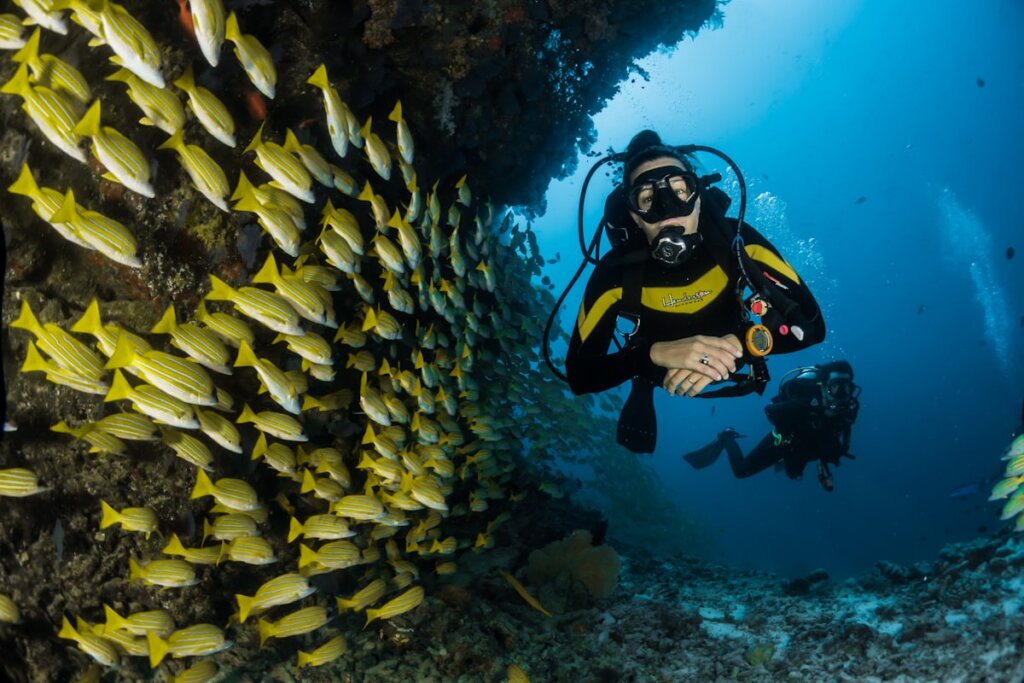
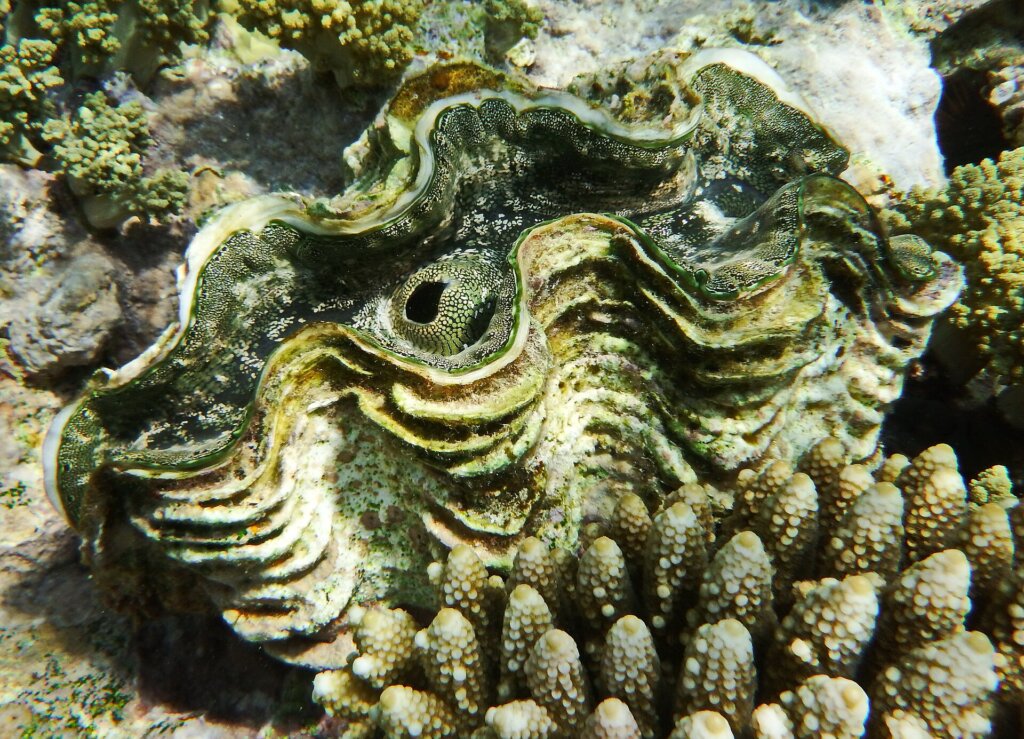
Most stings occur in shallow, sheltered water near shorelines, mangrove edges and anchored boats, because currents carry drifting jellyfish into these calm pockets. Snorkelers floating face-down are especially exposed, since arms and legs trail behind them. If you are exploring reefs full of marine life such as the giant clams spots, keep your hands close to your body, stay above the reef and watch the surface ahead of you. A relaxed, observant swimmer sees most hazards in time.
Equipment also matters. A well-fitted mask lets you spot floating tentacles, while a full-face design may reduce your peripheral vision, as discussed in our full-face vs classic snorkel mask comparison. Choose gear that lets you see clearly and breathe calmly.
Prevention: Reduce Your Risk Before You Get In
The easiest sting is the one you avoid. A few habits drastically cut your odds, and none of them cost much.
- Wear a rash guard or thin wetsuit: full coverage blocks most contact, and it also protects from sun.
- Ask your guide: boatmen watch the water daily and know current conditions.
- Look before you swim: scan the surface near the boat ladder and the shoreline.
- Avoid dawn and dusk swims in murky water: visibility is poorer, so you are less likely to see drifting tentacles.
- Do not touch anything: even a dead jellyfish on the beach can still sting.
Add a small first-aid kit to your dry bag, including a bottle of vinegar, tweezers, a plastic card and gloves. Our guide to what to bring on island hopping lists other essentials, and our coral cuts first aid guide covers the closely related problem of scrapes.
Children deserve extra attention. Their smaller bodies receive a larger relative dose, so insist on rash guards for kids and keep them in shallow, clear water within arm’s reach of an adult. Explain in simple words that beautiful floating things can sting, and that they should call you instead of touching them.
Step-by-Step First Aid for a Sting
If you are stung, calm and quick action matters more than perfect technique. Follow these steps in order.
Step 1: Get Out of the Water Safely
Leave the water slowly, keeping the affected limb still. Tell your guide at once so they can help and warn other swimmers. Panic increases heart rate, which can speed the spread of venom.
Step 2: Rinse With the Right Liquid
Rinse the area with plenty of vinegar if it is available, especially in tropical waters where box jellyfish are possible. If no vinegar is on hand, rinse gently with seawater. Do not use fresh water, because it can trigger remaining stinging cells to discharge.
Step 3: Remove Tentacles Carefully
Use tweezers, a gloved hand or the edge of a plastic card to lift visible tentacles. Never rub the skin with a towel or bare fingers. Rubbing spreads stinging cells and deepens the injury.
Step 4: Manage the Pain
For most mild stings, soaking the area in hot water, as warm as you can tolerate without burning, for about 20 minutes may ease pain. Check the temperature first to avoid scalds. An over-the-counter pain reliever can help if you have no medical reason to avoid it.
Step 5: Monitor
Watch the person for at least 30 to 60 minutes. Note the time of the sting, the area affected and any new symptoms. If breathing, speech or color changes, call emergency services without delay.
What to Tell Your Guide and the Medics
When you reach help, share the time of the sting, the part of the body involved, how it was rinsed, any allergies and any medicines you take. If you can safely do so, describe or photograph the animal, because identification can guide treatment. A short, clear summary saves valuable minutes and lets professionals decide whether further observation is needed. Teach every member of your group these basics at the start of the trip so nobody has to improvise under stress.
Sting Severity at a Glance
Use the table below to decide how urgently to act. It is not a diagnosis, and any doubt is a reason to seek help.
| Situation | Typical Signs | First Response | Seek Urgent Help? |
|---|---|---|---|
| Mild sting from small jellyfish | Stinging, red lines, itching | Rinse with seawater, remove tentacles, hot water soak | Usually no |
| Multiple stings on a limb | Intense pain, welts, swelling | Vinegar rinse, remove tentacles, monitor | If pain worsens |
| Sting on face or mouth | Swelling, trouble swallowing | Rinse, keep calm, get help fast | Yes |
| Signs of allergic reaction | Breathing difficulty, dizziness, hives | Call emergency services immediately | Yes |
| Suspected box jellyfish | Severe pain, rapid illness | Vinegar, CPR if needed, urgent transfer | Yes |
Public health agencies such as the World Health Organization publish general first aid and travel health resources, and it is worth reading them before you leave home.
Common Myths and What to Avoid
Internet advice about stings is full of well-meant mistakes. The following methods are often repeated but are not recommended.
- Urine: unhelpful and can worsen the sting.
- Fresh water rinse: may activate remaining stinging cells.
- Alcohol or ammonia: can irritate skin and make things worse.
- Scraping with sand: abrasive and may trigger more discharge.
- Tight bandages or tourniquets: not appropriate for jellyfish stings.
When in doubt, stick to rinse, remove and monitor. If the person feels unwell, get them to professional help rather than experimenting with home remedies.
Why Myths Persist
Stories about home remedies spread because they feel active: people want to do something dramatic when a friend is in pain. In reality, the most effective response is boring. Rinse properly, remove tentacles without rubbing, manage pain and watch for red flags. Training your group to resist improvised cures is one of the most useful safety habits you can build before a trip.
It also helps to agree on a calm leader. One person gives instructions, another fetches supplies and a third keeps the patient comfortable. Clear roles reduce chaos and prevent several people from trying conflicting remedies at the same time.
Getting Medical Help in and Around El Nido
Boat tours often run a few hours from town, so tell your operator about any medical conditions or allergies before the trip. Ask whether the boat carries a first-aid kit and a radio or phone signal. In town, small clinics can treat mild stings, but serious cases may need transfer to a larger facility. Keep your travel insurance details in your phone and a printed copy in a waterproof pouch. If you scuba dive or snorkel often, check that your policy covers water activities, as described by organizations such as PADI.
Government travel resources, including those from the Philippine Department of Tourism, list emergency contacts for visitors. Save the local emergency number before your trip, not during it.
Aftercare in the Following Days
Even after good first aid, the skin may stay red, itchy or raised for several days. Keep the area clean, avoid scratching and apply a soothing lotion if your doctor approves. Watch for signs of infection such as spreading redness, warmth, pus or fever. Some people notice marks that fade slowly over weeks, so use sun protection on the area to prevent darker scarring.
If the sting caused a severe reaction, speak to a doctor before your next water activity. Many travelers return to snorkeling the next day, but only when pain is mild, symptoms are gone and the guide confirms conditions are clear.
Frequently Asked Questions
Should I pee on a jellyfish sting?
No. This is a myth that can worsen irritation. Rinse with vinegar or seawater instead.
Is vinegar available on El Nido boat tours?
Not always. Ask your operator in advance, or carry a small bottle in your dry bag for the day.
Are jellyfish stings dangerous in El Nido?
Most are mild, but serious species exist in tropical waters. Watch for breathing trouble, dizziness or severe pain and seek help immediately.
Can I keep snorkeling after a mild sting?
Wait until the pain eases and your guide confirms that conditions are clear. Cover up with a rash guard on the next outing.
When is jellyfish season in El Nido?
Sightings vary and are difficult to predict. Ask your guide on the day, because conditions change with wind and currents.
Final Thoughts
Jellyfish are rarely a problem in El Nido, but a little knowledge makes any sting less scary. Cover up, carry vinegar, rinse, remove and monitor, and never hesitate to ask for help. Remember that this guide is general information and does not replace professional medical advice.