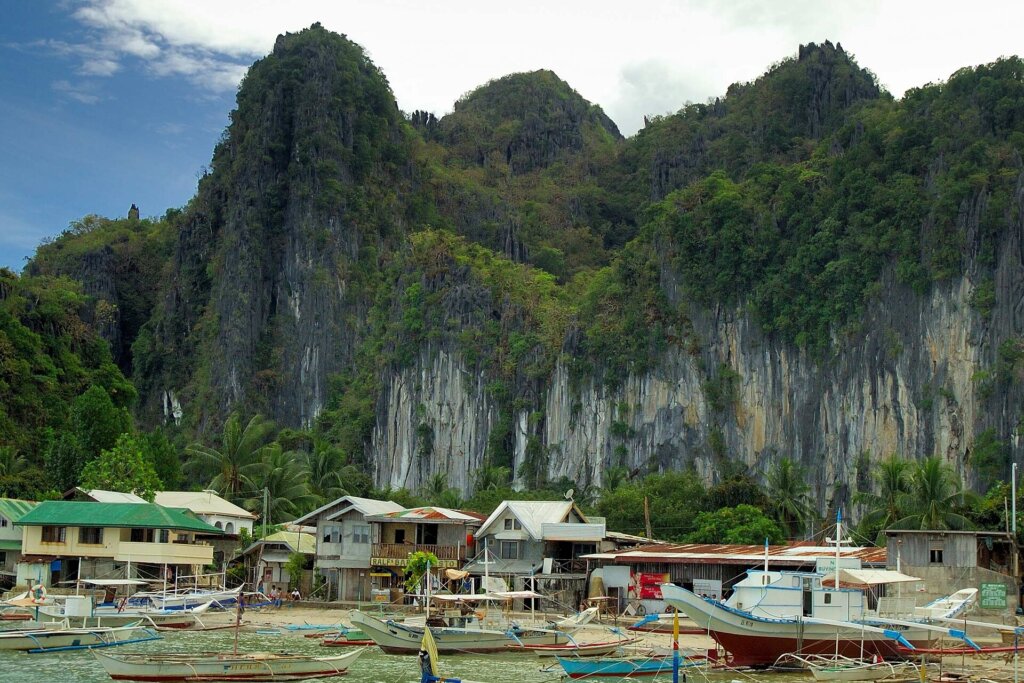

Traveling to El Nido with teenagers is a different challenge than traveling with small children or as a couple. This guide focuses specifically on families with kids aged roughly 13 to 19, the years when a slow beach holiday can either be the trip of a lifetime or a phone-scrolling standoff. The good news: El Nido’s mix of adventure, water sports, and just enough social scene is almost tailor-made to keep teenagers genuinely engaged.
- Why El Nido Works for Teenagers
- Best Activities for Teens
- Where to Stay With Teenagers
- Keeping Everyone Happy: Downtime and Connectivity
- Health, Safety, and Sun
- Budgeting for a Family of Teens
- Getting There and Timing Your Trip
- A Sample 5-Day Teen Itinerary
- Food Teens Will Actually Eat
- Managing Expectations and Group Dynamics
- Packing Smart for Teens
- Frequently Asked Questions
Why El Nido Works for Teenagers
Teenagers crave a sense of adventure and independence, and El Nido delivers both without requiring parents to hover. The island-hopping boat tours feel like genuine expeditions, the cliff-ringed lagoons look like something from a video game, and activities such as cliff jumping, snorkeling, and kayaking give teens a physical outlet and plenty of content for their feeds. Unlike a resort that can feel confining, El Nido is an active destination where each day has a clear mission, which suits the teenage appetite for novelty.
It also helps that El Nido has a young, international traveler crowd. Teenagers who might roll their eyes at a “family holiday” often relax when they see the town is full of backpackers not much older than them, buzzing cafes, and a relaxed beach-town vibe rather than a stuffy resort.
Best Activities for Teens
Island hopping is the anchor of any El Nido trip and works brilliantly for teenagers. Tour A is the classic introduction with the Big and Small Lagoons, while Tour C adds the dramatic Hidden Beach and Matinloc Shrine. Our island hopping beginner’s guide explains which tour suits which group. Beyond the boats, consider these teen-friendly options:
| Activity | Why teens love it | Notes |
|---|---|---|
| Kayaking the lagoons | Independence, no engine, great photos | Rentals available inside Big Lagoon |
| Cliff jumping & snorkeling | Adrenaline plus reef life | Always follow guide instructions |
| Nacpan Beach day trip | Long sandy beach, swimming, food shacks | Tricycle or van from town |
| Sunset viewpoint hikes | Bragging-rights views | See our viewpoints roundup |
| Freediving intro | New skill, feels advanced | Certified instructors only |
Older teens interested in the water may enjoy a beginner freediving or diving session with a certified instructor recognized by PADI. It gives them a new skill and a real sense of accomplishment that outlasts the trip.
Where to Stay With Teenagers
Families with teens generally do best near the town center or along Corong-Corong, close enough to walk to restaurants and the beach but quiet enough to sleep. A room or suite with reliable air-conditioning and decent Wi-Fi keeps everyone happy on downtime evenings. Teens value a little privacy, so a two-room setup or connecting rooms is worth the splurge on a longer stay. If you plan a day trip up north, read our note on Nacpan Beach before deciding where to base yourselves.
Keeping Everyone Happy: Downtime and Connectivity
Teenagers need downtime as much as adventure. El Nido’s beachfront bars and cafes are perfect for a relaxed evening meal where teens can decompress and, yes, get online. Connectivity has improved but can be patchy at peak times, so set expectations early: mornings are for adventure, evenings allow screen time. Framing the trip this way avoids friction. Encourage teens to document the trip through photography or short videos; giving them a creative “job” turns passive complaints into active engagement.
Health, Safety, and Sun
Teenagers are notorious for underestimating the tropical sun. Insist on reef-safe sunscreen, hats, and rash guards for full days on the water, and carry plenty of drinking water. The marine environment here is protected, and using reef-safe products aligns with guidance from conservation authorities such as the Philippine Department of Environment and Natural Resources. Brief your teens on boat safety, keep a small first-aid kit, and make sure they know the plan if the group gets separated in a busy lagoon.
Budgeting for a Family of Teens
Teenagers eat like adults and want to do every activity, so budget accordingly. Island-hopping seats, gear rental, and the environmental fee add up across several days. El Nido runs largely on cash, and ATMs are unreliable, so withdraw enough pesos before arriving; our cash and ATM guide explains the pitfalls. Letting teens manage a small daily spending allowance for snacks and souvenirs teaches budgeting and reduces constant requests.
Getting There and Timing Your Trip
The journey to El Nido is long, and teenagers handle it best when they know what to expect. Most families fly into Puerto Princesa and take a five-to-six hour van; our transport guide covers the options. Aim for the dry season between November and May for the calmest seas and most reliable boat tours, and always check a forecast such as weather.com before committing to non-refundable activities. Download entertainment for the van ride, and consider breaking the journey with an overnight in Puerto Princesa if your teens are prone to travel fatigue.
A Sample 5-Day Teen Itinerary
A well-paced itinerary prevents both boredom and burnout. On day one, arrive and settle in, walk the town, and let everyone swim off the journey; keep it light. Day two tackles Tour A, the gentle introduction to island hopping with the Big and Small Lagoons, where kayaking gives teens a hit of independence. Day three shifts gears with Tour C, home to the more adventurous Hidden Beach and dramatic snorkeling stops, plus cliff jumping for the brave. Day four is a land day: rent a van or tricycle up to Nacpan Beach for a long, uncrowded stretch of sand, beach volleyball, and food shacks, followed by a sunset viewpoint hike back near town. Day five is deliberately open, reserved for whatever the group loved most, be it a return to a favorite beach, a freediving lesson, or simply cafe-hopping before the trip home. Building one flexible day into the plan is the single best way to keep teenagers from feeling over-scheduled.
Food Teens Will Actually Eat
Fussy eaters relax in El Nido because the dining scene is more international than the town’s size suggests. Wood-fired pizza, burgers, fresh fruit shakes, and beachfront barbecue sit alongside Filipino classics, so even the pickiest teen finds something familiar. Encourage them to try local dishes such as grilled seafood or adobo, but do not force it; the goal on a family holiday is enjoyment, not a culinary boot camp. Breakfast cafes serving smoothie bowls and strong coffee are a hit with older teens, and many stay open late enough to double as evening hangouts. Keeping teens fed and caffeinated does more for group morale than any single activity.
Managing Expectations and Group Dynamics
The biggest predictor of a smooth family trip is not the destination but the conversation you have before it. Involve teenagers in the planning: let each pick one activity that is “theirs,” and agree in advance on how downtime and phone use will work. Teenagers respond far better to being treated as partners than as passengers. Agree on a loose daily rhythm, build in unstructured time, and resist the urge to fill every hour. It also helps to acknowledge that some friction is normal; a mid-trip grumble is not a sign the holiday has failed. When teens feel heard and have genuine input, they invest in the experience, and the trip becomes something they remember fondly rather than endure. Photograph everything, laugh at the low moments later, and let El Nido’s scenery do much of the heavy lifting.
Packing Smart for Teens
Teenagers tend to over-pack clothes and under-pack the gear that actually matters on the water. Steer them toward a rash guard for full days snorkeling, water shoes for rocky entries, and a proper dry bag to protect phones on the boat, which prevents the single most common holiday disaster: a soaked device. A reusable water bottle cuts plastic waste and keeps everyone hydrated in the heat, and a lightweight quick-dry towel earns its place in the bag. Encourage a portable power bank so a day of photos does not end in a dead battery and a grumpy teen. Motion-sickness tablets are worth carrying for anyone prone to queasiness on the longer boat crossings between islands. Our full El Nido packing list covers everything in detail, but the principle is simple: pack light on clothes, generous on water gear. One versatile outfit for evenings out, swimwear, and sun protection will carry most teenagers through the entire trip without a bulging suitcase.
One last piece of advice from families who have done this trip: let your teenagers lead at least once. Hand them the map for a day, let them choose the restaurant, or put them in charge of the group’s photos and video. That small transfer of responsibility transforms the dynamic, turning a parent-planned holiday into a shared adventure they helped shape. El Nido rewards curiosity, and teenagers who feel ownership of the trip often surprise their parents with how enthusiastically they throw themselves into it, from early boat departures to that final sunset swim.
Frequently Asked Questions
Is El Nido good for teenagers?
Yes. The adventure-focused activities, young traveler scene, and photogenic scenery suit teenagers far better than a static resort. Island hopping, kayaking, and snorkeling keep them genuinely engaged.
How many days should we spend in El Nido with teens?
Four to five days is ideal: two island-hopping days, a beach day trip, a viewpoint hike, and a relaxed final day, with room for downtime in between.
Will my teenagers have Wi-Fi in El Nido?
Wi-Fi exists in most accommodations and cafes but can be slow at peak times or during power interruptions. Set clear expectations and treat evenings as connectivity time.
Are the island-hopping tours safe for teenagers?
Yes, with reputable operators and life jackets. Cliff jumping and snorkeling should always be done under guide supervision and within each teen’s comfort level.
What should teenagers pack for El Nido?
Reef-safe sunscreen, rash guards, water shoes, a dry bag for phones, and a reusable water bottle. See our full El Nido packing list for the complete rundown.