
Most visitors reach El Nido planning to snorkel, then discover that dive shops also sell “snuba” and “discovery dives”. They look similar in photos but differ a lot in training, depth, price and what you will actually see. This guide focuses specifically on first-time underwater travellers deciding which of the three experiences deserves their half-day, and it compares them side by side so you can choose with confidence.
If you already know you want certification-level diving, skip ahead to our freediving for beginners and macro diving pages.
- The Three Options in One Paragraph
- Side-by-Side Comparison
- Snorkeling: The Free (or Almost Free) Baseline
- Snuba: Easier Than Scuba, Deeper Than Snorkeling
- Intro Scuba Dive: The Real Thing, with Support
- Safety Considerations for Each Option
- Best Spots in El Nido for Each Activity
- Cost Breakdown and Value for Money
- Who Should Skip the Deeper Options
- What You Will Actually See Underwater
- Which Should You Choose? Decision Guide
- Booking Tips and What to Bring
- Frequently Asked Questions
The Three Options in One Paragraph
Snorkeling means floating at the surface with a mask, snorkel and fins, breathing air from above the water. Snuba sits in between: you wear a mask and regulator but the air comes through a long hose from a tank floating on a raft at the surface, so you swim a few metres down without carrying equipment. An introductory or “discovery” scuba dive uses a real tank on your back, a certified instructor beside you, and a short briefing and shallow-water skills session before you go to roughly 8 to 12 metres. Each step adds freedom, cost and responsibility.
Side-by-Side Comparison
| Feature | Snorkeling | Snuba | Intro scuba dive |
|---|---|---|---|
| Typical depth | Surface, 0-2 m | 3-6 m (hose limit) | 8-12 m |
| Training needed | None | 10-20 min briefing | Briefing plus skills session |
| Medical forms | Usually none | Short declaration | Full questionnaire |
| Price range (PHP) | Included in tours | About 1,500-2,500 | About 3,500-5,500 |
| Freedom of movement | Excellent | Limited by hose | Excellent |
| Minimum age | Any, with vest | Often 8+ | Often 10+ |
Prices vary by season and operator, so treat the ranges as planning figures rather than quotes, and always confirm what is included before booking.
Snorkeling: The Free (or Almost Free) Baseline
For many travellers, snorkeling is all they need. The standard island-hopping tours stop at shallow reefs, lagoons and sandbars where fish are visible within a metre or two of the surface, and gear is usually provided. Visibility of 10 to 20 metres is common in the dry months, and the 7 Commando Beach, Helicopter Island and Secret Beach stops are all excellent for it. If you want your own equipment, our pages on renting versus bringing snorkel gear and full-face versus classic masks help you decide, and wearers of glasses should read about prescription snorkel masks.
The downside is that you are a spectator at the surface. Corals look flatter from above, and larger reef fish stay deeper where you cannot follow.
Snuba: Easier Than Scuba, Deeper Than Snorkeling
Snuba suits people who want to go below the surface but are nervous about full scuba equipment or do not want a certification course. Because the tank floats on a small raft, you carry less weight and the guide keeps you linked to the surface at all times. The hose usually limits depth to about 5 or 6 metres, which is where much of the coral and many fish live anyway. Sessions are short, typically 30 to 45 minutes underwater, and most operators accept confident swimmers aged 8 and above.
Limitations matter. You cannot swim freely, you drag the hose behind you, and groups are often tied together around the raft, so photographers may feel restricted. Snuba is also usually offered in sheltered shallow areas rather than the best deep reefs.
Intro Scuba Dive: The Real Thing, with Support
A discovery dive gives you the full experience. After a briefing on equalising, clearing your mask and communicating with hand signals, you descend with an instructor, usually one to two students per guide. Dives reach 8 to 12 metres, offering greater views of coral gardens, schooling fish and sometimes turtles or rays. Because you are using a real tank, you must complete a medical questionnaire, and anyone with ear, sinus, heart or lung conditions may need a doctor’s sign-off. Organisations such as PADI publish the standard medical form used worldwide, which shops in El Nido follow.
The big advantage is that the skills transfer: an intro dive can often be credited toward a full Open Water course. If you plan to dive more, check dive insurance options before you go.
Safety Considerations for Each Option
Snorkeling accidents mostly involve fatigue, strong currents and sunburn. Always wear a bright vest on open-water swims and follow the boat crew’s warnings; our guide to jellyfish sting safety covers seasonal hazards. Snuba and intro dives add pressure-related risks, so equalise gently, ascend slowly and never hold your breath. Avoid flying within 12 to 24 hours after a scuba dive, a rule recommended by Divers Alert Network, which matters if your departure flight leaves El Nido airport soon after. Choose operators that show current instructor certifications, maintained equipment and a clear emergency plan.
Best Spots in El Nido for Each Activity
For snorkeling, the shallow reefs at Small Lagoon, Cadlao Lagoon and Entalula-side beaches give easy entry. Snuba operators usually work from sheltered bays near town and on island stops where the water stays calm. Intro dives commonly run at sites such as Dilumacad (Helicopter) Island, South Miniloc Island and Natnat Beach reef, where depths and currents suit beginners. Weather affects every option, so check Tour A versus Tour C for how routes change when the sea is rough, and consult the national forecaster PAGASA for current marine conditions.
Cost Breakdown and Value for Money
Snorkeling is effectively free once you have booked an island-hopping tour, because masks and fins are included or cost a few hundred pesos to rent. Snuba adds a flat fee per person, usually for a 30 to 45 minute session, and often includes a guide and a photographer on request. Intro dives cost the most because they include an instructor, full equipment rental and boat time, and photo packages are almost always extra. Per minute underwater, snuba is typically the priciest option, because the sessions are short, while an intro dive gives more time and depth for each peso. If you are travelling as a family of four, snorkeling together and giving only one adult an intro dive is a sensible compromise that keeps everyone happy.
Who Should Skip the Deeper Options
Skip snuba and intro dives if you have had recent ear or sinus surgery, uncontrolled asthma, epilepsy, serious heart or lung disease, or if you are pregnant. Anyone with a bad head cold should also postpone, because blocked sinuses make equalising painful and risky. If you are unsure, ask a doctor before you travel and carry the answer in writing, because dive shops will legitimately refuse customers who cannot be cleared. Snorkeling is still a wonderful alternative, and gentle floating over shallow reef often delivers the same joy with none of the pressure.
What You Will Actually See Underwater
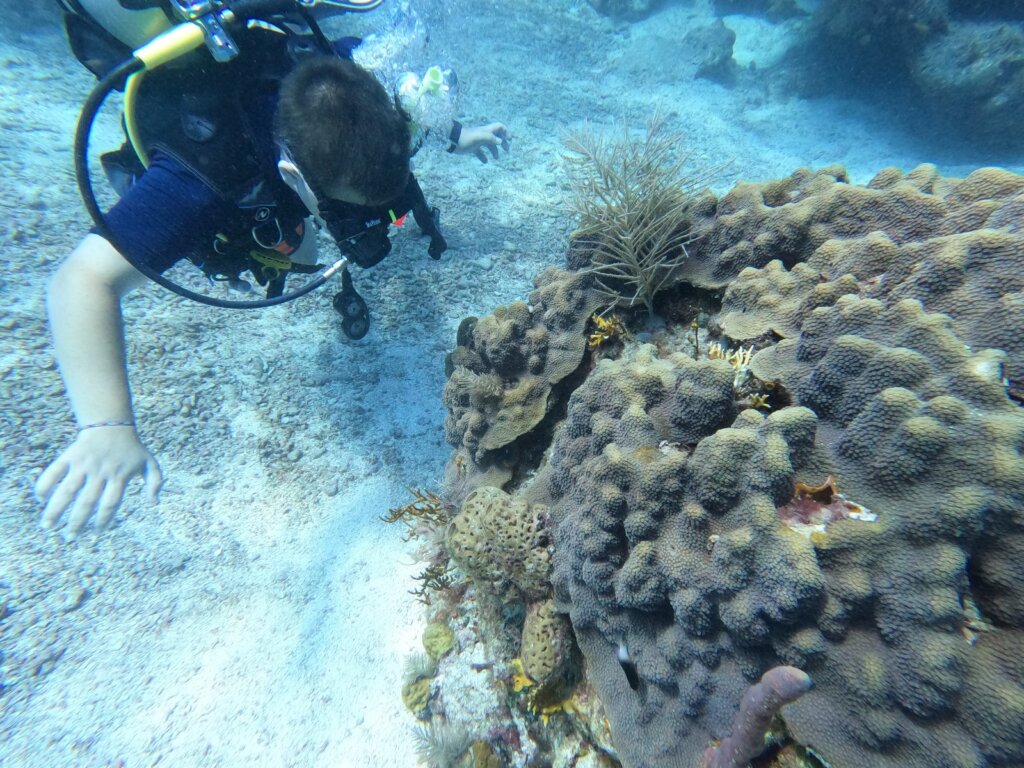
Expectations shape satisfaction, so here is a realistic picture. At snorkel depth you will mostly see parrotfish, sergeant majors, butterflyfish, small wrasse, giant clams and the occasional pufferfish over healthy hard coral and seagrass. At snuba depth of four to six metres, the coral becomes more three-dimensional, with table corals, anemones and clownfish, and you are more likely to spot sea cucumbers and blue starfish on the bottom. On an intro dive at ten metres you reach the richer layer of the reef where schools of fusiliers, groupers hiding under ledges, lionfish, moray eels and sometimes a hawksbill turtle appear. None of these are guaranteed, and visibility drops after heavy rain, but the depth ladder is real: each upgrade shows noticeably more life per minute.
Which Should You Choose? Decision Guide
Choose snorkeling if you are travelling on a budget, with young children, or simply want to relax. Choose snuba if you are a confident swimmer who wants to see coral from a few metres down without a course, or if your group includes people of mixed comfort levels. Choose an intro dive if you have always wanted to try scuba, are medically fit, and can spend a longer half-day plus a higher budget. If you feel panic in water, begin with snorkeling and upgrade later once you are comfortable.
Many travellers do all three across a week: snorkel on the first tour, try snuba on a rest day, and book a discovery dive near the end. That ordering builds confidence and avoids wasting money if you discover you do not enjoy underwater breathing.
Booking Tips and What to Bring
Book intro dives and snuba the day before; popular shops fill up in peak season from December to May. Ask how many guests per instructor, how long you will actually spend underwater, whether photos or a GoPro are included, and whether the price covers the marine park fee. Bring reef-safe sunscreen, a rash guard, a towel and a waterproof bag. Eat lightly beforehand, hydrate, and avoid alcohol the night before. Finally, tell your guide about any ear problems or anxiety so they can pace the session. Respect the reef by keeping fins off coral, and review the local eco-tourism fee and sustainability rules to understand what your payments support.
Frequently Asked Questions
Is snuba safer than scuba diving?
Snuba removes some risks because the tank stays at the surface and depth is limited, but it still involves breathing underwater and needs a proper briefing. Neither activity is risk-free.
Do I need a certification for an intro dive in El Nido?
No. A discovery dive is designed for non-certified people and is done with an instructor after a briefing and medical questionnaire.
Can non-swimmers try snuba or snorkeling?
Non-swimmers can snorkel with a flotation vest on guided tours. Snuba and scuba typically require basic swimming comfort, so confirm with the operator.
How deep do you go on snuba?
Usually about 3 to 6 metres, limited by the length of the air hose.
What is the minimum age for an intro dive?
Many shops accept children from about 10 years old, subject to medical clearance and instructor approval. Ages vary by operator.
Can I fly after an intro dive?
Divers Alert Network recommends waiting at least 12 hours after a single no-decompression dive and 18 or more after repeated dives; many guides advise 24 hours to be safe.