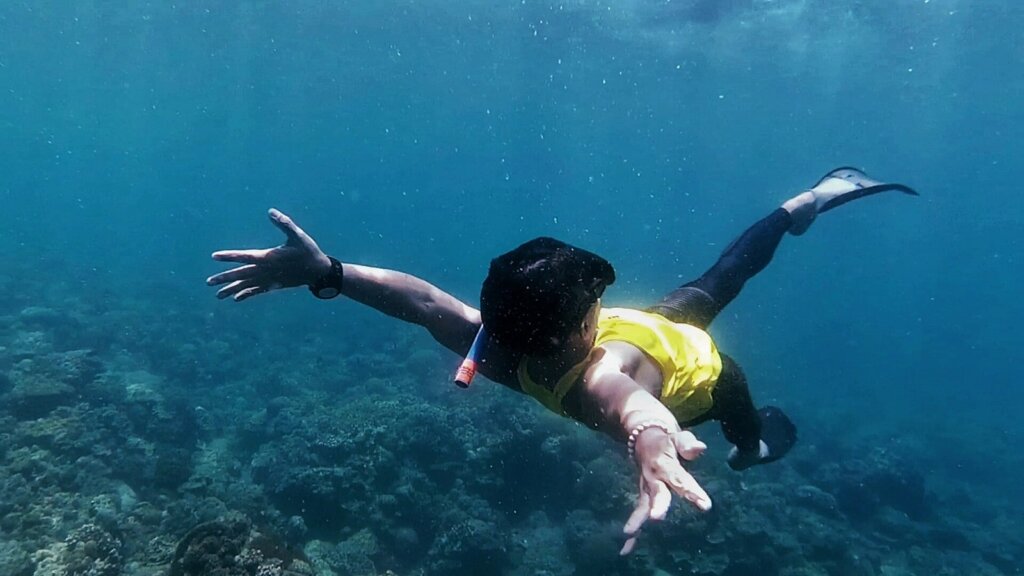

Most visitors come to El Nido for the limestone cliffs and the turquoise lagoons, and most divers come looking for walls and schools of fish. A smaller group quietly hunts for something else: the tiny, strange animals that live on sand, rubble and coral rock. This guide focuses on macro diving specifically for divers and underwater photographers who prefer a nudibranch the size of a fingernail to a passing barracuda, and it explains how to find the dives, the gear and the guides that make it work.
- What Macro Diving Actually Means
- Creatures Divers Commonly Look For
- Conditions: Season, Visibility and Currents
- Gear That Helps on Macro Dives
- Underwater Photography Tips for Beginners
- Choosing a Macro-Savvy Dive Operator and Guide
- Diving Ethics: Looking Without Harming
- A Sample Macro Dive Day
- Combining Macro Dives With Island Hopping
- Skills to Build Before You Go
- Safety Considerations
- Final Thoughts
- Frequently Asked Questions
What Macro Diving Actually Means
Macro diving is about small subjects viewed up close. Instead of covering distance, you move slowly, often on a shallow slope, searching crevices, sponges, sea whips and sand. It rewards patience, calm breathing and good buoyancy far more than speed or depth. The dives are usually longer, shallower and gentler than wall dives, which makes them a good fit for newly certified divers and for experienced divers who want a relaxed day.
Bacuit Bay sits within the wider marine environment of northern Palawan, a region the Philippine government promotes through the Department of Tourism and protects through local conservation rules. The bay’s mix of reefs, sand patches, seagrass and rocky points gives macro life many places to hide.
Creatures Divers Commonly Look For
The list below is based on what divers in the region generally report, not a promise for any single dive. Behaviour, season and luck decide what you see.
| Critter group | Typical habitat | What to look for | Photography difficulty |
|---|---|---|---|
| Nudibranchs | Reef rock, sponges, rubble | Bright colours, feathery gills, tiny size | Easy to moderate |
| Seahorses and pipefish | Seagrass, sea whips, soft coral | Thin shapes clinging to stalks | Moderate, subject moves |
| Shrimps and crabs | Anemones, urchins, coral heads | Transparent bodies, tiny claws | Moderate to hard |
| Frogfish and scorpionfish | Sponges, rock, sand | Camouflage that looks like a sponge or stone | Easy once found |
| Cephalopods | Sand, rubble, reef edges | Octopus, cuttlefish, colour changes | Hard, fast and shy |
Many of these animals are camouflaged, so a good guide matters as much as a good camera.
Conditions: Season, Visibility and Currents
Calmer weather in the drier months tends to give easier boat access and clearer water, while the wetter months can bring wind, waves and cancelled departures. Macro diving is somewhat forgiving because the subjects are close, so moderate visibility is rarely a deal-breaker. Current is more of a concern, since a strong flow makes it hard to hover over a subject without kicking up silt. Ask your operator which sites are sheltered on the day you dive, and always check forecasts through the PAGASA weather service before finalising plans. Our seasonal pages, including El Nido weather in October, can help you choose your dates.
Gear That Helps on Macro Dives
You do not need specialist gear to start, but a few items improve your experience:
- A pointer or stick to steady yourself on dead rock without touching living coral.
- A small torch with a narrow beam for illuminating crevices and revealing colour.
- A magnifying glass or lens attachment if you shoot with a compact camera.
- A neutral-weight setup, because floating above the bottom is better than resting on it.
- A surface marker buoy and whistle for safety on boat dives.
If you do not own gear, most operators rent regulators, BCDs and tanks. Our scuba diving guide to sites and prices covers what a dive centre typically provides.
Underwater Photography Tips for Beginners
Macro photography is one of the easiest ways to take impressive underwater images, but it punishes sloppy technique. Start with a compact camera in a housing or an action camera with a macro lens, and focus on slow, deliberate shooting. Approach from the side, not from above, since most small animals perceive a looming shape as a threat. Use a continuous video light or a strobe at a gentle angle to avoid backscatter. Take a few frames, move back and let the subject relax.
The most important rule is to keep your fins, hands and camera away from the reef. Photographers sometimes damage coral by bracing themselves on it to steady a shot. Practise hovering in a pool or a shallow sandy spot before you try anything on a live reef.
Choosing a Macro-Savvy Dive Operator and Guide
Dive centres differ in how they run dives. A macro dive led by a guide who is spotting tiny animals for photographers feels completely different from a general fun dive led at a steady pace. Before booking, ask these questions:
- Do you run dedicated macro or critter dives, or only general reef dives?
- How many divers does each guide lead, and are groups kept small?
- Do guides carry a pointer and torch to find animals?
- Are camera rules explained at the briefing?
- What is your policy on touching or moving animals?
Check that the operator is affiliated with a recognised training agency, such as PADI, and ask to see current insurance and safety procedures. Read our travel insurance guide to confirm your policy covers diving to the depths you plan to dive.
Diving Ethics: Looking Without Harming
Small animals are fragile, and the attention macro divers give them can do harm if handled badly. Never move a seahorse to a better background, never use a stick to nudge a shy creature into the light, and never overcrowd a single subject. If three divers are already watching an animal, wait your turn from a distance. Healthy reefs are the reason these species exist, and responsible diving keeps them that way. Marine protection in the Philippines is overseen in part by the Department of Environment and Natural Resources, and local rules may restrict anchoring, collecting and some activities.
A Sample Macro Dive Day
A typical morning starts with a briefing at the dive shop, where the guide explains the plan, maximum depth and turnaround air. The boat travels to a sheltered site, and you descend slowly to a shallow slope. Over the next hour, you spend long minutes in a small area, with the guide pointing to a nudibranch on a rock, a shrimp inside an anemone or a pipefish on a sea whip. Between dives, you rest on the boat, hydrate and compare photos with other divers. Because the dives are shallow, your no-decompression time is generous, so you can often log a long bottom time.
Combining Macro Dives With Island Hopping
Many travelers spend one or two days diving and the remainder on the standard island tours. If you plan both, put the diving first. Rules about flying after diving require a surface interval before you board an aircraft, which usually means avoiding a dive on your last day. Our guide to island hopping versus a private boat charter can help you structure the non-diving days, and the medical guide explains where to go if something goes wrong.
Skills to Build Before You Go
The single most useful skill for macro diving is buoyancy control. If you tend to bounce between the surface and the bottom, consider a Peak Performance Buoyancy specialty course or a refresher dive before you start hunting for small animals. A diver who can hover motionless a few centimetres above the sand will see more, disturb less and use less air. Trim matters too: a horizontal body position keeps your fins well above the silt and stops you from stirring a cloud that ruins the shot for everyone.
Practise slow, shallow breathing. Rapid breathing makes you rise and fall with each breath, and it rattles the bubbles near a nervous animal. Practise hand signals for common critter finds, and agree with your buddy on a signal for “come and look, quietly”. These small habits are what separate a rushed fun dive from a productive macro session.
Safety Considerations
Because macro dives involve staring into small spaces, divers can lose track of depth, time, air and their buddy. Check your gauge every few minutes, set a dive computer alarm and look up periodically to confirm where the group is. Many dangerous marine animals look unremarkable, including scorpionfish, stonefish and some urchins, so never put a bare hand on the bottom. If you are stung or cut, let your guide know straight away, rinse the wound and seek medical advice as soon as you are on land.
Also remember the basic rules of the sea around Palawan: do not dive alone, do not push your limits because a good subject is just out of reach, and keep to the turnaround pressure agreed in the briefing. A relaxed, conservative dive is also the dive that gives you the most bottom time.
Final Thoughts
Macro diving rewards curiosity. In El Nido it gives you a reason to slow down in a destination that rushes everyone from lagoon to lagoon, and it shows a quieter side of the bay. Choose a good guide, keep your buoyancy honest, and let the tiny things surprise you.
Frequently Asked Questions
Do I need to be an advanced diver for macro dives in El Nido?
Not necessarily. Many macro dives are shallow and gentle, so an Open Water certification is often enough. Your operator will set limits based on your certification, logged experience and the specific site, so tell them honestly what you have done.
What macro animals can I realistically expect to see?
Divers commonly report nudibranchs, shrimps, crabs, pipefish and a range of small reef fish, with occasional seahorses, frogfish or cephalopods. Marine life is never guaranteed, so treat any rare species as a bonus.
When is the best season for macro diving here?
Calmer months generally bring better visibility and easier boat days, which usually means the drier season. Weather and sea state still vary year to year, so check forecasts and speak to your operator close to your dates.
Can I take a camera on a macro dive?
Yes, but macro photography needs good buoyancy. Practise holding a still position near the reef without touching it, and discuss camera rules with your guide before the dive.
Is macro diving suitable for snorkelers?
Shallow reef flats and seagrass patches can reward patient snorkelers with small creatures, but the best critter spots tend to need scuba. Our snorkeling guides cover what is visible from the surface.
How much should I budget for macro dives?
Dive prices change often, so use our scuba diving guide for pricing context and request a current quote from two or three operators before booking.