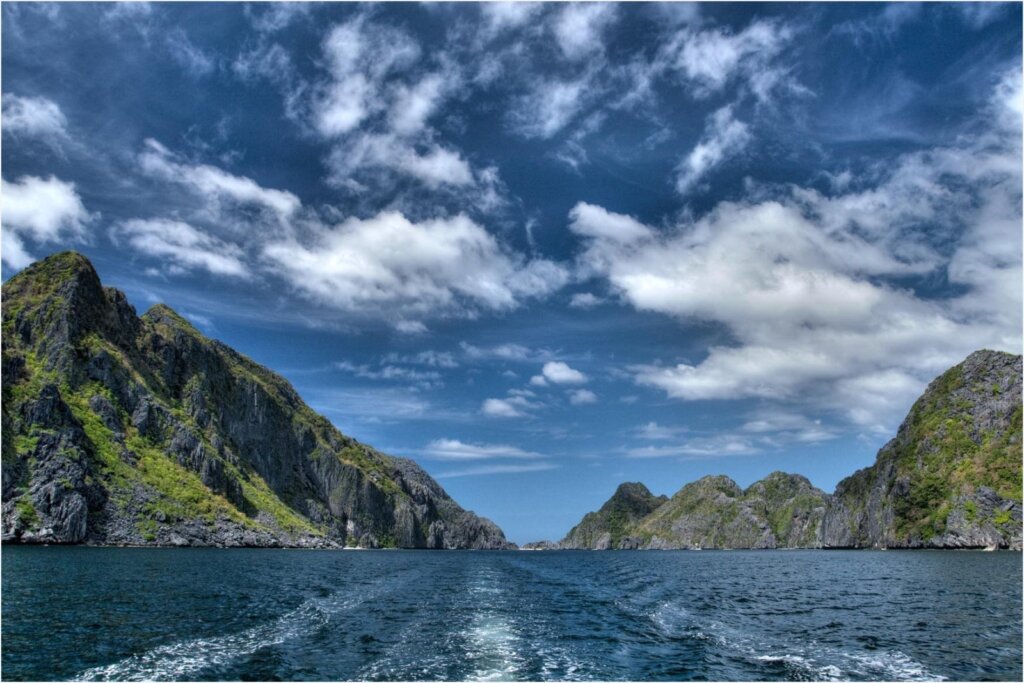
Most snorkelers in Bacuit Bay chase turtles and big schools of fish, then swim right past the tiny creatures that make a reef fascinating. This listicle focuses on small marine life specifically for snorkelers who already know the basics and want to see more in the same 30 minutes. You will learn seven things to look for, where they tend to hide, the season and light that help, and how to observe them without harming anything.
- Why Small Creatures Reward Slow Snorkeling
- The Seven Small Creatures to Look For
- Quick Comparison: Where and When to Find Each One
- How to Spot Tiny Animals: A Step-by-Step Method
- Snorkel Etiquette to Keep the Reef Healthy
- Photographing Small Marine Life
- Planning Your Best Small-Life Snorkel Day
- Frequently Asked Questions
Why Small Creatures Reward Slow Snorkeling
Big animals are unpredictable, but small ones stay put. A clam, a sea slug or an anemone occupies the same patch of reef for weeks or months, so a patient snorkeler who scans carefully will usually find them. Slowing down also helps in practical ways: you conserve energy, keep fins away from coral, and let fish forget you are there. Our broader marine life and underwater guide covers the larger species, while this article zooms in on the details.
Before you start, make sure your mask fits and does not fog; if it does, follow the tips in our foggy mask fixes. Beginners should read the snorkeling beginners guide first.
The Seven Small Creatures to Look For
1. Giant clams
Giant clams and their smaller relatives, sometimes called boring clams, have thick, fluted shells and fleshy mantles in vivid blues, greens and purples. The mantle shrinks in a flash if a shadow passes over it. They live embedded in reef rock or resting on sand in shallow, sunlit water. They are protected in many countries because of past overharvesting, so look but never touch, and do not pry one open.
2. Anemonefish
Anemonefish, better known as clownfish, live inside sea anemones and defend them fiercely. Look for orange or brownish fish darting in and out of tentacle clusters on rocky slopes. Keep your distance; stressed anemones close up and fish lose their shelter.
3. Nudibranchs
Nudibranchs are sea slugs, often startlingly colorful, ranging from a fingernail to a hand in length. They crawl slowly over rock and coral and are easiest to find in calm, clear water. You will spot more on a slow drift over reef edges than in open water.
4. Cleaner shrimp and wrasse
Cleaning stations are small territories where tiny shrimp or wrasse pick parasites off larger fish. Watch a fish hover motionless with fins spread; that is usually a sign it is being cleaned. Do not put your hands in; cleaner shrimp may nibble at skin.
5. Feather duster worms and tube worms
These sprout brightly colored spirals from tubes in rock or coral. They retract instantly when startled, so approach slowly and hold your position for a few seconds to see them reopen.
6. Sea stars and sea cucumbers
Sea stars and sea cucumbers crawl over sand and rubble patches between coral heads. Resist picking them up; handling can injure them, and sunscreen residue on your hands harms their delicate skin.
7. Camouflage masters
Pipefish, scorpionfish, small octopus and cuttlefish rely on camouflage. Scan the reef for shapes that do not quite belong, or a pair of watchful eyes. Never touch: some scorpionfish are venomous, and an octopus that is harassed will flee or bite.
Quick Comparison: Where and When to Find Each One
| Creature | Typical habitat | Difficulty to spot | Best conditions |
|---|---|---|---|
| Giant / boring clams | Shallow reef flats, embedded in rock | Easy once you know the color | Bright sun, calm water |
| Anemonefish | Anemones on reef slopes | Easy | Any clear day |
| Nudibranchs | Reef edges and rubble | Hard | Slow, patient search with low waves |
| Cleaner shrimp and wrasse | Cleaning stations near ledges | Medium | Midday visibility |
| Tube and feather duster worms | Rock and coral surfaces | Medium | Still, calm water |
| Sea stars and cucumbers | Sand and rubble patches | Easy | Any calm day |
| Camouflaged animals | Reef crevices and seagrass | Very hard | Patience and good guide |
Availability changes with season, tide and site, so ask your boatman which snorkel stop is best on the day you go.
How to Spot Tiny Animals: A Step-by-Step Method
- Start with calm water. Choose stops that are sheltered on the day; chop makes small details invisible.
- Float, do not kick. Use slow, gentle movements or let the current carry you. Kicking stirs sand and scares life away.
- Scan in zones. Look at the reef edge, then the base, then the gaps between rocks. Small animals hide in crevices.
- Look for color and movement. A flash of blue or a twitch of a tentacle is often your clue.
- Stay still for ten seconds. Feather dusters reopen, clams relax, fish return.
- Use a waterproof torch on overcast days. It restores reds and oranges that water absorbs at depth.
- Ask your guide. Boatmen know where clams and anemones sit and can point them out safely.
Snorkel Etiquette to Keep the Reef Healthy
Small animals are the most vulnerable to careless snorkelers because they cannot flee. Never stand on coral or rubble, keep at least an arm’s length from anything alive, and do not chase or feed marine life. Wear a rash guard rather than heavy sunscreen; if you do use lotion, choose one from our reef-safe sunscreen guide. For deeper reading on protecting the reef, see the coral conservation guide.
Follow local rules and fees, and remember that collecting shells, coral or clams, alive or dead, is illegal in many protected areas. The PADI Project AWARE and IUCN resources explain why, and the DENR publishes Philippine environmental regulations.
Photographing Small Marine Life
Small creatures make excellent photo subjects, but macro shots underwater are harder than they look. Use a phone with a waterproof case or an action camera set to a macro-friendly mode, keep the lens clean, and shoot at eye level with the animal instead of from above. Avoid flash, which stresses some animals and creates backscatter from suspended particles. Our underwater photography guide covers settings and housing options in more detail.
Patience Beats Gear
Ten quiet seconds near a clam or feather duster is worth more than any lens upgrade. Position yourself, wait for the animal to relax, then take several frames before drifting on.
Safety Notes for Detail-Hunting Snorkelers
Concentrating on tiny subjects makes it easy to lose track of your surroundings. Lift your head every minute to check for boat traffic and current, stay within sight of your guide, and wear a life jacket if you are not a confident swimmer. Jellyfish and stinging hydroids can be nearly invisible, so read the jellyfish sting safety guide and carry vinegar or basic first aid on the boat.
Watch the sun as well. A long, motionless float keeps your back exposed, so wear a long-sleeve rash guard, and apply lotion to your neck and the backs of your legs.
Planning Your Best Small-Life Snorkel Day
Choose a morning slot when winds are usually light and the sun is high enough by mid-morning to light the reef. Ask the boat crew for a quiet stop where you can spend at least 30 minutes rather than the standard 15 to 20. If possible, avoid weekends and peak holidays, when crowded stops mean more kicked-up sand and less wildlife.
What to Bring
Pack a well-fitting mask and snorkel, a rash guard, a small waterproof torch, a water bottle, and a phone pouch. A small waterproof notebook or an app on your phone for identification after the trip turns a pleasant swim into a memory you can share.
After the Trip
Note what you saw and where. Reporting unusual sightings, damaged reef or trash to a guide helps local conservation efforts, and sharing accurate, responsible photos encourages other travelers to look closely instead of collecting souvenirs.
A Simple Scorecard for Your Trip
Turn the hunt into a game for friends or family. Give one point for each creature type you find, and bonus points for spotting a cleaning station or a nudibranch. Kids and competitive adults alike tend to stay calmer and more observant when there is a goal, which is exactly the mindset that lets you see tiny animals. Keep a tally on the boat, compare notes on the ride back, and ask your guide to identify anything you could not name.
Why Tiny Animals Matter for the Whole Reef
Small creatures are not just decoration. Cleaner shrimp keep fish healthy, sea cucumbers recycle nutrients in the sand, and clams filter water and shelter other organisms. A reef with plenty of small life is usually a reef in good condition, so every sighting is a quiet indicator of health. When you notice fewer creatures at a busy stop, that is useful feedback for local managers, and reporting it to your operator helps them rotate visits to give the area time to recover.
Common Mistakes to Avoid
The most frequent errors are swimming too fast, kicking the bottom, and grabbing for something that looks interesting. Others include wearing a loose mask that leaks, skipping the pre-trip briefing, and photographing with flash. Fix these and your sightings will jump.
Frequently Asked Questions
Are giant clams found in El Nido?
Giant and boring clams are found on reefs in parts of the Philippines, and snorkelers sometimes see them in shallow water around Palawan. Ask your boatman which stop is best on your day.
Is it safe to touch small sea creatures?
No. Touching can harm the animal, and some species sting, bite or carry venom. Look with your eyes only.
What is the best time of day to spot small marine life?
Mid-morning to early afternoon usually has the best light and visibility on calm days.
Do I need special gear to see nudibranchs?
No, but a well-fitting mask, calm water and a slow pace help. A waterproof torch can bring out color on overcast days.
Can I take a shell or coral home as a souvenir?
No. Collecting shells and coral is restricted or illegal in many protected areas, and it removes homes and food from the reef.