Divers planning a Philippine trip often ask whether to head north to Palawan or stay close to Manila at Anilao. This guide focuses on that comparison specifically for certified divers deciding between a scenic island-hopping trip and a critter-focused dive holiday. Both destinations are excellent, but they reward very different interests, so the right choice depends on what you want to photograph, how much time you have and how you like to travel.
- The Short Answer
- Getting There and Time Needed
- Marine Life: Macro Critters vs Seascapes
- Side-by-Side Comparison
- Skill Level and Certifications
- Costs and Budgeting Differences
- Diving Responsibly in Both Destinations
- Gear, Packing and Practical Tips
- Seasons and Conditions
- Who Should Choose Which
- Sample Itineraries
- Frequently Asked Questions
The Short Answer
Choose Anilao, in Mabini, Batangas, if macro life excites you: nudibranchs, frogfish, seahorses, ghost pipefish and other small, colorful animals. Choose El Nido if you want a mixed trip that combines easy dives, snorkeling, dramatic limestone scenery and island-hopping, especially if some people in your group are not divers. Anilao is a diver’s destination first; El Nido is a scenery and adventure destination that also happens to have good diving.
If you can add more days, many divers do both on separate trips. For a broader view of how El Nido stacks up against other Philippine hubs, read our comparisons of El Nido vs Coron and El Nido vs Cebu.
Getting There and Time Needed
Anilao sits on the Calumpan Peninsula in Batangas and is generally reached by road from Metro Manila in roughly three hours, depending on traffic. That makes it popular for long weekends and short trips, and it needs little connecting travel.
El Nido, in northern Palawan, takes more planning. Most visitors fly into Puerto Princesa and continue by road, or take a direct flight to the small airport serving El Nido. Allow at least a full day of transit on each end, and add buffer time for weather. Check our guide to weather apps for El Nido before locking in tight flight connections.
Marine Life: Macro Critters vs Seascapes
Anilao’s reputation rests on muck-style and reef macro diving. Guides spot tiny subjects under rubble and on sponges, and underwater photographers return again and again for the variety. Visibility can be moderate, and the draw is the subject, not the water clarity.
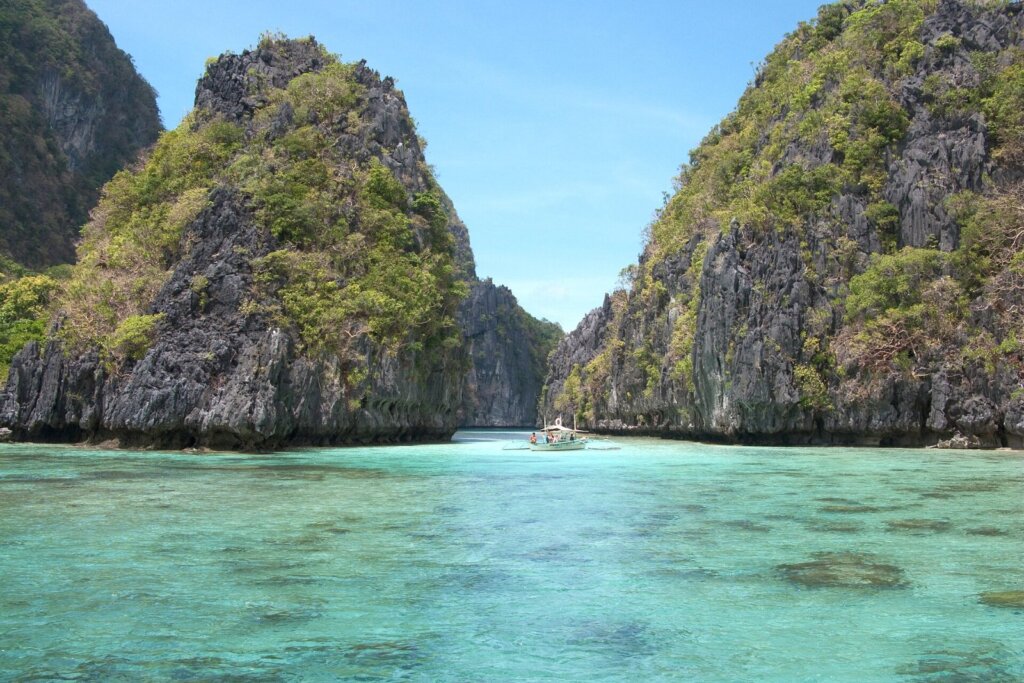
El Nido’s underwater scenery is more about coral gardens, schooling reef fish, walls and rock formations, with turtles seen on some outings. The above-water landscape is the true star, with limestone cliffs rising from clear lagoons. You can read more about the underwater side in our El Nido open water diving guide.
Side-by-Side Comparison
Use this table to compare the two destinations at a glance. Details such as prices, visibility and conditions change by season and operator, so confirm specifics with your dive shop.
| Factor | El Nido (Palawan) | Anilao (Batangas) |
|---|---|---|
| Main draw | Scenery, lagoons, snorkeling plus diving | Macro life and critter photography |
| Travel from Manila | Flight plus road; plan a transit day | Roughly a few hours by road |
| Best for | Mixed groups, divers and non-divers | Dedicated divers and photographers |
| Typical dive style | Boat dives around islands and reefs | Boat and shore-adjacent dives near resorts |
| Beginner friendliness | Good: calm bays and many shops | Good, though many sites favor experience |
| Non-diver activities | Extensive: tours, beaches, kayaking | Limited: mostly resort time and snorkeling |
| Trip length that works | 5 to 8 days | 2 to 5 days |
Notice that Anilao rewards focus, while El Nido rewards variety. That distinction should guide your decision more than any single dive site.
Skill Level and Certifications
Both destinations suit new Open Water divers, but in different ways. El Nido offers sheltered bay conditions on many days and a mix of dive shops that run courses; see our reviews of dive shops offering PADI certification and our comparison of PADI vs SSI.
Anilao can include moderate currents at some sites, and macro diving demands excellent buoyancy to avoid damaging delicate habitat. If your buoyancy is still developing, consider practicing with a Peak Performance Buoyancy specialty before you go. You can learn about course options at PADI.
Costs and Budgeting Differences
Exact prices shift with season, operator and exchange rates, so use this section to understand the structure of costs rather than to quote numbers. In Anilao, many travelers book a resort package that bundles room, meals and a set number of boat dives. That makes budgeting simple, and the total tends to be predictable. In El Nido, accommodation, meals, diving and tours are usually paid separately, which gives you more control but requires more tracking.
Transport is the other major variable. Anilao needs a road transfer from Manila, which can be shared. El Nido adds airfare or a long van ride, so budget for flights, baggage fees for dive gear and a buffer night in case of delays. If you plan to dive only a few days and spend the rest sightseeing, the El Nido mixed-activity model can feel better value. If you plan to dive every day, a package in Anilao is often more economical per dive.
Whichever you pick, ask what is included: tanks, weights, guide, marine park fees and lunch. Hidden extras are the usual cause of budget overruns.
Diving Responsibly in Both Destinations
Healthy reefs are the reason both places are worth visiting, so a few habits matter. Keep your fins above coral and sand, secure dangling gauges, and never touch or chase animals. Macro diving in Anilao is especially sensitive, because photographers can be tempted to reposition critters for a better shot. Resist that, and follow your guide’s lead.
In El Nido, use reef-safe sun protection on the boat and in the water; our guide to reef-safe sunscreen in El Nido explains what to look for. Do not feed fish, avoid anchoring on coral, and carry out any waste you bring on board. Good operators brief you on these points; if yours does not, ask.
Gear, Packing and Practical Tips
Bring your own mask, computer and delayed surface marker if you own them, because fit and familiarity improve comfort and safety. Rental gear is available at both destinations, but quality varies, so inspect regulators and BCDs before accepting them. For El Nido, pack a dry bag, a light rash guard and a hat for the boat. For Anilao, a thin wetsuit or shorty is useful during longer macro dives when you hover in one spot.
Leave margin around flights. Most agencies advise waiting at least 12 hours after a single no-decompression dive and 18 hours or more after multiple dives or multi-day diving before flying, and some recommend longer; check current guidance from your agency or DAN. This is a practical reason to finish diving a full day before you leave, especially when heading from a small island airport.
Finally, carry cash for tips, small purchases and places that do not accept cards. Mobile signal can be patchy offshore and in remote areas, so download offline maps and keep copies of your certification card and insurance details.
Seasons and Conditions
Philippine dive conditions depend on monsoon patterns. Both areas are generally friendlier in the drier months, roughly late in the year through the following spring, though local conditions vary and typhoons can disrupt schedules anywhere in the country. Always monitor PAGASA advisories close to departure.
Travel insurance that covers diving and emergency evacuation is wise for either trip. Divers should also learn the basics of decompression safety from Divers Alert Network.
Who Should Choose Which
Choose El Nido if you…
- want a holiday that mixes diving with island-hopping, kayaking and beaches
- travel with partners or family who snorkel but do not dive
- care as much about the scenery above water as the life below
- have at least a week and can handle a longer journey
Choose Anilao if you…
- are an underwater photographer chasing macro subjects
- have only a few days and want short, simple transfers
- prefer a quiet resort where every day revolves around diving
- are comfortable with focused, slower dives close to the bottom
If you are unsure whether you want to dive at all, our guide on scuba vs snorkeling in El Nido can help you decide before you commit to a certification.
Sample Itineraries
Five days in Anilao
Day 1 arrival and check-dive. Days 2 to 4 are two or three boat dives daily with guided macro hunting. Day 5 is a morning dive followed by a safe gap before travel, remembering no-fly guidelines.
Seven days in El Nido
Arrive, then spend two days on island-hopping tours to understand the bay. Add three days of diving or a course, with a rest day for kayaking or beaches, and keep a final buffer day for weather-related delays.
Combined two-week plan
Begin in Anilao for macro diving while jet lag fades, then fly to Palawan for scenery and relaxation. Finish with a rest day at the end so your last dive is well separated from your flight home.
Frequently Asked Questions
Is El Nido or Anilao better for beginners?
Both work. El Nido has sheltered bays and many course providers, while Anilao has experienced guides but some sites with currents. A beginner who also wants a holiday will usually prefer El Nido.
Which destination is better for underwater photography?
Anilao is generally the choice for macro photography because of the variety of small subjects. El Nido suits wide-angle and mixed above-and-below photography.
Can non-divers join a trip to Anilao?
They can, but options beyond snorkeling and resort time are limited. El Nido offers far more for non-divers.
How many days do I need for El Nido diving?
Plan at least five to eight days in total, including transit and buffer time for weather.
Do I need to worry about flying after diving?
Yes. Follow your agency and Divers Alert Network guidance on no-fly intervals, and avoid scheduling a dive on your departure day.
Can I do both in one trip?
Yes, by combining them in a two-week itinerary with a flight between Manila and Palawan.