
Few things tempt a beach walker like a perfect spiral shell lying in the sand, and El Nido has plenty of them. But what you slip into a pocket on Day 2 can become a customs headache at the airport and a small loss for a fragile reef. This guide focuses on shells, coral and marine souvenirs specifically for first-time visitors who want to bring something home without breaking the law or the ecosystem.
- Why This Question Comes Up in El Nido
- What the Law Generally Says
- Shells, Coral and Marine Items: A Quick Comparison
- Common Beach Finds and What to Do With Them
- How to Spot a Problem Souvenir Before You Buy
- Better Souvenirs From El Nido
- How to Enjoy the Beach Without Collecting
- Teaching Kids and Friends the Leave-It Habit
- Packing and Airport Checklist
- Frequently Asked Questions
- The Takeaway
Why This Question Comes Up in El Nido
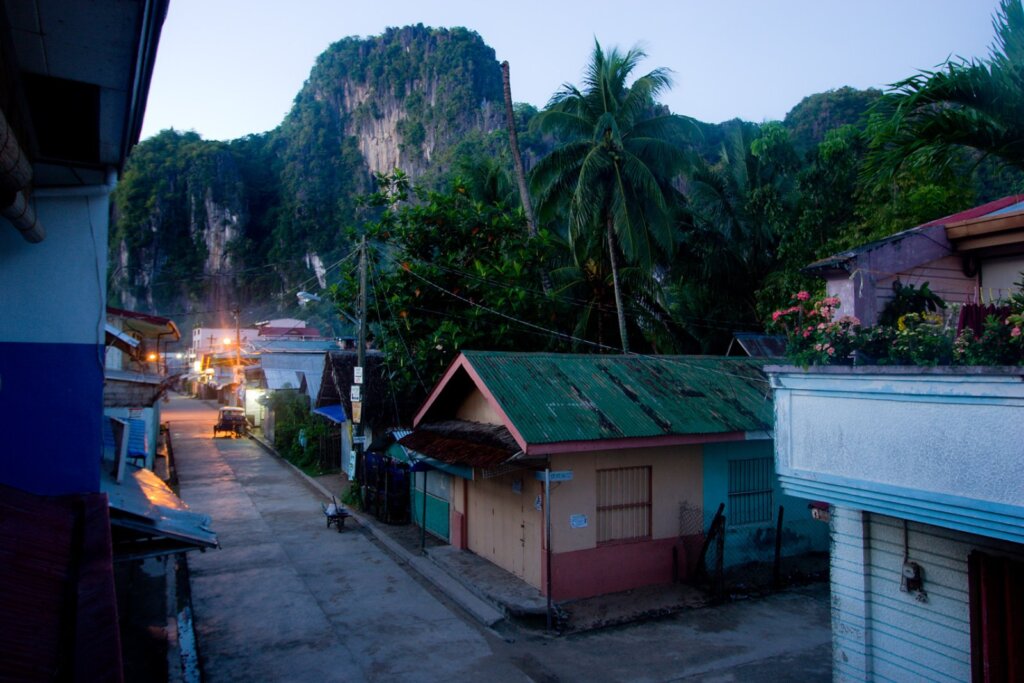
El Nido sits inside the El Nido-Taytay Managed Resource Protected Area, one of the largest marine protected areas in the Philippines. Its limestone cliffs, seagrass beds and fringing reefs are the reason people come, and they are also why the rules are firmer here than on a typical resort beach. Every shell that is hauled out of the water is a potential hermit crab home, and every coral fragment is part of a structure that took decades to grow.
Visitor numbers have grown steadily, and a pocketful of shells multiplied by thousands of visitors adds up. The local government and the Department of Environment and Natural Resources (DENR) therefore treat souvenir collection as a conservation issue rather than a harmless hobby. You can read the national position on the DENR website.
What the Law Generally Says
Philippine law protects wildlife and aquatic resources through several statutes, including the Wildlife Resources Conservation and Protection Act and the Philippine Fisheries Code. In practical terms, travellers should assume the following:
- Gathering, possessing, selling or exporting coral, living or dead, is prohibited.
- Many marine species, including giant clams, some large gastropods and sea turtle products, are protected or restricted.
- Collecting anything inside a marine protected area can carry additional penalties on top of national law.
- International trade in many species is controlled under CITES, which your home country’s customs agency enforces.
Laws change and local ordinances differ, so treat this as general orientation rather than legal advice. When in doubt, ask your hotel or the local tourism office before you pack anything.
Shells, Coral and Marine Items: A Quick Comparison
| Item | Typical Status | Practical Advice |
|---|---|---|
| Live shells with an animal inside | Not allowed | Put it back exactly where you found it, in the water. |
| Small empty shells on the beach | Gray area; tolerated in tiny amounts | Better to photograph; check rules before flying. |
| Coral, including dead pieces | Prohibited | Never collect; may be seized and fined. |
| Giant clam and large triton shells | Protected or restricted | Do not buy or carry. |
| Sand, rocks and driftwood from protected beaches | Discouraged or restricted | Leave in place. |
| Locally made crafts from coconut, rattan or cashew | Legal and encouraged | Buy directly from makers when possible. |
Common Beach Finds and What to Do With Them
Most of what washes up on El Nido’s shores falls into a few familiar categories, and each one has a sensible response.
Cowries and tiny spiral shells
These are the shells most visitors want. Even when they look empty, hermit crabs often move into them, so check by holding the shell still for a few seconds. If nothing emerges, photograph it, then return it to the sand above the tideline so it stays in the local recycling system of shells and crabs.
Cone shells
Cone shells are beautiful and some species are venomous to humans when a live animal is handled. This is a safety reason, not only a conservation one, to never pick up a shell that is still occupied. Look with your eyes and let the animal go about its day.
Broken coral rubble
White fragments on the beach look harmless, but they count as coral under most enforcement approaches. Rubble also forms part of the habitat for small reef creatures and helps stabilise the shoreline. Leave it, and tell younger travellers why it stays.
Starfish and sea cucumbers
Never lift these out of the water for photographs. Handling stresses them and sunscreen on your hands can harm them. If a guide offers you an animal to hold, politely decline and keep the memory in a wide shot instead.
How to Spot a Problem Souvenir Before You Buy
Ask where it came from
A responsible vendor can tell you whether a piece was made from cultivated material, recycled material or a legal source. Vague answers, pressure to buy fast, or a claim that “everyone takes them” are warning signs.
Check the material
Branching, sponge-like or tree-shaped pieces are almost certainly coral. Polished large spiral shells and whole giant clam valves are also red flags. If it came out of the sea, assume it is regulated until proven otherwise.
Think about the journey home
Even a legal item can be mistaken for a prohibited one during an X-ray scan. A confiscated souvenir and a missed connection is a poor trade for a trinket. The same logic applies to anything you plan to carry on island-hopping boats; see our island hopping tour comparison for how guides usually brief guests on beach etiquette.
Better Souvenirs From El Nido
You do not have to leave empty-handed. The town and nearby barangays offer plenty of items that carry the place with them and cost the environment nothing.
- Woven goods: bags, hats, mats and baskets made from local fibres.
- Food gifts: dried mango, cashew nuts and coconut-based sweets, all easy to carry in checked luggage.
- Art and prints: small paintings, postcards and photographs by local artists.
- Soap and oil: handmade coconut oil products, which also double as reef-friendly personal care.
- Experiences: a cooking class, a kayak trip or a guided hike is a souvenir that fits in any suitcase. Browse ideas in our El Nido activities guide.
How to Enjoy the Beach Without Collecting
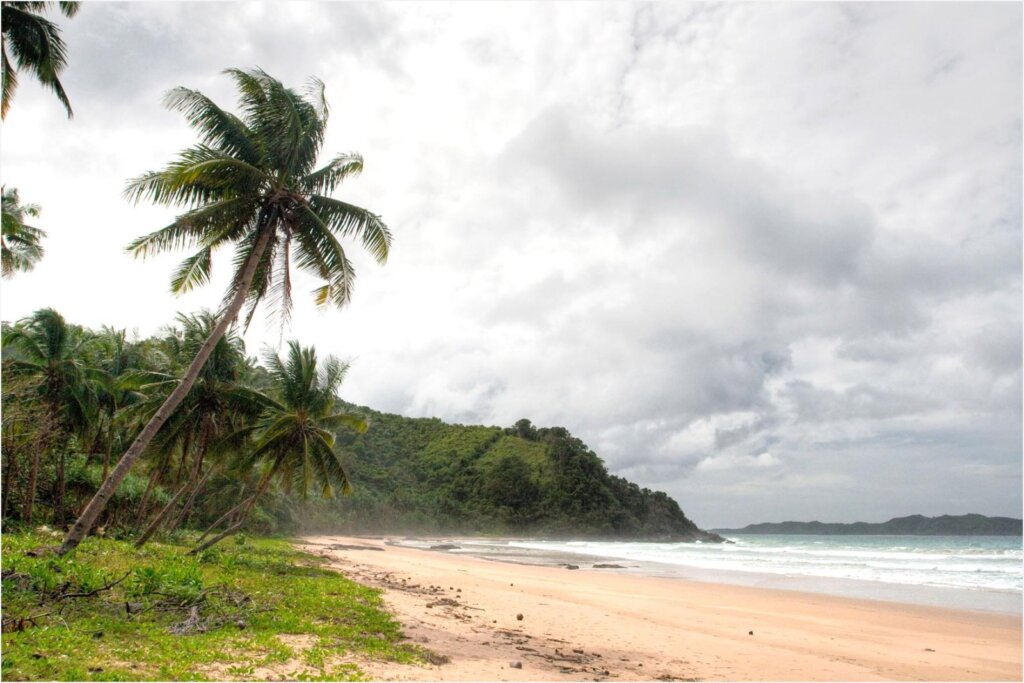
The simplest change is to swap collecting for photographing. Place a shell on the sand, take a macro photo, and put it back. Children enjoy this version just as much, and it turns a beach walk into a small scavenger hunt rather than a harvest.
A few other habits help too. Do not stand on coral when snorkelling, wear a rash guard instead of heavy sunscreen when you can, and pack out every piece of rubbish. Our single-use plastic rules for visitors explains the local bans, and the hidden beaches guide lists quieter stretches where leaving no trace matters even more.
Teaching Kids and Friends the Leave-It Habit
Groups tend to copy the loudest collector, so it helps to set the tone early. Before a beach day, agree on a simple rule: we look, we photograph, we leave. Offer a small challenge such as finding five different shapes or colours and capturing them on a phone, then returning each one. Children respond well to the idea that shells are homes, and adults usually follow once the habit is framed as protecting something rather than being denied something.
If someone in your group does pocket a shell, there is no need for drama. Return it quietly to the same stretch of beach and move on. The point is the pattern across thousands of visitors, not one person’s moment of curiosity.
Packing and Airport Checklist
Before you zip your bag, run through this short list. First, empty your pockets and beach bag, because shells have a way of hiding in side pockets. Second, check any new purchases for labels or receipts that show where they came from. Third, keep souvenirs in your carry-on if they are fragile so you can explain them if asked. Finally, if you are unsure, leave it behind. The full list of what to bring on a trip lives in our El Nido packing list.
For wider travel planning, the Philippine Department of Tourism publishes visitor guidelines, and the PADI community shares marine-friendly travel practices that apply equally to snorkellers and divers.
Frequently Asked Questions
Can I take a seashell from an El Nido beach?
Technically, shells that are empty and found loose on the sand are tolerated in small quantities for personal keepsakes in many places, but protected species, large specimens and anything taken from reef or marine-park areas are not. The safest rule is to photograph shells and leave them where they are.
Is it illegal to take coral from the Philippines?
Yes. Philippine wildlife and fisheries laws prohibit gathering, selling and exporting corals, including dead coral pieces, and enforcement is stricter inside protected areas such as the El Nido-Taytay Managed Resource Protected Area.
Will airport security check my bag for shells and coral?
They can. Philippine airport staff and the destination country’s customs both screen for wildlife products. Items that look like coral or large shells may be confiscated, and in serious cases the traveller can be fined.
What can I buy instead of shells?
Look for locally woven bags and mats, cashew products, cold-pressed coconut oil, dried mango, handmade soap, and art or prints from local artists. These support residents without costing the reef anything.
Are shell necklaces sold in El Nido markets legal to buy?
Some vendors sell items that are legal, but it is hard for a visitor to verify the species or origin. If a seller cannot say where a piece came from, skip it, and never buy anything that looks like black coral, giant clam or triton shell.
The Takeaway
The best El Nido souvenir is a story and a photo, with maybe a bag of dried mango on the side. Leave the shells and coral where they are, buy from makers you can talk to, and the lagoons will look the same when the next traveller arrives. If you are still planning, start with our transportation guide and build the rest of your trip around it.