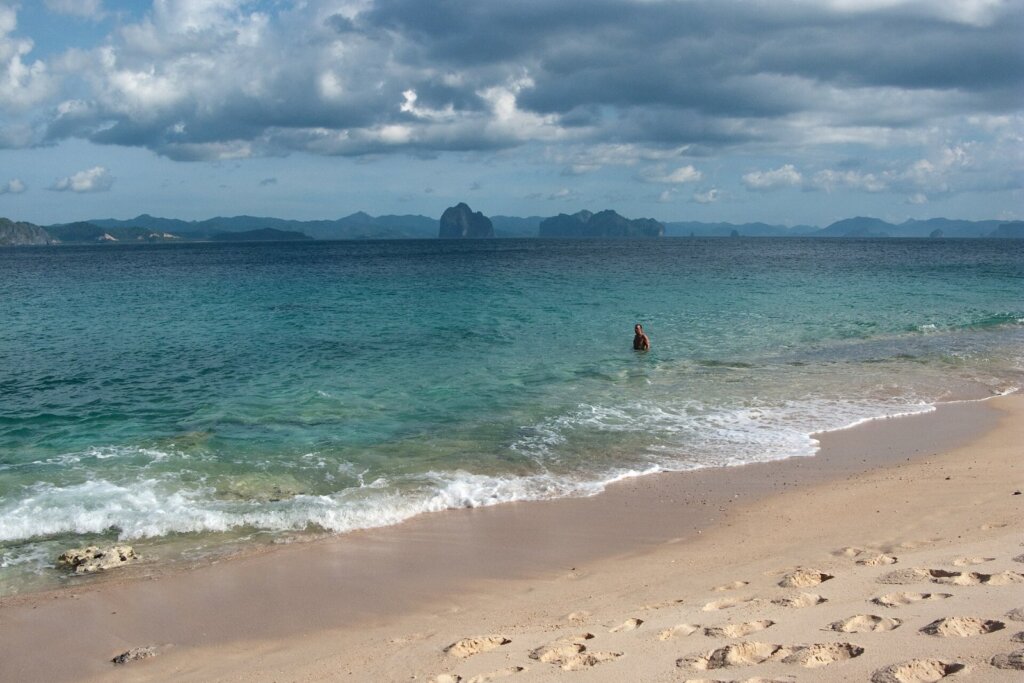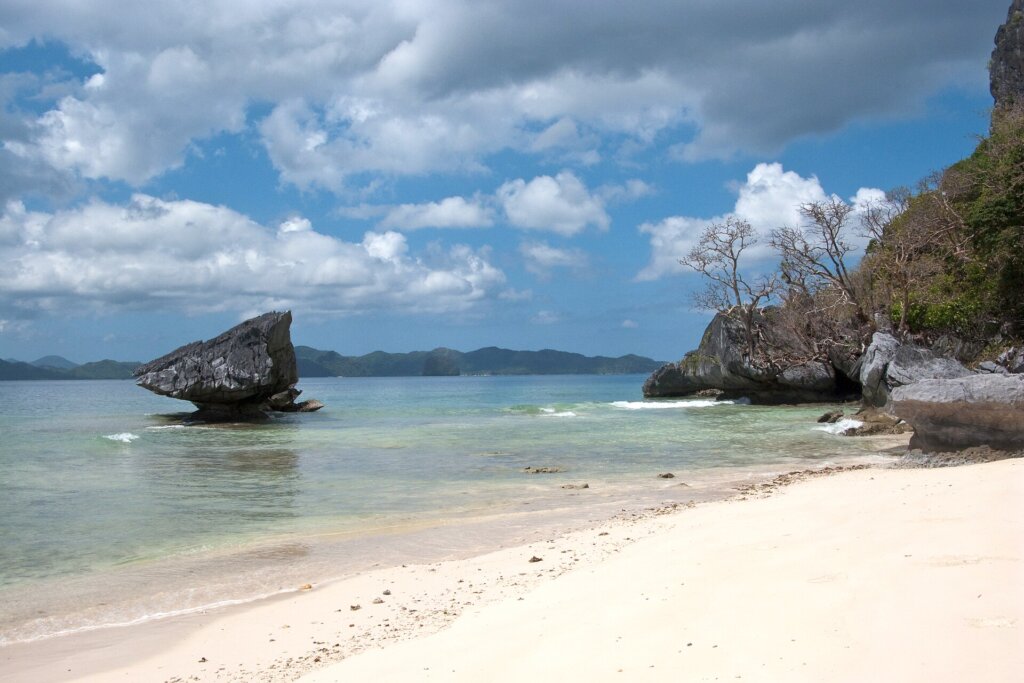

Eloping in El Nido means trading the guest list for limestone cliffs, warm water and a sunset that does the decorating for you. This guide focuses on elopements specifically for couples traveling alone or with one or two witnesses, rather than full wedding parties. It explains ceremony styles, the legal side, timing, photography, budgets and a realistic day plan, so you can plan a small, meaningful day without surprises.
- Why Couples Choose El Nido to Elope
- Ceremony Styles Compared
- The Legal Side: What to Know Before You Go
- Timing Your Ceremony Around Light and Weather
- Photography and Videography
- Budget Planning
- A Sample Elopement Day Plan
- Getting There and Where to Stay
- Choosing a Celebrant, Planner or Going Solo
- What to Wear and Pack
- Small Touches That Make It Personal
- Respect, Permissions and Leave-No-Trace Rules
- Frequently Asked Questions
Why Couples Choose El Nido to Elope
El Nido offers something rare: dramatic scenery within a compact, easy-to-navigate town. Within minutes you can reach a beach, a viewpoint or a boat, which makes it practical to build a ceremony around the light rather than around travel time. Small resorts, local photographers and boat crews are used to romantic requests, so you do not need a large production to feel taken care of.
If you are weighing a bigger celebration, our wedding planning guide and wedding venues guide cover groups and full packages. The rest of this article is written for the two-person or tiny-group elopement.
Ceremony Styles Compared
There are several ways to shape the day, and the right choice depends on your comfort with boats, your budget and how much privacy you want. The table summarizes the most common styles.
| Style | Setting | Best for | Main trade-off |
|---|---|---|---|
| Beach vows at sunset | A quiet beach near town or a resort shoreline | Simple, romantic and low stress | Other visitors may pass by |
| Private boat ceremony | A chartered boat anchored near a lagoon | Privacy and dramatic scenery | Weather and sea conditions |
| Clifftop or viewpoint | A hilltop with bay views | Photographers and adventurous couples | A hike and limited seating |
| Resort garden | Hotel lawn or terrace | Reliable setup and easy logistics | Less wild scenery |
| Sandbar or secluded island | A remote strip on a tour route | Truly private moments | Tides and permission rules |
The Legal Side: What to Know Before You Go
An elopement can be a symbolic ceremony or a legal marriage, and the two are very different in terms of paperwork. A symbolic ceremony has no legal requirements, so many couples complete their legal marriage at home and hold the beach ceremony in Palawan purely for the experience. A legal marriage in the Philippines involves documents, an authorized officiant and waiting periods, and rules for foreign nationals differ by country.
Requirements change, so treat any summary as a starting point. The Philippine Statistics Authority publishes civil registry information at psa.gov.ph, and your embassy can explain the documents it issues, such as a certificate of legal capacity to marry. Start this process several months before travel, because translations, authentications and appointments take time. Ask your planner or local officiant to confirm each step in writing rather than relying on assumptions.
Timing Your Ceremony Around Light and Weather
Light shapes every photograph, so build the day around it. Golden hour in the hour before sunset gives warm color and softer shadows, while early morning offers calm water and fewer people. Our sunrise and sunset times by month helps you choose a ceremony time, and the golden hour photography guide explains where the light is best.
The driest, calmest months generally fall between roughly December and May, which makes them the safest choice for boat ceremonies. In the rainy season you can still elope, but build in a backup date and a covered indoor option. Check forecasts on PAGASA as your date approaches and agree a weather-call time with your planner the day before.
Photography and Videography
Photography is often the most valuable part of an elopement budget, because it is what you will keep. Look for a photographer who has worked in El Nido, ask to see a full gallery rather than a highlight reel and confirm how many hours are included, when you will receive images and whether raw files or edits are provided. If you want a pre-ceremony couple session, our prenup shoot spots guide lists locations that work well.
Drones create stunning footage but are regulated, so read our drone photography rules and ask your photographer to confirm permissions. Bring a small bag with a dress or shirt cover, spare shoes for sand, a hairbrush and a portable fan, as the humidity can be demanding.
Budget Planning
Costs vary widely with style, season and vendor, so treat any figure as a rough guide and request written quotes. The main line items are the celebrant or officiant, the photographer, flowers and styling, hair and makeup, boat or venue costs, transport and a celebratory dinner. A simple beach ceremony with a photographer will cost far less than a private boat with a full styling package.
- Decide your maximum budget first, then allocate roughly half to photography and venue or boat.
- Ask for itemized quotes and confirm what is included in each package.
- Keep a contingency of around ten percent for weather changes or overtime.
- Confirm payment methods and deposit refund terms in writing.
- Tip crews and helpers in cash and keep small bills handy.
A Sample Elopement Day Plan
Start with a relaxed breakfast and hair and makeup in the morning, then rest through the hottest hours. Meet your photographer about ninety minutes before golden hour for portraits, move to the ceremony location about thirty minutes before sunset and exchange vows as the light softens. Follow with sunset portraits, then finish with a candlelit dinner on the beach or at a quiet restaurant. If you prefer a boat ceremony, schedule it for the morning when seas are generally calmer, and plan a late lunch afterward. Share the schedule with everyone involved the day before, including your driver, so there are no surprises.
Getting There and Where to Stay
Most couples arrive via Lio Airport or by van from Puerto Princesa, and our airport transfer guide explains the options. Arrive at least two days before the ceremony so that a delayed flight does not derail the plan, and ship nothing important that cannot be replaced locally. Choose accommodation with a quiet setting and flexible staff, and ask whether the property offers a ceremony space, a room for getting ready and a breakfast in bed option. Confirm check-in times so your hair and makeup artist can work in comfort.
Choosing a Celebrant, Planner or Going Solo
You can organize an elopement entirely yourselves, hire a local planner or book a package from a resort. Going solo is the cheapest route and suits couples who enjoy logistics, but you will be responsible for permissions, vendors and a weather plan. A planner charges a fee and in return handles vendors, timing and backup options, which is valuable if you are arriving only a few days before the ceremony. Resort packages sit in the middle: they are convenient and predictable, though styling choices may be limited. Whichever route you choose, ask for references, check recent reviews from couples who married in the last year and insist on a written agreement that lists inclusions, payment dates and the cancellation policy.
What to Wear and Pack
Heat, humidity and sand shape every clothing decision. Light fabrics such as chiffon, linen and cotton move beautifully in a sea breeze and stay comfortable, while heavy satin and long trains become a burden on soft beaches. Many couples choose a short or ankle-length dress and a linen shirt, or switch to sandals for the walk to the ceremony spot. Pack a steamer or ask your accommodation about pressing, bring a small sewing kit and safety pins, and carry attire in your cabin bag rather than checking it. Include reef-safe sunscreen, insect repellent, blotting papers, a compact umbrella and a dry bag for rings and phones if a boat is involved.
Small Touches That Make It Personal
Because an elopement has few guests, small details carry a lot of weight. Write your own vows and read them privately at sunrise before the ceremony, ask a friend to livestream the moment for family at home, or bring a keepsake such as a handwritten letter to read aloud. A local musician playing a ukulele or acoustic guitar can add warmth without taking over, and a simple arch of driftwood and tropical leaves is more in keeping with the setting than heavy decor. Finish with a quiet dinner, a toast with local drinks and an unhurried walk on the beach. These moments, not the decor, are usually what couples remember most.
Respect, Permissions and Leave-No-Trace Rules
El Nido’s beauty depends on its protected environment. Many islands and lagoons are subject to rules on group sizes, fees and conduct, and some areas restrict structures or amplified sound. Confirm permissions through your planner, and avoid anything that leaves a mark: no confetti, no balloons that can drift into the sea and no flowers that are not biodegradable. Carry out everything you bring, thank the boat crew and be gracious to other visitors who share the spot. The Philippine Department of Tourism offers broader travel guidance. A respectful ceremony is also a better story to tell later.
Frequently Asked Questions
Do we need to be legally married in the Philippines for a beach ceremony?
No. Many couples hold a symbolic ceremony in El Nido and complete the legal marriage elsewhere. If you want a legal marriage there, confirm the requirements well in advance.
How long should we stay for an elopement?
Three to five nights is comfortable. It gives you arrival buffer, a ceremony day and a spare day for weather.
What is the best time of year?
Generally December to May offers the calmest, driest conditions, though other months can work with a backup date.
Can we have a private boat ceremony?
Yes, by chartering a boat, but it is weather-dependent and best planned with a flexible schedule and a trusted operator.
Is a photographer necessary?
Not required, but most couples consider it the most valuable part of an elopement since it preserves the day.