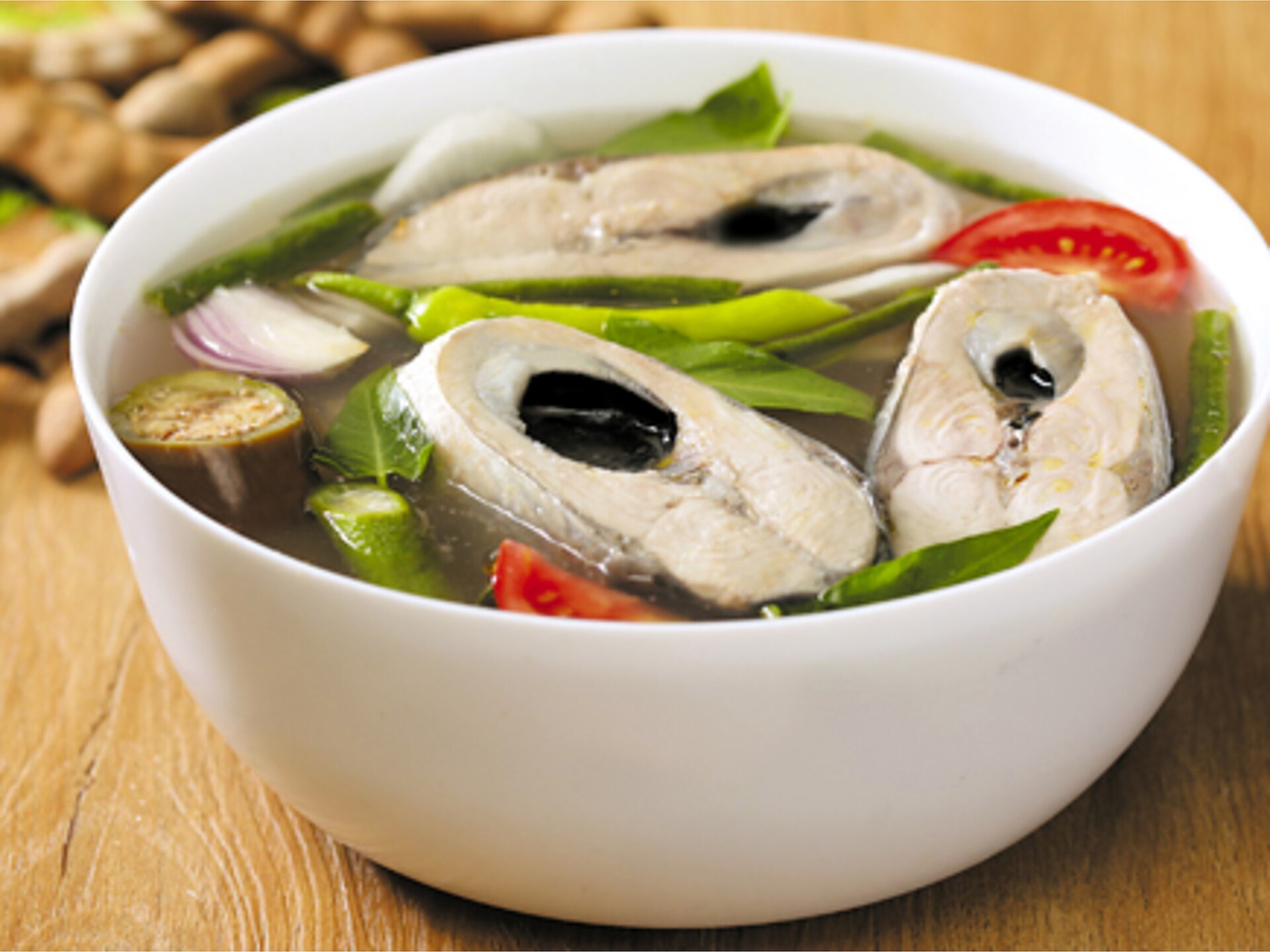
After six hours of island hopping, salt in your hair and sun on your shoulders, there is one dish Filipinos reach for: a steaming bowl of sinigang. Sour, savoury and loaded with vegetables, it is the country’s great comfort soup, and El Nido, a fishing town before it was a resort town, makes some of the best fish versions you will find anywhere in Palawan.
This guide focuses on sinigang specifically for first-time visitors and food-curious travellers who want to eat beyond the pizza-and-smoothie-bowl circuit of Calle Hama. Rather than ranking individual restaurants (menus and owners change fast in El Nido), we explain where sinigang is served, which variant suits which situation, what you should pay, and how to spot a properly made pot. The unique angle: we treat sinigang as a recovery meal for island-hopping days and rainy-season evenings, when it is at its best.
What Sinigang Is and Why It Fits El Nido
Sinigang is a broth soured with a fruit, most classically young tamarind (sampalok). The sourness is the point: it cuts through heat and humidity, wakes up a tired palate and pairs perfectly with plain white rice. The base is usually pork, shrimp, fish or beef, simmered with onion and tomato, then finished with vegetables such as water spinach (kangkong), radish (labanos), long beans (sitaw), eggplant, okra, taro (gabi) and a long green chilli for gentle heat. Wikipedia’s overview of sinigang lists dozens of regional versions.
El Nido suits sinigang for three reasons. First, the fishing fleet in Bacuit Bay lands reef fish every morning, so sinigang na isda (fish sinigang) here is made with fish caught hours earlier. Second, the town’s weather swings between punishing sun and long monsoon downpours, and sour soup works for both. Third, it is cheap, filling and hard to fake, which makes it a reliable test of any local kitchen.
Sinigang Variants: Which One to Order
Menus in El Nido usually list two to four versions. The table below summarises what you will see and who each one suits.
| Variant | Main ingredient | Taste profile | Best for | Typical price (PHP) |
|---|---|---|---|---|
| Sinigang na isda | Local reef fish (snapper, grouper, mackerel) | Light, clean, very sour | Seafood lovers, post-tour lunch | 180–450 |
| Sinigang na hipon | Shrimp | Sweet-sour, delicate | First-timers, sharing | 220–480 |
| Sinigang na baboy | Pork ribs or belly | Rich, fatty, deeply savoury | Rainy evenings, big appetites | 160–380 |
| Sinigang na baka | Beef shank or ribs | Hearty, slow-cooked | Cooler monsoon nights | 250–500 |
| Sinigang sa bayabas | Pork or fish with ripe guava | Fruity, softer sourness | Travellers who find tamarind too sharp | 200–420 |
Prices are indicative ranges for 2026 and vary between a roadside carinderia and a sit-down restaurant. A carinderia bowl with rice is at the low end; a family-sized pot at a restaurant is at the high end and feeds two or three.
Where to Eat Sinigang in El Nido
1. Carinderias in town proper
The most authentic sinigang in El Nido is ladled out of big pots at carinderias, the small turo-turo (“point-point”) eateries where you choose from dishes displayed on the counter. They cluster along the streets set back from the beach, around the public market and near the bus terminal. Sinigang often appears at lunch and sells out by mid-afternoon. Our El Nido carinderia guide explains how ordering and paying works.
2. Paluto at the public market
For the freshest fish sinigang, buy your own fish at the wet market in the morning and have it cooked at a nearby paluto stall, which charges a cooking fee per dish. Ask for “sinigang na isda” and tell the cook how sour you like it. The El Nido markets guide covers market hours and how to choose fish.
3. Filipino restaurants on Calle Hama and Rizal Street
Sit-down Filipino restaurants in the town centre serve sinigang in sharing bowls, usually alongside grilled seafood, adobo and lechon. Expect a cleaner presentation, more meat and higher prices than at carinderias. These are the easiest option if you want air-conditioning, card payment or a menu in English.
4. Corong-Corong and Lio area kitchens
The sunset strip at Corong-Corong and the Lio Beach development both have restaurants with Filipino sections on their menus. Quality varies, but sinigang na hipon is commonly offered and pairs well with a sunset table.
5. Island-hopping boat lunches
Some tour crews cook simple lunches on the beach, and on cooler or rainy days a pot of sinigang occasionally replaces the usual grilled fish. It is not guaranteed, but if you book a private boat you can request it in advance; see how to book a private boat charter in El Nido.
How to Recognise a Good Sinigang
- Clear, not muddy broth. A good fish sinigang is translucent with a slight cloudiness from tamarind, not grey or oily.
- Sourness that hits first, then fades. The first spoonful should make you blink; the finish should be savoury, not chemical. Many home cooks use instant tamarind mix, which is fine, but kitchens that boil fresh tamarind produce a rounder flavour.
- Vegetables still bright green. Kangkong and long beans go in at the end. Grey, collapsed greens mean the pot has been sitting for hours.
- Fish that holds its shape. Chunks of fish should flake but not fall apart; heads and bones are normal and add flavour.
- Radish and taro that are tender. Taro is often mashed into the broth to thicken it slightly, a sign of care.
Sinigang as a Recovery Meal After Island Hopping
Here is the angle most guides miss. A full Tour A or Tour C day (compare them in our Tour A vs Tour C breakdown) means hours of sun, saltwater and swimming. Many travellers come back mildly dehydrated, slightly seasick and craving something that is neither fried nor heavy. Sinigang ticks every box: warm salty broth replaces fluids and electrolytes, the sour notes settle a queasy stomach, and rice provides quick energy. If boat motion bothers you, read our seasickness remedies guide, then plan a sinigang dinner for the evening.
Practical tip: order sinigang na isda or hipon after a hot day (lighter), and save pork or beef versions for rainy nights between June and November, when many tours are cancelled and a long, warm meal is the best entertainment in town.
Ordering Tips, Etiquette and Dietary Notes
- Always order rice. Sinigang is eaten as a viand (ulam) with rice, not as a standalone starter. Spoon broth over your rice.
- Ask “maasim ba?” (“Is it sour?”) if you are sensitive; some kitchens can make yours milder.
- Fish sauce on the side. A small saucer of patis with crushed chilli or calamansi is often provided for dipping meat or fish.
- Sharing is normal. Restaurant portions are designed for groups; one bowl plus rice and a grilled dish feeds two people comfortably.
- Dietary notes. Sinigang is naturally gluten-free unless a seasoning cube with wheat is used; ask if you are coeliac. Vegetarian versions are rare but some kitchens will make a vegetable-only sinigang on request.
- Cash. Carinderias and paluto stalls are cash-only. Carry small notes.
Best Time of Day and Year to Eat Sinigang
Carinderias cook in the morning, so 11:00 to 13:00 is peak freshness. Restaurants cook to order, so dinner is fine. Seasonally, sinigang is a year-round staple, but locals associate it most with the wet season (roughly June to November) when evenings are cooler and rain drums on tin roofs. Tamarind pods are harvested in the dry months, and some cooks switch to guava or kamias souring when fresh tamarind is scarce, giving you a chance to taste different versions depending on when you visit. For broader context on Filipino food culture, the Filipino cuisine overview and the official Philippine Department of Tourism travel site are good starting points, and the tamarind entry explains the fruit behind the flavour.
If you are self-catering in a guesthouse with a kitchen, sinigang is also one of the easiest Filipino dishes to cook yourself. Sachets of tamarind soup base are sold in every sari-sari store, vegetables are cheap at the market, and a kilo of fresh fish split between four people costs less than a single restaurant main. It is a good way to stretch a budget on longer stays.
Pairing Sinigang with Other El Nido Eats
A classic Filipino meal balances sour, salty and sweet. Pair your sinigang with a grilled dish (inihaw na liempo or grilled squid), a plate of garlic rice, and finish with a mango shake from one of the stalls in our fruit shakes and smoothie bowls guide. If you are working your way through Filipino classics, add the dishes in our El Nido street food guide to your list, and you will have eaten your way across the archipelago without leaving Bacuit Bay.
Frequently Asked Questions
Is sinigang spicy?
Usually only mildly. A long green chilli (siling haba) is simmered whole in the pot for aroma rather than heat. If you want it spicy, ask for crushed bird’s eye chilli on the side.
How much does sinigang cost in El Nido?
In 2026 expect roughly PHP 160 to 250 for a single serving with rice at a carinderia, and PHP 250 to 500 for a sharing bowl at a sit-down restaurant, depending on the protein.
Which sinigang is best for first-timers?
Sinigang na hipon (shrimp) is the gentlest introduction, with a slightly sweet broth. Fish sinigang is the most local choice in El Nido because of the fresh catch.
Can I get vegetarian sinigang in El Nido?
It is not standard, but some restaurants will prepare a vegetable sinigang without meat or fish on request. Confirm whether fish sauce or a meat-based seasoning cube is used.
When is sinigang served at carinderias?
Mostly at lunchtime. Pots are cooked in the morning and often sell out by mid-afternoon, so arrive between 11:00 and 13:00 for the best selection.