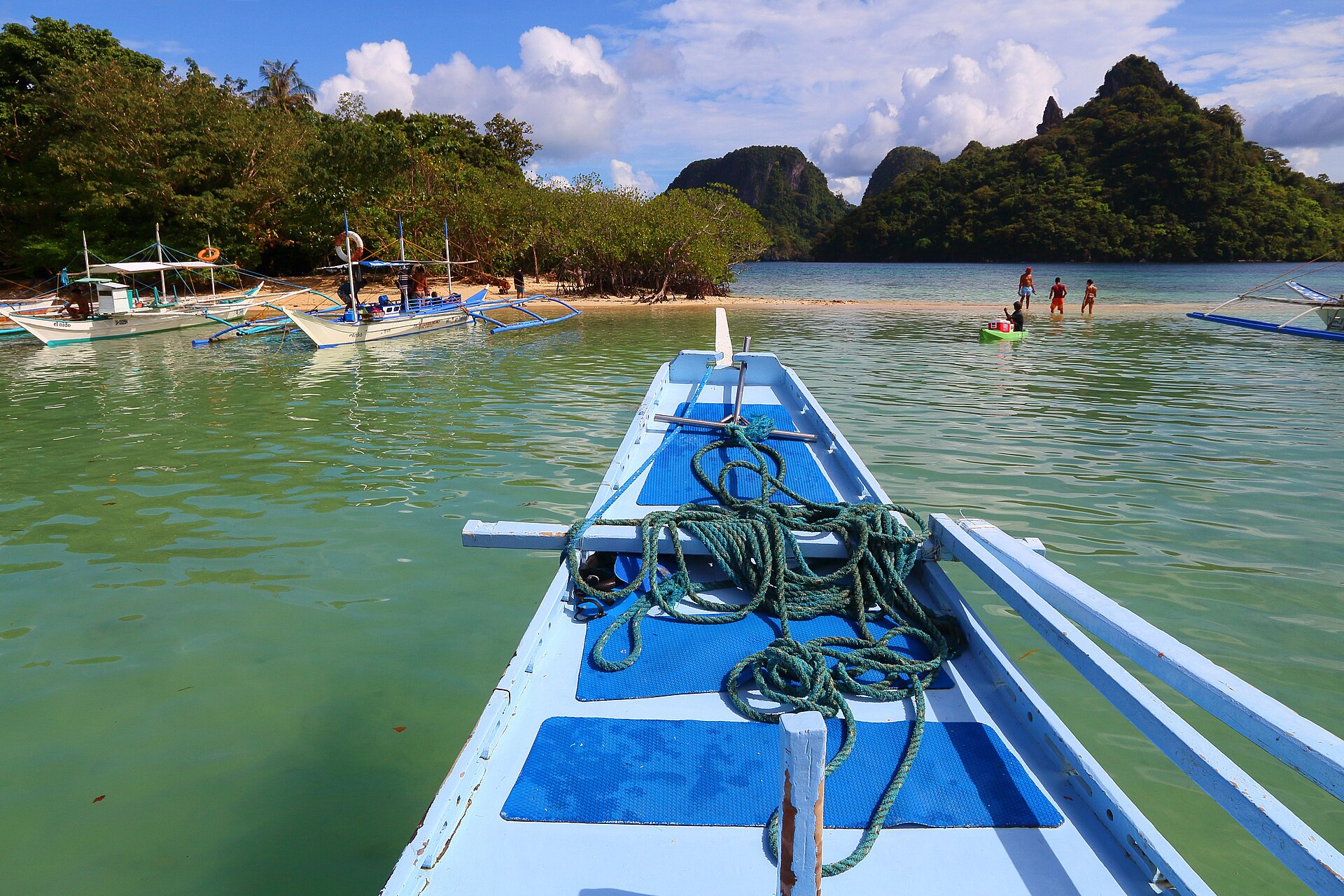
El Nido has hundreds of businesses selling island-hopping tours, from established agencies with offices on Calle Hama to a cousin-of-a-boatman with a laminated price card. Most are legitimate. A few are not: unregistered sellers, overbooked boats and missing environmental fee receipts still catch out visitors every season.
This guide focuses on verifying tour operators specifically for independent travellers who book on the ground rather than through a hotel or a big online platform. It is a practical, step-by-step checklist you can run in ten minutes at a tour desk. Our unique angle: instead of recommending “the best” companies, we show you how to check any company yourself, using the documents that local rules already require them to have.
Why Verification Matters in El Nido
El Nido sits inside the El Nido–Taytay Managed Resource Protected Area, and tourism inside Bacuit Bay is regulated by the municipality, national agencies and the protected-area management. Licensed operators must register their business, use registered boats with qualified crews, follow passenger limits, carry life jackets and collect the Environmental Tourism Development Fee (ETDF) from each guest. An unlicensed seller may skip some or all of this. The consequences range from mild (a tour that doesn’t visit the promised lagoon) to serious (an overloaded boat in rough water, or no insurance if something goes wrong). For a broader look at tricks to avoid, see our El Nido travel scams guide.
Step-by-Step: How to Verify an Operator
Step 1: Ask for the business permit
Every legitimate agency in town must hold a current Mayor’s Permit (business permit) from the Municipality of El Nido. Most display it framed on the office wall. Check that the business name matches the name on your receipt and that the year is current. A shop with no visible permit and no willingness to show one is a red flag.
Step 2: Check Department of Tourism accreditation
Accreditation by the Philippine Department of Tourism (DOT) is a national quality standard for tour operators and travel agencies. Not every small El Nido operator has it, but larger agencies usually do, and they display the DOT certificate. You can ask for the accreditation number and cross-check it on the DOT’s official channels. Accreditation is a strong positive signal, not an absolute requirement for every small seller.
Step 3: Confirm the ETDF process
Every visitor joining a tour in Bacuit Bay must pay the ETDF, an environmental fee (currently around PHP 400 per person, valid for several days; confirm the current amount locally). Licensed operators either collect it with a proper official receipt or direct you to pay it yourself. Keep the receipt or stub: you will be asked for it, and you won’t pay twice within its validity. An operator who says “no need for the fee” is either cutting corners or pocketing it.
Step 4: Ask which boat and crew you will use
Many agencies sell tours but contract boats from boat owners. Ask for the boat’s name and capacity. Passenger boats should be registered with the Maritime Industry Authority (MARINA) and operate under Philippine Coast Guard rules, which include departure clearances and weather-related no-sail orders. A good agency will happily tell you the boat name and the maximum passenger count.
Step 5: Read the inclusions in writing
A proper receipt or voucher lists the tour letter (A, B, C or D), inclusions (lunch, snorkel gear, kayak fees, life jackets), exclusions (ETDF, kayak rental at certain lagoons), pickup time and place, and the cancellation policy. If it is only verbal, ask them to write it on the receipt.
Step 6: Check the safety basics
Ask whether life jackets are provided for every passenger, including child sizes, and whether the crew carries a first-aid kit and a radio or phone. Our guide to life jackets and boat tour safety lists what to look for once you are on board.
Step 7: Confirm the cancellation policy
The Coast Guard and municipal tourism office can suspend tours when weather is unsafe. A licensed operator will refund or reschedule in that case. Ask how refunds work before you pay.
Licensed vs Unlicensed Sellers: Comparison
| Check | Licensed operator | Unlicensed seller | Why it matters |
|---|---|---|---|
| Business permit | Displayed, current year | None or “at the main office” | Basic legal standing and accountability |
| ETDF | Official receipt or clear instructions | “Not needed” or no receipt | Fee funds conservation; missing receipt causes problems on the water |
| Boat details | Boat name and capacity on request | Vague; “you’ll see tomorrow” | Overloading is a real safety risk |
| Written voucher | Inclusions, times, policy listed | Verbal promises only | Prevents disputes about lunch, kayaks and stops |
| Weather cancellations | Refund or reschedule policy | “No refunds” or unreachable | Tours are suspended in storms |
| Price | Close to standard published rates | Far below, or far above with hidden extras | Unrealistic prices often mean cut corners |
Understanding Standard Prices
Shared tours A, B, C and D in El Nido follow fairly consistent price bands because of local coordination among operators. In 2026, shared tours typically fall roughly in the PHP 1,200 to 1,800 range per person depending on the tour, plus the ETDF and any lagoon kayak fees. A tour sold at half that price should make you ask what is missing. Our Tours A, B, C and D comparison breaks down what each route includes, and the El Nido tour operators guide compares agency types.
Private boats are priced per boat, not per person, and vary with boat size and season. If you are considering one, read how to book a private boat charter for negotiation and checks specific to charters.
Red Flags to Walk Away From
- Sellers approaching you on the street who cannot show any office or permit.
- Pressure to pay in full immediately “because the boat is almost full”, without a receipt.
- Claims that the ETDF is “included” without any separate stub or official receipt.
- Promises of visiting closed or restricted sites, or of skipping queues at controlled lagoons.
- Refusal to tell you the boat name, number of passengers or departure point.
- No life jackets visible on board when you arrive at the beach.
- Combining tours or adding stops not allowed under the local tour route rules, which can lead to fines or the boat being turned back.
Questions to Ask at the Tour Desk
If you only have a few minutes, these questions cover most of the checks above and quickly separate professional operators from casual sellers:
- “Can I see your business permit?” A professional office will point to the wall without hesitation.
- “Is the ETDF included, and will I get an official receipt?” The answer should be specific, not vague.
- “What is the boat’s name and how many passengers will be on it?” Write the answer down.
- “What time and where is pickup, and what time do we return?” Compare with what other agencies tell you for the same tour letter.
- “What happens if the Coast Guard cancels tours tomorrow?” Listen for “refund” or “rebook”, not “no refund”.
- “Are kayak fees and snorkel gear included?” These are the most common surprise extras.
- “Do you have child-size life jackets?” Essential if you are travelling with kids.
Operators who answer all seven calmly and consistently are usually the ones you can trust. Hesitation, contradictions or sudden price changes are signals to try the next office along the street.
Booking Online vs Booking in Town
Online platforms add convenience and a layer of payment protection, but they resell local operators, so the same checks still apply; read the operator name on the voucher and confirm it exists in town. Booking in person in El Nido lets you see the office, meet staff and check documents, and you can often book the day before. Hotels and guesthouses also book tours; ask them which operator they use and whether they will handle refunds if a tour is cancelled.
A practical approach many repeat visitors use: book the first tour through your accommodation, observe the boat and crew, and if you are happy, book later tours with the same operator directly.
What to Do If Something Goes Wrong
If a tour is not delivered as sold, raise it first with the agency, calmly and with your receipt. If that fails, the Municipal Tourism Office in El Nido handles visitor complaints about tour operators and can mediate. For safety incidents at sea, the Philippine Coast Guard is the responsible authority. Keep photos of your receipt, ETDF stub and the boat name, which make any complaint far easier to resolve. Travel insurance that covers adventure activities and trip interruption adds another layer of protection.
Frequently Asked Questions
Do all El Nido tour operators need DOT accreditation?
Not necessarily. All must hold a valid local business permit, but DOT accreditation is a national quality standard that larger agencies typically hold. Treat it as a strong positive signal rather than a strict requirement.
What is the ETDF in El Nido?
The Environmental Tourism Development Fee is a per-person environmental fee for visitors joining tours in Bacuit Bay, currently around PHP 400 and valid for several days. Always keep the official receipt.
How much should a shared island-hopping tour cost?
In 2026 shared Tours A to D generally cost roughly PHP 1,200 to 1,800 per person, plus the ETDF and some lagoon kayak fees. Prices far below that range deserve extra questions.
What happens if my tour is cancelled because of bad weather?
When the Coast Guard or local authorities suspend tours, licensed operators normally offer a refund or rebooking. Confirm the policy in writing before paying.
Where can I complain about a tour operator in El Nido?
Start with the agency itself, then contact the El Nido Municipal Tourism Office, which handles visitor complaints. Keep your receipt and ETDF stub as evidence.