Shimizu Island is the famous lunch-and-snorkel stop on Tour A in Bacuit Bay, and for many visitors it is the highlight of the day. This guide focuses on Shimizu Island specifically for first-time Tour A travelers who want to know how much time they will really have in the water, what the beach lunch looks like, and how to avoid the usual mistakes. Expect practical numbers, a stop-by-stop comparison and honest caveats.
What Shimizu Island Is and Why Tour A Stops Here
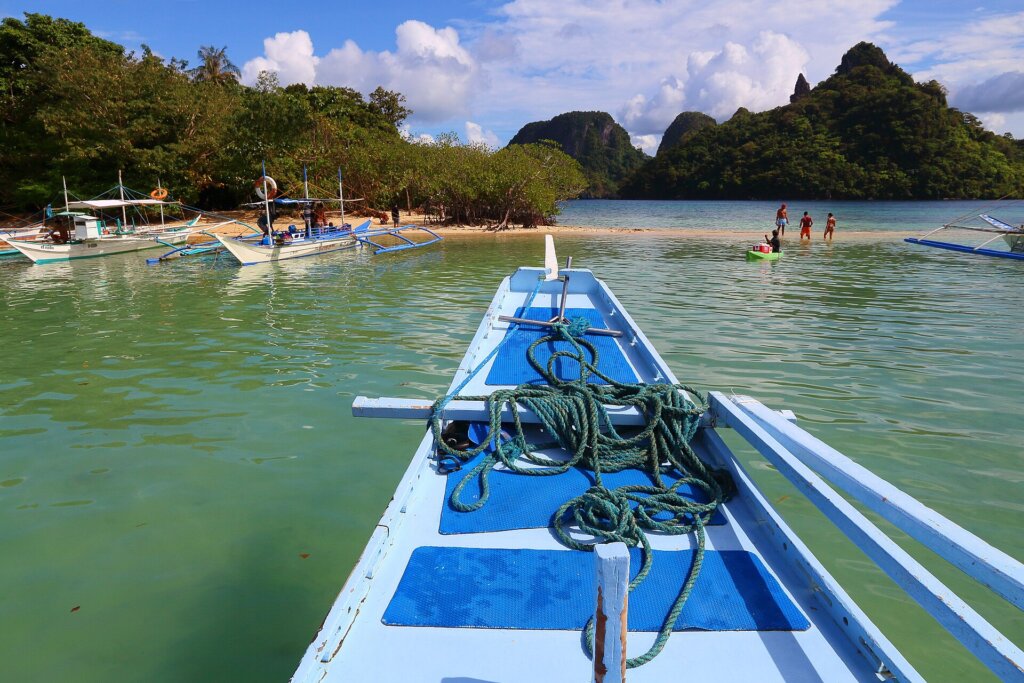
Shimizu Island is a small limestone island in the Bacuit Archipelago, a few boat minutes from El Nido town. Like most islands in the bay, it is a steep karst outcrop wrapped in green forest with a narrow crescent of pale sand and a fringing reef. It sits in the middle of the Tour A route, which is why boat operators schedule the group lunch here: the water is usually calm, the beach has shade, and the reef is only a few strokes from the shore.
The island is part of the protected seascape managed under Palawan’s conservation framework, so rules apply. You can read the wider context on the official Philippines tourism Palawan page and the Palawan provincial government site. In practice that means a mandatory environmental fee, no feeding of fish, and no touching of corals.
If you are still deciding between routes, our Tour A vs B vs C vs D comparison explains why Shimizu is the main reason people choose A.
Where Shimizu Fits in a Typical Tour A Day
Operators change the order depending on tides, weather and crowd levels, but a standard Tour A day follows a similar rhythm. The table below shows a typical flow with approximate timings. Treat the times as estimates, because your guide will adjust them.
| Stop | Typical time | Main activity |
|---|---|---|
| Small Lagoon | Morning | Kayak or swim through a limestone entrance |
| Big Lagoon | Mid-morning | Kayak, photos, swimming |
| Secret Lagoon | Late morning | Squeeze through a rock opening, short swim |
| Shimizu Island | Around midday | Grilled lunch and reef snorkeling |
| 7 Commandos Beach | Afternoon | Beach time, coconut drinks, volleyball |
Because Shimizu is often the midpoint, it is the stop where the group relaxes. If the boat reaches the lagoons early, you may snorkel here before lunch, and if lagoon queues are long you may snorkel after eating. Ask your guide the plan at the pier so you can apply sunscreen and pack accordingly.
Snorkeling at Shimizu: What You Will See
The reef off Shimizu is a shallow fringing reef, so it works for beginners and children in life jackets. Depth is usually moderate near the boat anchor and gets shallower toward the rocks. Visibility changes with swell and recent rain, so expect clearer water in the dry months and some haze after storms.
Typical sightings include schools of small reef fish, parrotfish, damselfish, sergeant majors, sea cucumbers and patches of hard coral. Sea turtles and larger fish are possible but never guaranteed, so treat them as a bonus. The PADI ocean health resources are a useful primer on responsible reef behavior before you go.
Beginner tips
Wear a life jacket even if you swim well, since boat traffic and gentle currents can surprise you. Our guide to snorkel vest vs life jacket explains which is better for each swimmer. If you wear glasses or struggle with fogging, read full-face vs classic mask before choosing rental gear.
Protect the reef
Do not stand on coral, even dead-looking coral. Keep fins off the bottom, never chase fish, and use mineral sunscreen or a rash guard. Details are in the reef-safe sunscreen guide. Coral scratches can get infected in warm water, so see coral cuts first aid if you get one.
How to snorkel safely at Shimizu
Enter the water slowly and check where the boat is before you swim away. Keep the boat or your guide within sight, because small outrigger boats move through the area and may not see a snorkeler’s head at the surface. Use a brightly colored vest or float if you can. If you feel a current pulling you sideways, do not fight it. Swim diagonally toward the shore or the boat, and signal the crew by raising an arm. Children should always stay within arm’s reach of an adult, and nobody should snorkel alone immediately after a big lunch or after drinking alcohol.
The Shimizu Beach Lunch
Lunch is cooked on the beach by the boat crew on charcoal grills. The usual menu includes grilled fish or pork, rice, sliced fruit and sometimes vegetables or noodles. Vegetarians and people with allergies should tell the operator when booking, not on the boat, because the ingredients are bought the same morning.
Plan on roughly an hour for lunch and rest. The beach is small, so many boats share it during peak season. Pick a spot in the shade early, keep your valuables in a dry bag, and bring a small amount of cash for drinks or a tip. If you are unsure how much to give the crew, the El Nido tipping guide gives realistic ranges.
Do not leave plastic behind. Boat crews usually collect trash, but anything you brought in your own bag is your responsibility to carry out.
Costs, Fees and What Is Included
Prices change by season and operator, so confirm before paying. As a rough guide, shared Tour A has historically cost about PHP 1,200 to 1,400 per person, and private boats cost far more but allow flexible stops. A separate environmental fee of around PHP 200 per person is normally collected for the Bacuit Bay protected area and is usually valid for several days, so keep the receipt if you plan a second tour.
| Item | Usually included? | Notes |
|---|---|---|
| Boat and crew | Yes | Shared with other guests |
| Lunch | Yes | Grilled fish or pork, rice, fruit |
| Snorkel gear | Often | Quality varies, see rent-or-bring advice |
| Kayak at lagoons | Often | Sometimes extra |
| Environmental fee | Usually extra | Pay once, keep receipt |
| Drinks and tips | No | Bring small bills |
If you are unsure about gear, read rent or bring snorkel gear before you pack.
Best Time of Day and Season for Shimizu
Mid-morning to midday usually offers the best light for seeing color on the reef, but also the most boats. If you can book a departure on the earlier side, you may reach the lagoons before the queue and shift Shimizu to a quieter window. The dry season from roughly December to May has the calmest seas and best visibility. During the southwest monsoon, trips can be rerouted or canceled when waves are high. Check the forecast on PAGASA or weather.com the night before.
For month-by-month patterns, see Tours A to D by month and lagoon closures and tour swaps. If sea conditions upset your stomach, boat seating and motion tips can help.
Packing List and Common Mistakes
Keep your bag light because boat space is limited. A dry bag, rash guard, reef-safe sunscreen, a hat, a towel, water shoes, a waterproof phone pouch and a small amount of cash cover most needs. Water shoes are particularly useful on the rocky entry points, and a rash guard saves you from reapplying sunscreen every time you climb back on the boat. Leave jewelry and large electronics at the hotel. A power bank is helpful for photos, though charging on the boat is not guaranteed.
Mistakes that cost you time
The most common mistake is rushing lunch to get more beach photos and then arriving at the reef tired and hungry. Eat first, rest briefly, and snorkel when your stomach has settled, especially if you get seasick. The second mistake is skipping the safety briefing, which means missing instructions about currents, boat lanes and areas to avoid. The third is assuming that every boat visits Shimizu at the same hour, then arranging a pickup or dinner reservation too tightly. Leave a buffer of at least an hour after the scheduled return, because wind, tides and lagoon queues can all push the schedule back.
Photography notes
Bring a waterproof case or action camera, but do not let filming replace looking. The best underwater shots usually come from floating quietly at the surface and letting fish approach on their own. Avoid using selfie sticks near other swimmers, and never place your phone on rocks or coral to take a timed shot, because waves can knock it into the water.
Traveling with kids or older relatives
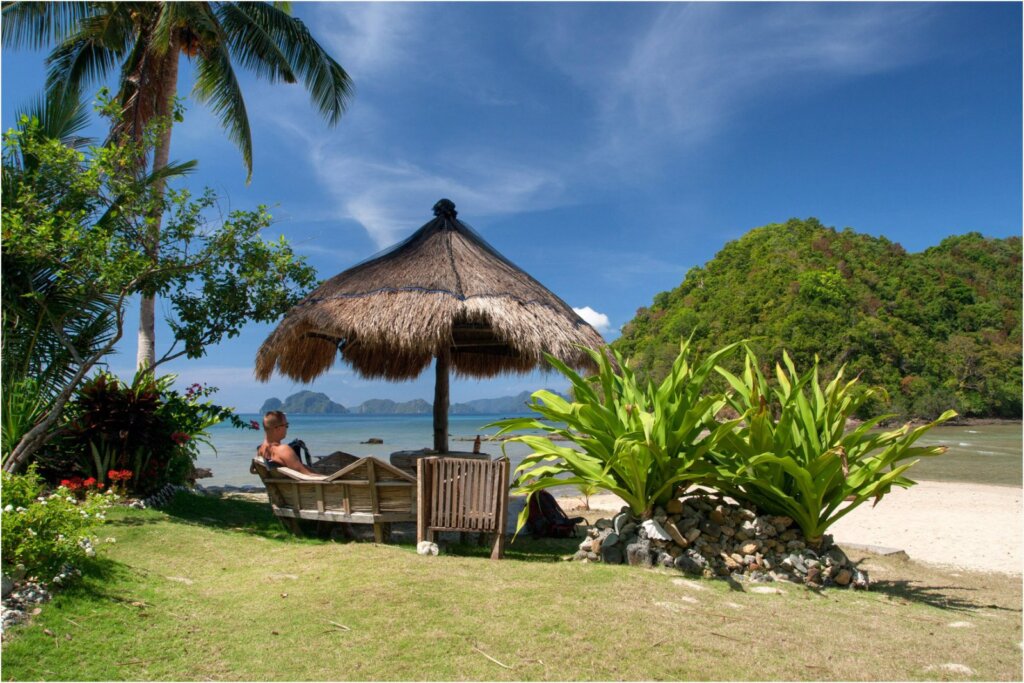
The beach is short and the entry is gentle in most places, which suits children and relaxed swimmers. Ask the crew to hold a hand on the ladder when boarding, since it can be slippery. Older travelers who prefer to skip snorkeling can still enjoy the shade, the grilled lunch and the views of the limestone cliffs, so Shimizu works well for mixed-ability groups.
Frequently Asked Questions
Is Shimizu Island good for beginner snorkelers?
Yes. The reef is close to shore and usually calm, and guides provide life jackets. Beginners should stay near the boat and avoid strong current areas pointed out by the crew.
Is Shimizu Island only on Tour A?
It is best known as the Tour A lunch stop. Other tours may pass nearby, but Tour A is the standard way to visit.
How long do you stay at Shimizu Island?
Most groups spend roughly one to one and a half hours for snorkeling and lunch, though this varies by operator and crowd levels.
Can I swim from the beach at Shimizu?
Yes, the shore entry is generally easy, but wear water shoes because rocks and coral fragments can be sharp.
Do I need to pay an environmental fee?
Yes, a per-person environmental fee is normally collected for El Nido tours. Ask your operator and keep the receipt.
What if the weather cancels the tour?
Operators may cancel or swap routes for safety. Ask about rebooking policy before paying.