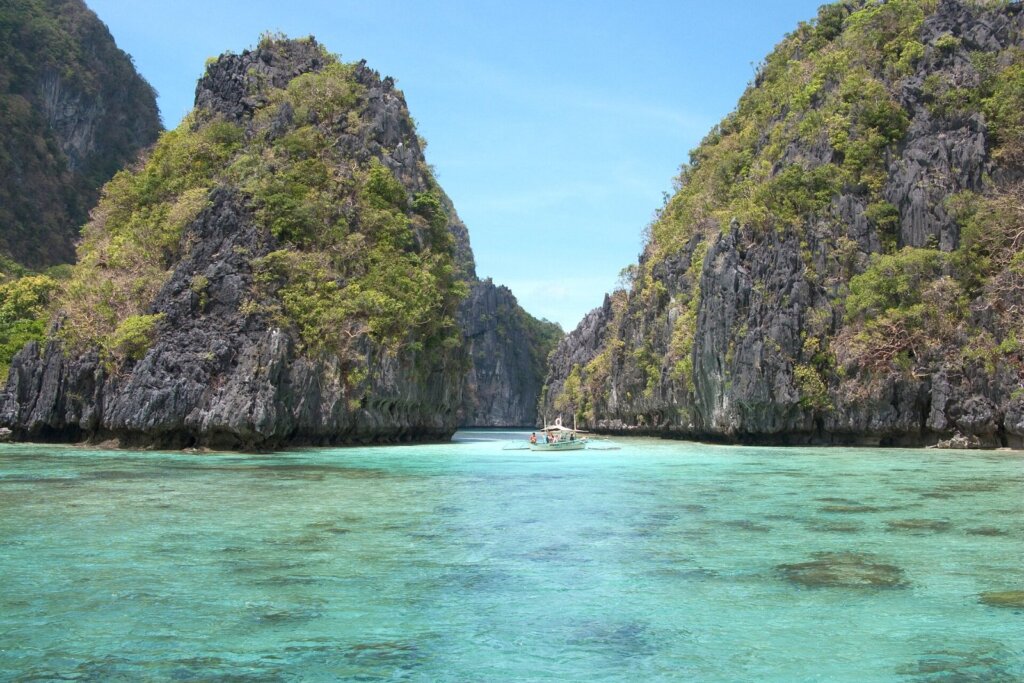
Adults can learn basic swimming in El Nido by booking a few private sessions in a resort or hotel pool through a dive shop or your accommodation, then progressing to calm, shallow beaches — plan 3–5 lessons before your island-hopping days and always wear a vest at sea.
El Nido is one of the most beautiful places in the world to be in the water, which makes it frustrating if you can’t swim. Many visitors arrive planning to “just wear a life jacket” and then realize they want more confidence for lagoons, snorkeling and jumping off the boat. This guide focuses on learning to swim specifically for adult beginners and nervous swimmers who want structured lessons during an El Nido trip of a week or more.
It is different from our El Nido for non-swimmers guide, which explains how to enjoy tours without swimming. Here our angle is building a real skill: how to find an instructor, where to practice safely, what a realistic progression looks like and how to transfer pool skills to the sea.
- Is El Nido a Good Place to Learn to Swim?
- Where to Find Adult Swim Lessons
- Overcoming Fear of Water as an Adult
- Where to Practice: Pools and Calm Beaches
- Lesson Options Compared
- A 6-Step Plan to Learn to Swim in El Nido
- Moving From Pool to Sea Safely
- Next Steps: Snorkeling, Freediving and Diving
- Key Takeaways
- Frequently Asked Questions
Is El Nido a Good Place to Learn to Swim?
Yes, with the right setup. Warm water is a big advantage: sea temperatures stay roughly 27–30°C year-round (see our water temperature by month), so you won’t tense up from cold the way you might at home. Salt water is also more buoyant than fresh water, which helps beginners float.
The challenges are that El Nido has no public swimming pools and that the sea can have waves, wind chop and currents. The solution is to learn the basics in a private pool, then progress to calm, sheltered beaches with an instructor. The World Health Organization lists basic swimming and water-safety skills as one of the most effective ways to prevent drowning, so the time you invest pays off far beyond this trip.
Where to Find Adult Swim Lessons
There is no big swim school in El Nido, so lessons are arranged informally. The usual options:
- Dive shops — many El Nido dive centers have instructors who are excellent in the water and comfortable with nervous beginners. Some offer water-confidence or swim sessions on request, especially in quieter months. Compare shops in our best dive shops guide.
- Resorts and hotels — some resorts with pools can arrange a staff member, lifeguard or partner instructor for guests. Ask the front desk before booking your stay.
- Freelance instructors — local freedivers, lifeguards and swim coaches occasionally offer private lessons. Ask in traveler groups or at your accommodation, and check their experience.
When choosing an instructor, ask about their background: water-safety or lifeguard training (for example through the Philippine Red Cross), dive-instructor credentials, or coaching experience with adults. Patience and clear communication matter more than racing times.
Overcoming Fear of Water as an Adult
For many adults, the hardest part of learning to swim is not technique but fear. Perhaps you had a bad experience as a child, never had the chance to learn, or simply feel embarrassed starting now. All of that is common, and good instructors in El Nido meet nervous adult swimmers regularly.
- Tell your instructor exactly how you feel before the first session. Saying “I panic when water touches my face” helps them plan the lesson around you.
- Go slowly and repeat. Spending a whole session on breathing and floating is not a failure; it is the foundation for everything else.
- Stay where you can stand until you choose to go deeper. Control over your own progress reduces anxiety.
- Choose quiet times. Early-morning pool sessions are calmer, cooler and free of crowds watching you.
- Use goggles or a mask. Being able to see clearly underwater makes many beginners far more relaxed.
- Celebrate small wins — your first unassisted float is a big moment.
It also helps to watch the water before you enter it. Spend a few minutes noticing how calm the pool is, practice slow breathing on the edge, and step in gradually rather than jumping. If at any point you feel overwhelmed, stop, stand up and breathe; a patient instructor will wait. Many adults who start with real fear finish their week floating happily in a lagoon with a vest on, and that sense of freedom is one of the best souvenirs El Nido can give you.
Where to Practice: Pools and Calm Beaches
Your first sessions should be in a pool where you can stand up. Hotels with pools are concentrated in town and along the beach areas north and south of it; see our El Nido hotels with infinity pools for ideas. Some hotels allow non-guests to use the pool for a day fee or with a food-and-drink purchase — ask first.
Once you can float and breathe comfortably, an instructor can take you to a calm, shallow beach. Look for sheltered water on a low-wind morning, a sandy bottom with no coral, and no boat traffic. Avoid swimming alone, after dark or anywhere with strong water movement; read our ocean currents and swimming safety guide before you move to the sea.
Lesson Options Compared
| Option | Typical setting | Rough cost (2026) | Pros | Cons |
|---|---|---|---|---|
| Dive-shop instructor | Hotel pool or calm beach | About ₱1,500–₱3,000 per hour | Very experienced in water; safety-focused | Must be arranged in advance; schedules depend on dive trips |
| Resort-arranged lesson | Resort pool | Varies; sometimes included or modest fee for guests | Convenient; safe pool environment | Only some resorts offer it |
| Freelance coach | Pool or beach | About ₱1,000–₱2,500 per hour | Flexible; personal | Check credentials carefully |
| Self-practice with a friend | Pool only | Free to day-pass fee | Cheap; relaxed | No expert feedback; never do it at sea |
Prices are indicative and can change with season and demand. Private sessions are common; a small group with your travel companions can lower the cost per person.
A 6-Step Plan to Learn to Swim in El Nido
- Book a pool session first. Start in a hotel or resort pool where you can stand, with an instructor, to practice breathing and floating without waves.
- Master breath control. Practice blowing bubbles, exhaling through your nose and putting your face in the water until it feels routine.
- Learn to float and recover to standing. Practice back and front floats with support, then learn how to stand up calmly from a float.
- Add kicking and simple strokes. Use a kickboard for flutter kicks, then add arm strokes for short distances in the shallow end.
- Move to a calm, sheltered beach. With your instructor, repeat skills in shallow, calm seawater on a low-wind morning, staying inside your depth.
- Practice with a snorkel vest on tour. Use a properly fitted vest or life jacket on island tours and stay close to the boat or your guide.
Most adult beginners need several sessions to feel comfortable floating and swimming short distances. A practical plan for a week-long trip is three to five lessons of 45–60 minutes on consecutive days, booked early in your stay so you can apply the skills on later island tours. Don’t expect to master open-water swimming in a week; the goal is comfort, control and knowing what to do if you get tired.
Moving From Pool to Sea Safely
The sea is different from a pool: you can’t always touch the bottom, there may be waves, and depth changes quickly. Before you leave the pool, make sure you can float on your back for a minute, turn from front to back, and calmly recover to standing.
- Always use a fitted vest or life jacket on boat tours until you are truly confident. Our comparison of snorkel vests vs life jackets explains which is which.
- Stay close to your guide or the boat, and tell the crew you are a beginner.
- Swim parallel to the shore if you ever feel pulled away, rather than fighting directly against the water.
- Know your limits — lagoons can be deep even when they look calm.
The US CDC’s drowning prevention advice is a clear, practical summary of habits worth keeping for life.
Next Steps: Snorkeling, Freediving and Diving
Once you are comfortable, El Nido is a wonderful place to keep progressing. Guided snorkeling in calm coves is a natural next step. Beginner-friendly “try dive” experiences exist even for weak swimmers, but a full PADI Open Water course requires a basic swim test and a period of floating or treading water, so learning to swim first opens up more options. See our PADI Open Water course comparison when you are ready.
Freediving courses are another path, focusing on breath and relaxation in the water, though they usually expect basic swimming ability. Whatever route you choose, build confidence gradually and pick instructors who make you feel safe.
Key Takeaways
- El Nido has no public pools, so book lessons in a resort or hotel pool through a dive shop or your accommodation.
- Plan 3–5 private lessons early in your trip so you can use your new skills on island tours.
- Master breathing, floating and standing up before moving to calm, shallow seawater with an instructor.
- Always wear a fitted vest or life jacket on boat tours until you are truly confident.
- Never practice alone at sea, after dark or near boat traffic and currents.
Frequently Asked Questions
Can adults take swimming lessons in El Nido?
Yes. There is no formal swim school, but dive shops, some resorts and freelance coaches offer private lessons, usually in a hotel pool before moving to calm beaches.
How much do swimming lessons cost in El Nido?
In 2026, private lessons typically cost roughly ₱1,000–₱3,000 per hour depending on the instructor and venue. Ask about pool day fees if you are not a hotel guest.
How many lessons do I need to learn to swim?
Most adult beginners need several sessions to become comfortable floating and swimming short distances. Three to five lessons in a week is a realistic start.
Is it safe to learn to swim in the sea in El Nido?
Only with an instructor, in calm and shallow water, on a low-wind day. Start in a pool first, and avoid currents, boat traffic and swimming alone.
Do I need to swim to join an island-hopping tour?
No. Non-swimmers can join tours with a life jacket, but basic swimming skills make lagoons and snorkeling much more enjoyable and safer.
About the Author
This guide was compiled by the El Nido Hotels Ranking editorial team, with input from local operators and ongoing on-the-ground updates.