TL;DR: Choose Guam for a short, easy, resort-and-shopping trip with US-style convenience and direct flights from Tokyo, Seoul and Taipei; choose El Nido for far more dramatic scenery, true island-hopping and much lower daily costs if you can spare an extra day for the Manila connection.
Guam and El Nido sit only a few hours apart by plane, both have warm water year-round, and both are popular with travelers from Japan, Korea and Taiwan. But they deliver very different holidays: Guam is a compact US territory built around resort hotels in Tumon Bay, duty-free shopping and family convenience, while El Nido is a small Philippine town that serves as the gateway to the limestone islands of Bacuit Bay. This guide focuses on El Nido vs Guam specifically for East Asian couples, families and friend groups choosing between the two for a 4–7 day warm-weather break.
Our angle is practical: we compare not only beaches but entry paperwork, the hidden cost of a US-dollar destination, and how each place handles the rainy season. For other head-to-heads, read El Nido vs Hawaii or El Nido vs Phuket.
El Nido vs Guam: Quick Comparison Table
Approximate 2026 figures; always confirm current prices and schedules before booking.
| Factor | El Nido (Palawan, Philippines) | Guam (US territory) |
|---|---|---|
| Landscape | Limestone karst islands, lagoons, dozens of beaches reachable by boat | Reef-protected bays, cliffs, one main resort strip (Tumon) |
| Flight time from Tokyo/Seoul | About 4.5–5 hours to Manila, plus domestic hop or van | About 3.5–4.5 hours direct |
| Currency | Philippine peso (₱) | US dollar (US$) |
| Mid-range hotel per night | About ₱3,500–8,000 (US$60–140) | About US$150–300 in Tumon |
| Main activity | Island-hopping tours A–D, kayaking, lagoons | Resort pools, snorkeling, shopping, water parks |
| Driest months | December–May | Roughly January–June |
| Entry for most East Asian passports | Visa-free stay plus online eTravel form | Guam-CNMI Visa Waiver or US ESTA |
| Best for | Scenery lovers, adventurous couples, longer trips | Short breaks, families with small kids, shoppers |
Beaches and Scenery: Lagoons vs Resort Bays
El Nido’s beauty is spread across dozens of islands. A single boat day can include a kayak into Big Lagoon, a swim at Seven Commandos Beach, snorkeling at Shimizu Island and lunch on a sandbar. The cliffs and turquoise channels of Bacuit Bay are on a different scale from almost anywhere else in Asia. If you have never done it, our island hopping beginners guide explains how tours work.
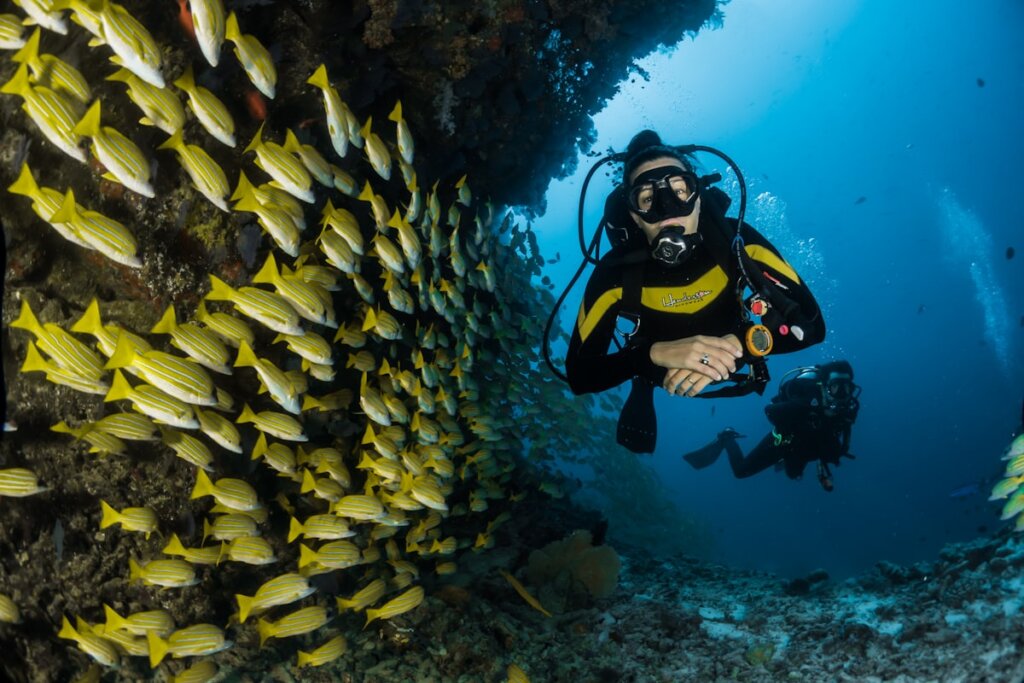
Guam’s beaches are gentler and easier. Tumon Bay is calm and shallow behind its reef, making it ideal for toddlers and nervous swimmers, and it is part of a marine preserve, so fish life near shore is decent. Ypao Beach Park, Ritidian Point on the northern tip and the natural rock pools at Inarajan in the south add variety, and Two Lovers Point offers big ocean views. But you will not find El Nido-style lagoons or island-hopping circuits. The Guam Visitors Bureau lists beaches and seasonal events.
Verdict: El Nido for wow-factor scenery; Guam for easy, swimmable beaches steps from your hotel.
Getting There and Entry Rules
Guam’s biggest advantage is access. Direct flights connect Guam with Tokyo, Osaka, Nagoya, Seoul, Busan, Taipei and Manila, and the airport sits about 10 minutes from the Tumon hotel strip. You can leave Tokyo in the morning and be in the water by mid-afternoon.
Because Guam is US territory, entry follows US rules. Many visitors from Japan, Korea and Taiwan can use the Guam-CNMI Visa Waiver Program for short stays or an approved ESTA; check current eligibility with U.S. Customs and Border Protection before you fly.
El Nido takes longer. Most travelers fly to Manila, then connect to Lio Airport (ENI) near El Nido, or fly to Puerto Princesa and ride about five to six hours by van. Our Seoul to El Nido, Taipei to El Nido and Hong Kong to El Nido guides cover routes in detail. Most East Asian passports get visa-free entry to the Philippines, but every arriving traveler must complete the free eTravel registration within 72 hours of departure.
Weather and Typhoon Risk
Both destinations are warm all year, with sea temperatures in the high 20s Celsius, so the question is rain and wind rather than cold.
El Nido’s dry season runs roughly December to May, when seas are calm and boat tours rarely cancel. From June to October the southwest monsoon brings showers and swells; tours still run on many days, but some routes close when the Coast Guard raises advisories. See our El Nido typhoon season guide and monitor PAGASA forecasts.
Guam is driest from about January to June. The wet season runs roughly July to November, and Guam sits in one of the most active typhoon zones on Earth, with the highest risk in late summer and autumn. A direct hit is rare in any given week, but storms can close the airport for a day or more. On the plus side, Guam’s resorts, malls and indoor attractions make a rainy day easier to fill than in El Nido.
Costs: The US-Dollar Factor
Guam prices feel American: resort rooms in Tumon commonly run US$150–300 or more, a casual lunch costs US$15–25, and a rental car adds around US$50–80 a day. Packages from Japanese and Korean travel agencies can soften this, but daily spending is still high. Shopping is the exception — there is no sales tax, so many visitors budget for outlet and duty-free purchases.
El Nido is significantly cheaper once you arrive. A comfortable mid-range hotel, a shared island-hopping tour (around ₱1,400–2,000 plus the environmental fee) and good restaurant meals typically total about US$100–175 per person per day. Luxury island resorts are the exception and can match or exceed Guam pricing; see our luxury resort comparison.
Verdict: airfare to Guam is often cheaper, but for trips of five days or more El Nido usually wins on total cost.
Sample 5-Day Budget Snapshot
To make the difference concrete, imagine a couple on a five-day trip staying in a mid-range hotel. In Guam, four nights in a Tumon Bay resort, a rental car for two days, one snorkel tour and casual meals can easily reach US$1,600–2,200 for two, before shopping. In El Nido, four nights in a boutique hotel, two island-hopping tours, a sunset sail and good restaurant meals often come to around US$900–1,400 for two, before flights. The El Nido figure rises if you add a domestic flight from Manila, so compare the full door-to-door price, not just the hotel rate, when you decide.
Activities, Culture and Who Should Pick Which
Beyond the beach, Guam offers snorkeling and diving (Piti’s Fish Eye Marine Park and WWII wreck dives), the War in the Pacific National Historical Park managed by the US National Park Service, Chamorro culture in Hagåtña and the weekly Chamorro Village night market, plus shooting ranges, water parks and big malls. It is very easy with small children.
El Nido’s activities revolve around the sea: island-hopping, kayaking, diving, paraw sailing at sunset, beach days at Nacpan and Las Cabanas, and hikes such as Taraw Cliff. Evenings mean beach bars and seafood rather than malls. Staying outside town, for example in Sibaltan, adds a quieter dimension — compare areas in Sibaltan vs El Nido town.
Choose Guam if you:
- Have three or four days and want minimal transit.
- Travel with babies, toddlers or grandparents who need easy logistics.
- Want shopping, familiar chain restaurants and US-standard infrastructure.
Choose El Nido if you:
- Can spare five or more days.
- Care most about scenery, boats and photography.
- Want better value per day and a more adventurous feel.
A simple test: if the phrase “kayaking into a hidden lagoon” excites you more than “pool day plus outlet mall,” El Nido is your trip. Many repeat visitors use Guam for quick family breaks and save El Nido for a longer adults’ holiday in the dry season.
Key Takeaways
- Guam is 3.5–4.5 hours direct from Tokyo, Seoul and Taipei; El Nido needs a Manila or Puerto Princesa connection.
- El Nido offers far more dramatic scenery and real island-hopping; Guam offers calm, easy resort beaches.
- Guam uses US dollars and US entry rules (Guam-CNMI Visa Waiver or ESTA); the Philippines requires the free eTravel form.
- Daily costs in El Nido are usually well below Guam’s, except at top luxury island resorts.
- Go to El Nido December–May; Guam is driest roughly January–June and has high typhoon risk in late summer and autumn.
- Guam suits short family trips and shoppers; El Nido suits longer, scenery-focused trips.
Frequently Asked Questions
Is Guam or El Nido better for families with small children?
Guam is usually easier: short direct flights, calm shallow water in Tumon Bay, big resorts with kids’ clubs and familiar food. El Nido works for families too, but boat days and longer transfers suit kids aged about six and older better.
Which has better snorkeling, Guam or El Nido?
Both are good. Guam’s Tumon Bay and Piti marine preserves are easy to access from shore. El Nido offers more variety through boat tours, with spots like Shimizu Island and Helicopter Island, plus lagoons Guam does not have.
Do I need a visa for Guam?
Many East Asian travelers can enter under the Guam-CNMI Visa Waiver Program or with an approved ESTA, but rules depend on nationality. Check the U.S. Customs and Border Protection website before booking.
Is El Nido cheaper than Guam?
Yes, for most travelers. Flights to El Nido may cost more, but hotels, tours and food are typically much cheaper than in Guam, where prices are in US dollars.
When is the best time to visit El Nido vs Guam?
El Nido is best from December to May. Guam is driest from roughly January to June. February to April is a sweet spot when both are usually dry.
About the Author
This guide was compiled by the El Nido Hotels Ranking editorial team, with input from local operators and ongoing on-the-ground updates.