Two small Philippine islands, two very different promises: Palawan’s limestone lagoons or Cebu’s dawn encounters with thresher sharks. This guide focuses on the El Nido versus Malapascua decision specifically for travelers choosing a single island base, whether they are divers chasing one famous animal or holiday-makers who want beaches, boat trips and good food. It covers access, activities, skill requirements, seasons and who will be happiest where.
- Two Islands, Two Different Trips
- How to Get There
- The Thresher Shark Factor
- What El Nido Offers Instead
- Comparison Table
- Seasons, Weather and Sea Conditions
- Budget and Value Considerations
- Common Mistakes to Avoid
- Accommodation, Food and Atmosphere
- Who Should Pick Which
- Safety and Responsible Travel
- Sample Plans
- Frequently Asked Questions
Two Islands, Two Different Trips
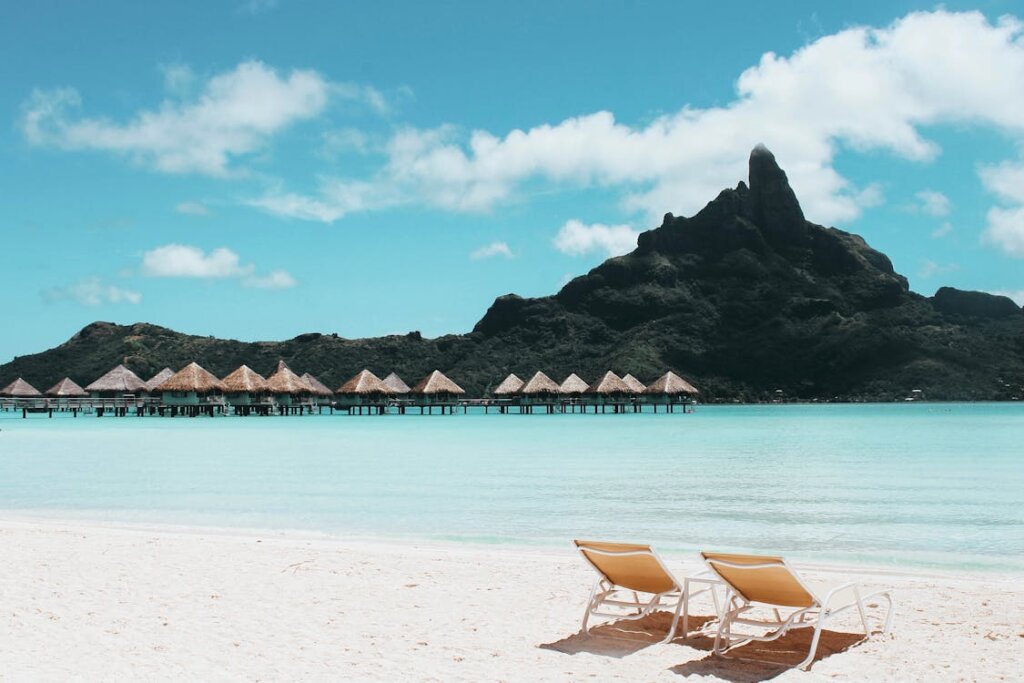
El Nido is a gateway to Bacuit Bay, a maze of karst islands, hidden lagoons and white beaches that you explore by boat. Malapascua is a small island off the northern tip of Cebu, famous worldwide for the chance to see thresher sharks at dawn on a seamount called Monad Shoal. One is a scenery destination with some diving; the other is a diving destination with some beaches.
If you are weighing wider Philippine options, our guides to El Nido vs Cebu, El Nido vs Bohol and El Nido vs Coron offer more context.
How to Get There
Malapascua is reached from Cebu: travelers typically drive several hours from Cebu City to Maya port in Daanbantayan, then take a short outrigger boat across to the island. Allow a half day and add time for traffic and boat schedules.
El Nido is farther for most visitors. You can fly directly to the small local airport or fly to Puerto Princesa and continue by road for several hours. Either way, plan a full travel day and a buffer for weather. Our guides to weather apps for El Nido and reading the sea forecast help you manage disruptions.
On Malapascua there are no cars on most of the island, so you will walk or use motorbike taxis. El Nido town is walkable and has tricycles for longer hops.
The Thresher Shark Factor
Thresher sharks are the reason many divers choose Malapascua. Dives to see them leave in the dark before sunrise, because the sharks visit cleaning stations on the seamount in the early morning. The dive profile is relatively deep, so operators generally require at least an Advanced Open Water level or equivalent experience. Sightings are common but never guaranteed, and conduct matters: divers keep distance, avoid blocking the sharks and follow the guide’s hand signals.
If thresher sharks are your must-see animal, Malapascua is the clear winner. Nothing in El Nido replicates that experience, and trying to force the comparison does a disservice to both places.
What El Nido Offers Instead
El Nido’s strength is the sheer variety of things to do within a short boat ride. Island-hopping tours visit lagoons, beaches and snorkeling spots, and diving covers coral gardens and rock formations. Sea kayaking, beaches such as Nacpan, sunset viewpoints and a lively food scene round out the experience. Our overview of Tours A, B, C and D shows how to sequence the highlights.
For travelers who are not divers, this variety is the biggest advantage. For divers, the underwater experience is good rather than legendary, so consider whether the above-water landscape is enough of a draw. Our guide to scuba vs snorkeling in El Nido can help you decide how much diving to include.
Comparison Table
This summary compares the two islands. Conditions, fees and prices change, so always confirm current details with local operators.
| Factor | El Nido | Malapascua |
|---|---|---|
| Signature experience | Island-hopping and hidden lagoons | Thresher shark dives at dawn |
| Diving level needed | Beginner to advanced | Often Advanced for thresher dives |
| Non-diver options | Excellent: tours, kayaking, beaches | Limited: beaches and relaxation |
| Island feel | Busy town with many services | Small, quiet, car-free island |
| Access | Flight or long road transfer | Road from Cebu plus short boat |
| Ideal trip length | 5 to 8 days | 3 to 6 days |
| Best for | Mixed groups and sightseers | Divers and shark enthusiasts |
The table shows a simple pattern: choose El Nido for breadth and Malapascua for focus.
Seasons, Weather and Sea Conditions
Both destinations are affected by the Philippine monsoon seasons and by typhoons. Broadly, drier months bring calmer seas and better visibility, but local conditions differ between Palawan in the west and the central Visayas in the east. Before you book, check forecasts from PAGASA and an international source such as weather.com, and keep flexible dates where possible.
Boat trips and early dawn dives can be cancelled when seas are rough, so build spare days into your itinerary, especially if you have a single must-do activity such as the shark dive.
Budget and Value Considerations
Neither island is a pure budget destination once you add transport, activities and food, but each has its own cost logic. In Malapascua, most spending goes on dives and a dive-resort room, and the compact size of the island keeps local transport costs low. A typical stay revolves around two or three dives per day, so your total depends mostly on how many dives you buy and whether they are bundled into a package.
In El Nido, costs are spread across tours, meals, accommodation and occasional transfers to beaches. Island-hopping tours are priced per person and include lunch, which makes them straightforward to compare. Fees such as environmental or entrance charges may be added, so ask what is included before paying. Because the range of accommodation is wide, you can keep costs down with a simple room and spend on one or two special experiences.
As a rule, divers who dive every day usually find Malapascua efficient, while mixed-interest travelers usually find El Nido better value because each day offers something different at a similar cost.
Common Mistakes to Avoid
Several errors come up again and again when travelers choose between these islands. First, booking too little time: both destinations lose value when rushed, and weather delays are normal. Second, assuming certification is optional: if the shark dive matters, confirm the required level and arrange any course before you arrive, since you cannot always upgrade on the spot. Third, overpacking activities into a single day, particularly in El Nido where a full island-hopping tour can be tiring.
Another mistake is ignoring the return journey. Divers should avoid a dive on the departure day, and everyone should leave enough margin for road delays, ferry changes and flight timing. Finally, travelers often forget cash. Small shops, boat crews and local guides may not accept cards, and ATMs can be unreliable on small islands, so withdraw funds in advance and keep small bills for tips.
Accommodation, Food and Atmosphere
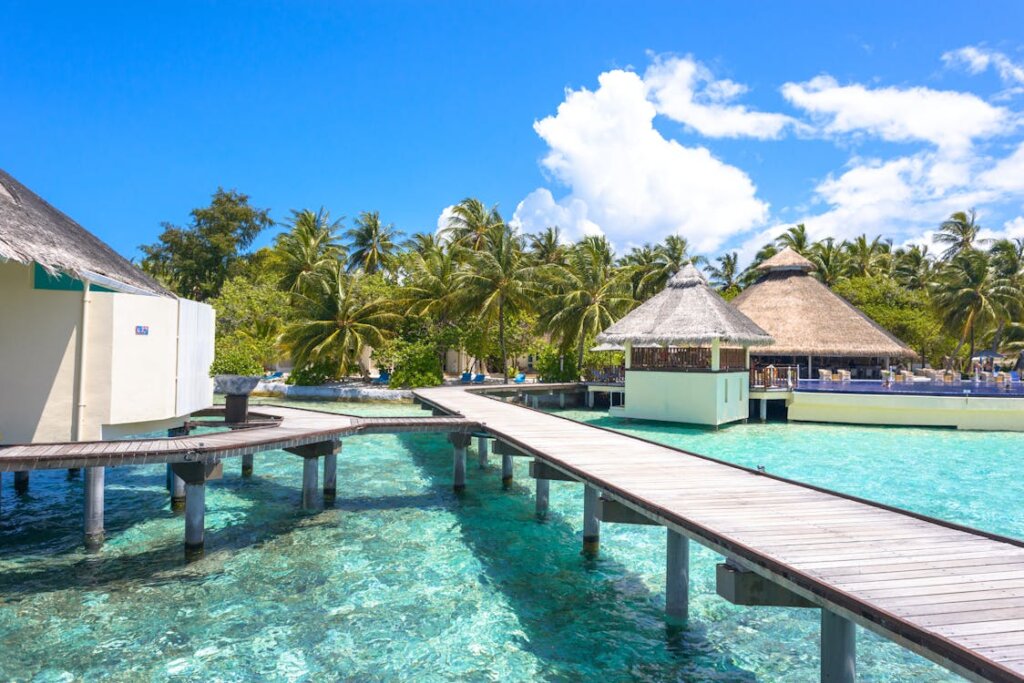
El Nido has a wide spread of accommodation from simple hostels to boutique resorts, and a dense restaurant scene covering Filipino dishes, seafood and international food. Malapascua has fewer options, mostly dive resorts and small guesthouses on or near Bounty Beach, with a relaxed evening scene.
If food is a priority, El Nido gives you more variety, including grilled seafood, cafes and night markets; see our night market guide. If you want early nights and early starts, Malapascua’s routine suits you well.
Who Should Pick Which
Pick El Nido if you want
- a classic tropical holiday with lagoons, beaches and boat trips
- activities for every ability, including non-divers and children
- nightlife, restaurants and plenty of choices for accommodation
Pick Malapascua if you want
- to dive with thresher sharks and explore other nearby sites
- a quieter, slower island with fewer distractions
- a shorter, diving-focused trip
Can’t decide? Many travelers combine the islands in a longer trip with a flight between Cebu and Palawan. Just keep a full buffer day between your last dive and any flight.
Safety and Responsible Travel
Wherever you go, choose operators who brief clearly, maintain equipment and respect marine life. Avoid feeding wildlife, touching coral or chasing sharks and turtles. Follow guidance on flying after diving from Divers Alert Network, and carry travel insurance that covers diving and medical evacuation. For tourism information, see the official Philippines tourism site.
Finally, remember that tourism income supports local fishers and boat crews. Tipping guides, paying fair prices and booking directly with licensed operators help communities benefit, and it is worth reading our tipping guide before you travel.
Sample Plans
Five days in Malapascua
Arrive and settle in, dive the thresher site at dawn on days two and three, add a day trip to another local dive site, then rest on the beach and travel on day five.
Seven days in El Nido
Spend days one and two exploring town and Nacpan, take two island-hopping tours, add a dive or snorkeling day, and keep a spare day for weather.
Ten days across both
Start in Cebu and Malapascua for the shark dives, fly to Palawan for scenery, and finish with a quiet day before your flight home.
Frequently Asked Questions
Is Malapascua only for divers?
No, but its appeal centers on diving. Non-divers can enjoy beaches and snorkeling, though activities are fewer than in El Nido.
Do I need to be advanced to see thresher sharks?
Most operators require at least Advanced Open Water or equivalent experience because of the depth and early-morning conditions.
Which island is better for families?
El Nido, because of its wider range of activities, accommodation and facilities.
Which is easier to reach?
Malapascua is closer to Cebu City by road and a short boat ride, while El Nido typically requires a flight and longer transfer.
Can I see sharks in El Nido?
Marine life varies, and sightings of certain sharks are possible but not a reason to choose El Nido. For thresher sharks specifically, Malapascua is the destination.
How many days should I allow for each?
Plan about three to six days for Malapascua and five to eight days for El Nido, with buffer time for weather.