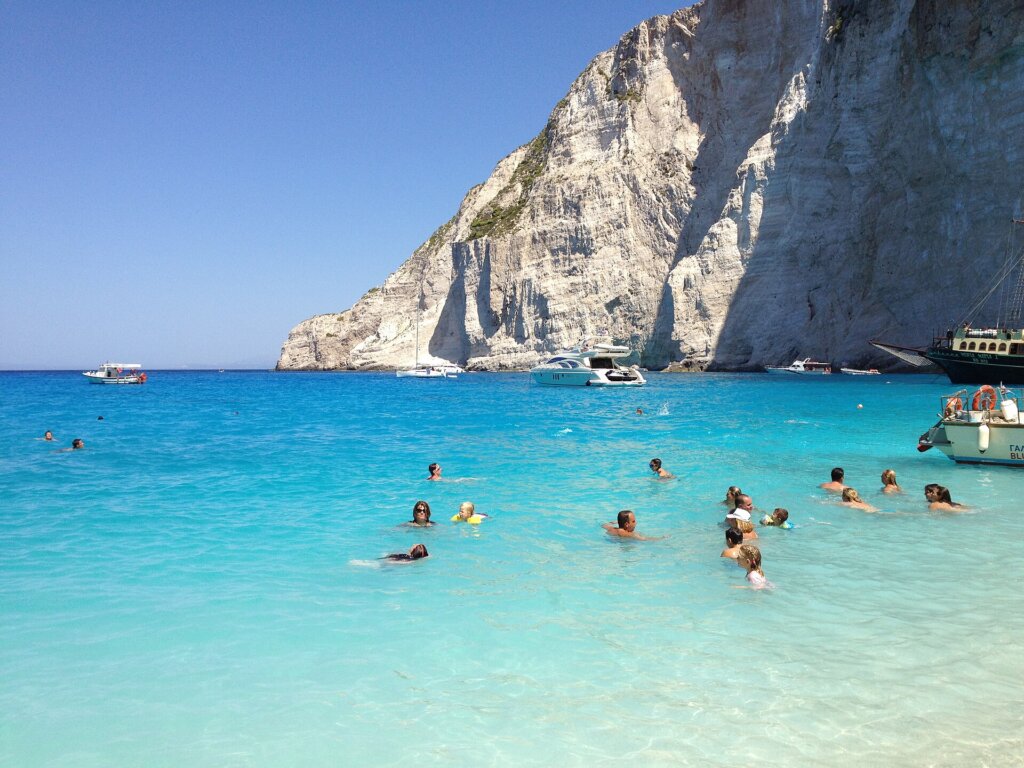
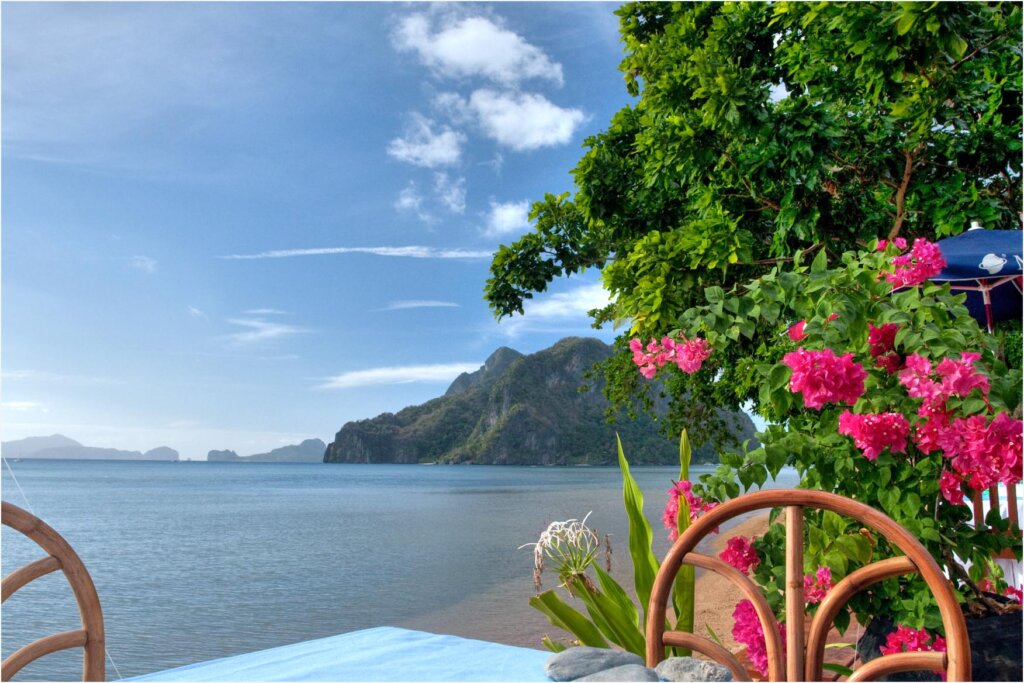
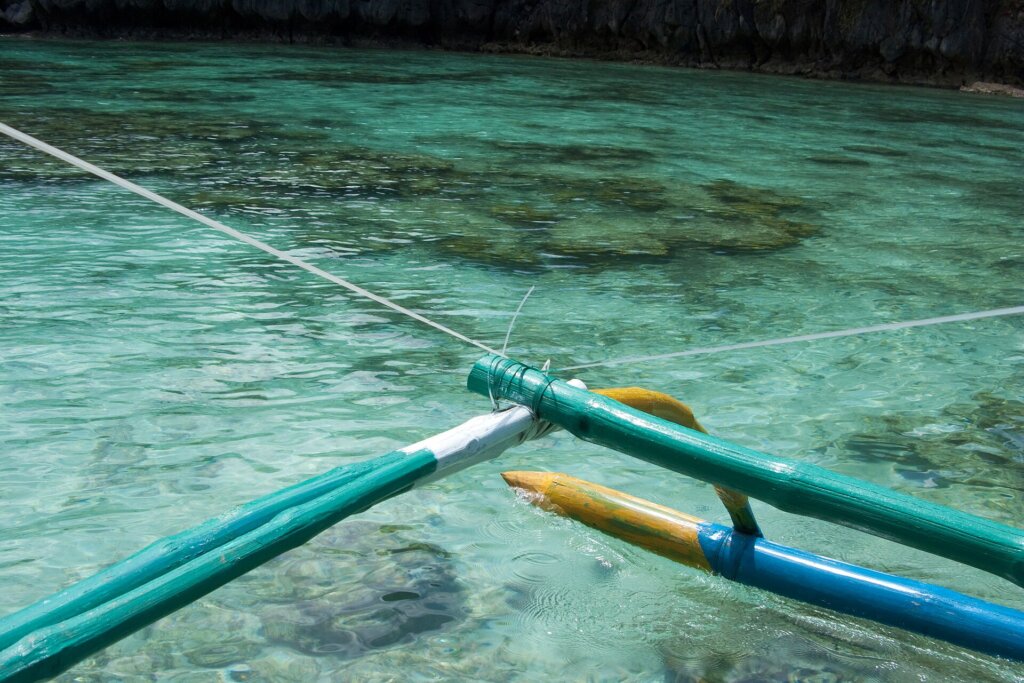
For shade in El Nido, pick palm-backed mainland beaches like Nacpan, Duli, Corong-Corong and Marimegmeg, or visit cliff-backed island beaches early in the day; between roughly 11 a.m. and 2 p.m. almost no beach is fully shaded, so plan lunch indoors.
Postcard photos of El Nido show turquoise water and white sand under a blazing sky. What they don’t show is how hot that sand gets by late morning, or how few beaches have a reliable patch of shade. For many visitors — families with small kids, older travelers, people with fair skin, anyone recovering from a sunburn on day one — shade is the difference between a great beach day and an early retreat to the hotel.
This guide focuses on shade specifically for heat-sensitive travelers, families and anyone planning a full day on the sand. We rank eight beaches by how much natural shade they offer — coconut groves, broadleaf trees and limestone cliffs — and explain when that shade actually falls on the sand.
The unique angle: shade in El Nido is a moving target. A cliff that shades a cove at 8 a.m. can leave it fully exposed by noon, and a palm grove that looks dense from the road may only shade the area behind the sand. Timing is as important as the beach you choose.
Why Shade Matters More Than You Expect in El Nido
El Nido sits at roughly 11° north of the equator, so the midday sun is high and the UV index is typically very high to extreme for much of the year, especially in the dry months from March to May. Reflection from white sand and calm water adds to the exposure, and boat days on open water rarely offer any cover.
The World Health Organization recommends seeking shade during the hours when UV radiation peaks, alongside clothing, hats and sunscreen. In El Nido that advice is practical rather than theoretical: several beaches have no permanent shade at all, and sun loungers with umbrellas are not available everywhere. Our guide to El Nido beach loungers and sunbed rentals covers where you can rent shade instead.
How Shade Moves Through the Day
Three types of natural shade exist on El Nido beaches, and each behaves differently.
- Coconut palms give dappled, shifting shade. A single palm shades a small circle that moves with the sun; a grove gives broader cover but usually behind the sand rather than on it.
- Broadleaf trees (such as talisay/beach almond trees common on Philippine shores) give dense shade and are the most comfortable spots for a long stay — if you can claim one early.
- Limestone cliffs cast deep shade, but only for part of the day. A beach with cliffs on its eastern side tends to be shaded in the morning; one with cliffs to the west gets shade in the late afternoon.
As a rule of thumb, arrive before 9 a.m. to secure tree shade on popular beaches, retreat from about 11 a.m. to 2 p.m., and return for the softer light before sunset.
Mainland Beaches With Natural Shade
1. Nacpan Beach
Nacpan’s long curve of sand is backed by a deep coconut grove, and there are simple huts and beachfront eateries along part of the shore. It is the easiest beach in El Nido to spend a whole day on without an umbrella — just set up at the tree line. It is about 45–60 minutes from town by tricycle or scooter. Compare it with Las Cabanas in our Nacpan vs Las Cabanas guide.
2. Duli Beach
Further north, Duli is quieter and known for surf in the right season. Palms and scrub back the beach, giving decent shade near the vegetation line. Facilities are limited, so bring water. See where to stay near Duli Beach if you want to be close.
3. Corong-Corong Beach
Closest to town and lined with coconut palms, cafés and small resorts. Shade here comes as much from beachfront restaurants as from trees — buy a drink and you have a shaded seat with a view of Bacuit Bay.
4. Marimegmeg (Las Cabanas) Beach
Popular for sunset, with trees and beach bars at the back of the sand. Morning is quieter and cooler; by late afternoon the shaded spots fill with sunset crowds. Our Marimegmeg beach hotels guide lists stays within walking distance.
5. Caalan Beach
A small, low-key beach at the edge of town with trees close to the water. It is not a swimming showpiece, but it is one of the easiest spots in town to sit in the shade.
Island-Tour Beaches With Shade
6. Seven Commandos Beach
A Tour A staple with a stand of coconut palms behind the sand and a small snack and drinks stall. Shade is limited and popular, so on busy days grab a spot as soon as your boat lands. Read more in our Seven Commandos Beach guide.
7. Cliff-backed coves in Bacuit Bay
Several island-tour stops sit beneath tall limestone walls that cast deep shade at certain hours. Because tour schedules are fixed, you don’t always control timing — but a private boat lets you visit cliff-backed beaches when they are shaded.
8. Lio Beach
A long, developed beach near the airport with palms, landscaped areas and beachfront dining at the Vanilla Beach area. It is a good compromise when you want sand and shade with toilets and restaurants nearby.
Shade Comparison: 8 El Nido Beaches
| Beach | Shade Type | Best Hours | Facilities |
|---|---|---|---|
| Nacpan | Large coconut grove | All day at tree line | Eateries, huts |
| Duli | Palms and scrub | Morning, late afternoon | Very limited |
| Corong-Corong | Palms, beachfront cafés | All day (café seating) | Many cafés, resorts |
| Marimegmeg | Trees, beach bars | Morning to mid-afternoon | Bars, restaurants |
| Caalan | Trees near the water | Morning | Minimal |
| Seven Commandos | Coconut palms | When your boat arrives | Snack stall |
| Cliff-backed coves | Limestone walls | Depends on orientation | None |
| Lio | Palms, landscaped areas | All day | Restaurants, toilets |
Bringing Your Own Shade
On beaches with little cover, bring your own. A compact beach umbrella or a pop-up shade tent is easy to carry on a scooter but may not fit the rules of every island stop; a large sarong tied between palms works almost anywhere. Long-sleeved rash guards and wide-brim hats are the most practical choice on boat days, where shade is impossible.
Sunscreen matters even in shade because sand and water reflect UV. Choose a reef-safe formula and reapply after swimming — our sunscreen reapplication guide for boat days explains how often.
Shaded tree lines can also be where sandflies are most active, especially near dawn and dusk. A light repellent helps; see our sandfly prevention guide.
Heat Safety Basics for Beach Days
Heat exhaustion is a real risk in the dry season. Drink water steadily rather than waiting until you are thirsty, take breaks in the shade every hour, and watch children closely — they often ignore early warning signs like headaches and irritability. PAGASA publishes heat index forecasts for the Philippines that are worth checking on the hottest days.
If you are planning a beach-heavy itinerary, the climate overview of El Nido helps you pick a month: the shoulder months often bring cloud cover that makes long beach days more comfortable.
A Sample Shaded Beach Day
Here is a simple schedule that works on most mainland beaches. Leave your hotel around 7:30 a.m. and reach Nacpan or Duli by 8:30, when tree shade still reaches close to the waterline and the sand is cool. Swim and snorkel until about 10:30, then move into the coconut grove or a beachfront eatery for a long lunch and a rest between 11 a.m. and 2 p.m. In the mid-afternoon, swim again in short sessions, staying close to the shade line. Head back toward town by 4:30 p.m. and finish at Corong-Corong or Marimegmeg for sunset, where cafés and bars give you a shaded seat while the light softens.
On island-hopping days, the logic is similar but you have less control. Wear a rash guard and hat on the boat, use the boat canopy during transfers, and on each beach stop head straight for whatever shade is available before it fills up. If shade is a priority for your group, a private tour lets you reorder stops so you reach cliff-backed coves when they are shaded and spend the hottest hours eating lunch under cover.
Key Takeaways
- Nacpan, Corong-Corong and Lio offer the most reliable all-day shade, while island beaches have limited cover.
- Arrive before 9 a.m. to secure tree shade on popular beaches.
- Avoid long exposed stretches between about 11 a.m. and 2 p.m., when UV is strongest.
- Cliff shade depends on orientation and time of day — private boats give you control over timing.
- Bring a rash guard, hat and reef-safe sunscreen; shade alone does not block reflected UV.
- Use repellent in shaded tree lines, where sandflies can be active.
Frequently Asked Questions
Which El Nido beach has the most shade?
Nacpan Beach, thanks to its long coconut grove behind the sand. Corong-Corong and Lio also offer easy shade through cafés and landscaped areas.
Are there umbrellas for rent on El Nido beaches?
On some developed beaches, such as Las Cabanas and Lio, you can rent loungers or use restaurant seating. On island-tour beaches, rentals are rare, so bring your own cover.
What time is the sun strongest in El Nido?
UV levels are typically highest from late morning to early afternoon. Plan swims and walks for early morning and late afternoon.
Is there shade on island-hopping tours?
The boat usually has a canopy, but many beaches have limited shade. Seven Commandos has palms; cliff-backed coves are shaded only at certain hours.
Are shaded beaches good for kids?
Yes. Nacpan and Lio are the easiest for families because shade, food and toilets are close together.
Do I still need sunscreen in the shade?
Yes. Sand and water reflect UV, so wear reef-safe sunscreen and a rash guard even under trees.
About the Author
This guide was compiled by the El Nido Hotels Ranking editorial team, with input from local operators and ongoing on-the-ground updates.