
El Nido is a place of long boat days, hot sun, irregular meal times and limited pharmacies, which is exactly the combination that makes diabetes management harder than at home. This guide focuses on practical diabetes management specifically for travelers with type 1 or type 2 diabetes who are planning island hopping, beach days and multi-night stays in El Nido. It is not medical advice; it is a field-tested planning framework to discuss with your own doctor or diabetes educator before you fly.
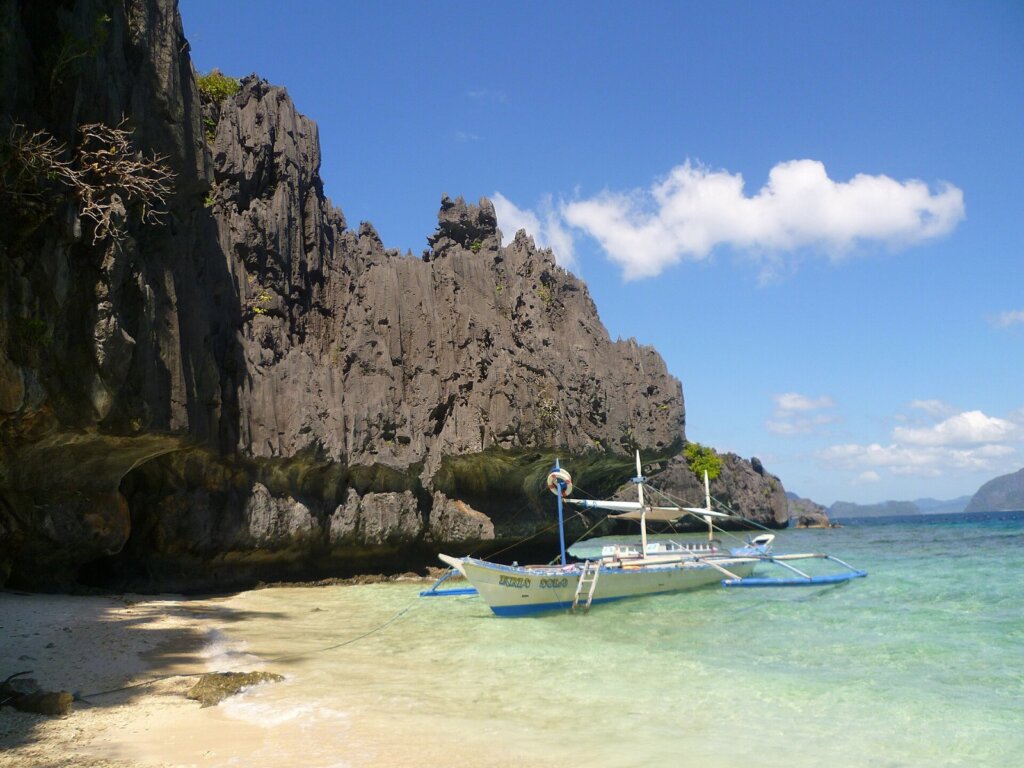
The unique angle here is timing. Most diabetes travel advice is written for city breaks. El Nido is different: a typical Tour A or Tour C day keeps you on a bangka from roughly 9:00 to 16:00, lunch arrives whenever the crew finishes grilling on the beach, and the nearest well-stocked pharmacy can be an hour-plus boat ride away. Planning around those gaps is what keeps your glucose steady.
- Before You Fly: The El Nido Diabetes Checklist
- Flying Into El Nido With Insulin and Devices
- Keeping Insulin Safe in El Nido’s Heat
- Managing Glucose on Island-Hopping Tours
- Eating Out in El Nido With Diabetes
- Pharmacies, Clinics and Emergencies
- Choosing Accommodation as a Diabetic Traveler
- A Sample Diabetes-Friendly El Nido Itinerary
- Frequently Asked Questions
Before You Fly: The El Nido Diabetes Checklist
Start preparing four to six weeks out. The single most important rule is to carry double the supplies you expect to use, split between two bags, because replacing specific insulin brands, pump consumables or CGM sensors in northern Palawan is unreliable at best.
- Doctor’s letter: A signed letter listing your diagnosis, medications, insulin type, and the devices you carry (pump, CGM, pen needles, lancets). Airlines and security staff in Manila and Puerto Princesa may ask for it.
- Prescriptions with generic names: Brand names differ in the Philippines. Generic names make any pharmacy conversation faster.
- Travel insurance that covers pre-existing conditions: Confirm that medical evacuation from El Nido to Puerto Princesa or Manila is included. Read our El Nido health guide for an overview of clinics in town.
- Hypo kit in every bag: Glucose tablets or gels, a glucagon kit if prescribed, and a few sealed snacks that will not melt.
- Cooling solution: An evaporative insulin cooling pouch works better than ice packs on multi-day trips because it does not depend on freezers.
- Medical ID: A bracelet or phone lock-screen note stating that you have diabetes, written in English, helps boat crews and clinic staff act quickly if you cannot speak.
The U.S. CDC diabetes resources and the International Diabetes Federation both publish general travel checklists worth reviewing alongside this one.
Flying Into El Nido With Insulin and Devices
Most visitors reach El Nido either by a direct flight into Lio Airport or by flying into Puerto Princesa and taking a five-to-six-hour van north. Each route has a diabetes-specific risk.
Direct flights to Lio use small turboprops with strict cabin baggage limits. Keep all insulin, pens, pump supplies and your hypo kit in your personal item, never in checked luggage, since cargo holds can get very cold or very hot and checked bags occasionally miss short connections.
The Puerto Princesa van route is long, winding and often air-conditioned to near-freezing, followed by stops in strong sun. Eat a balanced snack before departure, test or check your CGM at each rest stop, and keep fast-acting carbs on your lap rather than in the roof rack. Our Puerto Princesa to El Nido van guide covers rest-stop timing.
For airport screening rules on medical liquids and devices, the TSA special procedures page is a useful reference if you are routing through the United States, and most international airports follow similar principles.
Keeping Insulin Safe in El Nido’s Heat
El Nido sits at roughly 11°N latitude. Daytime temperatures commonly reach the low 30s °C, and a dark dry bag lying on a boat deck can get far hotter. Insulin manufacturers generally advise against exposing insulin to high heat or direct sunlight, so plan storage for these situations:
| Situation | Main risk | Practical fix |
|---|---|---|
| Hotel room | Brownouts switch off the mini-fridge | Choose a property with a generator; keep backup pens in a cooling pouch |
| Island-hopping boat | Direct sun and deck heat for 6–7 hours | Cooling pouch inside a light-colored dry bag, stored in shade under a bench |
| Beach stops | Bag left on hot sand | Keep the bag in the boat’s shade or under a cottage, not on the sand |
| Van transfers | Cold A/C then hot stops | Insulated pouch on your lap, away from A/C vents |
| Kayaking lagoons | Splash and capsize | Double dry bag; leave spare supplies on the main boat |
El Nido does experience scheduled and unscheduled power interruptions. Our brownout guide explains what to expect and why a hotel with backup power is worth paying for when you are traveling with refrigerated medication.
Managing Glucose on Island-Hopping Tours
Island-hopping days combine three things that push blood sugar around: unusual physical activity (swimming, snorkeling, kayaking, climbing into lagoons), heat, and a late or carb-heavy lunch. Many travelers on insulin find they run lower than expected on tour days.
- Eat a real breakfast with protein before the 9:00 boat departure. Many hotels serve rice-based breakfasts; ask for eggs and fruit.
- Tell the tour guide discreetly that you have diabetes and where your hypo kit is. Guides handle seasick and dehydrated guests every day and will respond calmly.
- Check before every swim. Treating a low while treading water in a lagoon is dangerous. If you are trending low, stay on the boat for that stop.
- Protect your CGM or pump site. Saltwater, sunscreen and repeated swims loosen adhesives. Overpatches and a spare sensor are essential.
- Know the lunch menu. Boat lunches typically include grilled fish or chicken, rice, salad, and a large plate of tropical fruit. See what’s in an El Nido boat lunch to plan carb counts.
Private tours give you full control over timing, including an earlier lunch stop. For type 1 travelers, the extra cost can be worthwhile on the first tour day while you learn how your body responds.
Eating Out in El Nido With Diabetes
Filipino food is built around white rice and sweet sauces, but El Nido’s restaurant scene is international enough that low-carb options are easy to find if you know what to order.
- Grilled seafood (inihaw) and kinilaw (vinegar-cured raw fish) are naturally low in carbohydrates.
- Adobo, tocino and longganisa are often sweetened; ask about sugar or choose a grilled dish instead.
- Fruit shakes are usually made with added sugar or syrup. Ask for “no sugar” (walang asukal) or skip them.
- Half rice is a common request in the Philippines and rarely raises an eyebrow.
If you also manage food allergies or intolerances, our food allergies guide includes useful phrases for kitchen staff. Check tap water and ice safety too, because dehydration and stomach upsets both make glucose control harder.
Pharmacies, Clinics and Emergencies
El Nido town has several small pharmacies and a district hospital, but stock of specific insulins, pump consumables and CGM sensors cannot be relied on. Treat local pharmacies as a source of basics such as glucose tablets, oral rehydration salts, plasters and blood-glucose test strips for common meters, not as a replacement supply.
For anything serious, patients are often referred to Puerto Princesa, which has larger hospitals. Save your insurer’s emergency number, your accommodation’s address, and your hotel front desk number in your phone before every tour. Our first aid and pharmacy guide lists what you can typically buy locally.
The World Health Organization’s diabetes page summarizes hypoglycemia and hyperglycemia warning signs that travel companions should know.
Choosing Accommodation as a Diabetic Traveler
Your hotel choice matters more in El Nido than in most destinations. Prioritize, in this order:
- Backup generator so the fridge stays cold during brownouts.
- In-room fridge (not a shared kitchen fridge where items can go missing).
- Location within walking distance of town so pharmacies and clinics are minutes away rather than an hour by tricycle.
- Flexible breakfast hours that open early enough before tour departures.
Remote beaches such as Nacpan are beautiful, but the trade-off is distance from medical help. Read our barangay-by-barangay accommodation guide before booking.
A Sample Diabetes-Friendly El Nido Itinerary
Day 1: Arrive, settle in, stock up on water and snacks, check that the room fridge works. Walk around town and note pharmacy locations.
Day 2: Tour A (lagoons) with a private or small-group boat. Check glucose before each lagoon swim.
Day 3: A slower land day: Nacpan Beach by van or tricycle with a packed lunch, back before sunset.
Day 4: Tour C or Tour B, using what you learned on Day 2 to adjust basal or snacks with your care plan.
Day 5: Rest morning, review supplies, and travel onward.
Spacing high-activity days with lighter days gives your body, and your supplies, time to recover. Travelers who follow this rhythm usually find their numbers more predictable by the end of the trip than on day one.
Frequently Asked Questions
Can I buy insulin in El Nido?
Some pharmacies in El Nido town may stock common insulins, but availability of specific brands is unreliable. Bring at least double the supply you expect to need, split across two bags.
How do I keep insulin cool on an El Nido boat tour?
Use an evaporative cooling pouch inside a light-colored dry bag and keep it in the shade under a bench. Never leave it on the deck or on hot sand.
Is island hopping safe for people with type 1 diabetes?
Many people with type 1 diabetes enjoy island hopping. Check glucose before each swim, tell your guide where your hypo kit is, and consider a private tour for timing control. Discuss plans with your doctor first.
What low-carb food is available in El Nido?
Grilled seafood, kinilaw, salads and egg-based breakfasts are widely available. Ask for half rice and avoid sweetened sauces and fruit shakes with added sugar.
Where is the nearest large hospital to El Nido?
El Nido has a district hospital for basic care. Serious cases are often referred to Puerto Princesa, several hours south by road.