TL;DR: Choose El Nido for dramatic limestone scenery and full-day boat tours; choose the Gili Islands for car-free, walkable island life, easy turtle snorkeling and a simpler Bali add-on. El Nido is best roughly December to May, the Gilis roughly April to October.
El Nido in Palawan and the Gili Islands off Lombok both land on almost every Southeast Asia beach shortlist, and both get described as “paradise”. But they deliver very different trips. El Nido is a mainland town that works as a launch pad for boat days through Bacuit Bay; the Gilis are three tiny, car-free islands where the beach is your front yard and you get around by bicycle or on foot.
This guide focuses on El Nido vs the Gili Islands specifically for travelers who have one week of beach time and can only fit one of them into a wider Philippines or Indonesia itinerary. We compare what you actually do each day, how hard each place is to reach, when the weather works, and what a realistic daily budget looks like, so you can pick the island trip that matches your travel style rather than the prettiest photo.
The Core Difference: Boat Days vs Island Living
The single most useful way to frame this decision is to ask how you like to spend a beach day. In El Nido, the highlights are offshore. The famous lagoons, hidden beaches and limestone cliffs of Bacuit Bay are mostly reached on organized island-hopping tours (the classic Tours A, B, C and D) or a private boat charter. A typical day starts around 9 a.m. at the beach in town or at Corong-Corong, includes four or five stops plus a lunch cooked on board, and finishes in the late afternoon. If you want to compare routes before you go, our Tour A vs Tour B breakdown explains which stops each one covers.
On the Gili Islands, the highlights are right outside your room. Gili Trawangan, Gili Meno and Gili Air are small enough to cycle around in an hour or two, motorized vehicles are not allowed, and the best snorkeling is often a short swim from the sand. You can join a glass-bottom boat snorkel trip that loops around all three islands, but many visitors simply grab a mask and go. The result is a slower, more self-directed rhythm: breakfast, a swim, a bike ride, a sunset bar, repeat.
Neither style is better. Travelers who love “wow” scenery and are happy to sit on a boat most of the day usually prefer El Nido. Travelers who want to unpack once, walk everywhere and set their own schedule usually prefer the Gilis.
Scenery and Beaches Compared
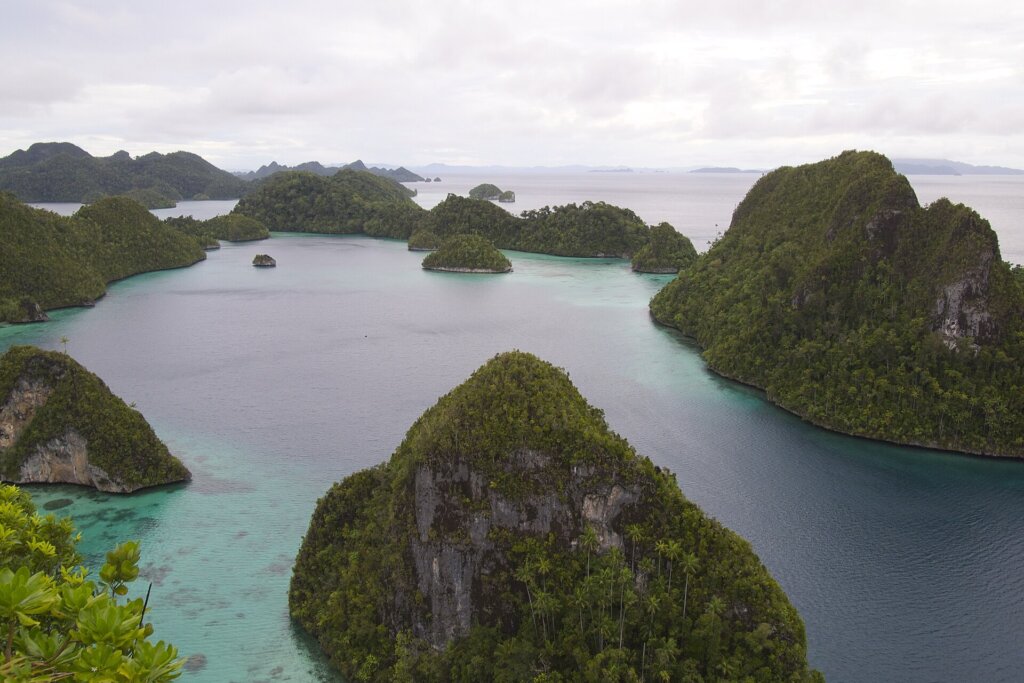
El Nido wins on drama. Bacuit Bay is scattered with sheer black limestone karst islands rising out of turquoise water, and places such as Big Lagoon, Small Lagoon and Secret Lagoon feel like natural amphitheaters. Beaches range from busy tour stops like Seven Commandos to wide, quiet stretches such as Nacpan Beach north of town. The town beach itself is not the reason people come; El Nido town is compact, busy and built right up to the shoreline.
The Gilis win on convenience. The beaches are classic white sand ringed by reef, with views across to Lombok’s Mount Rinjani and, on clear days, Bali’s Mount Agung. There are no towering cliffs or enclosed lagoons, but you get sunsets over the water from the west coast of each island and a beach within a few minutes’ walk wherever you stay. Gili Trawangan is the liveliest, Gili Air sits in the middle on energy, and Gili Meno is the quietest.
If your dream image is a kayak floating between limestone walls, that is El Nido. If it is a hammock under a palm with your bike parked nearby, that is the Gilis.
Snorkeling, Diving and Marine Life
Both destinations are strong for underwater time, but in different ways. The Gilis are famous for green and hawksbill turtles, which are commonly seen while snorkeling in shallow water around all three islands. Gili Meno also has an underwater sculpture installation that has become a popular snorkel stop. Dive schools are concentrated on Gili Trawangan and Gili Air, and the islands have long been a popular place to take an entry-level dive course.
El Nido offers a wider mix: reef snorkeling on almost every island-hopping stop, turtles at certain sites, and a range of dive sites across Bacuit Bay suitable for beginners through to more experienced divers. Visibility and conditions vary with the season, so check our El Nido snorkeling guide for the most reliable spots. In both places, use reef-safe sunscreen, never stand on coral, and keep a respectful distance from turtles.
Getting There and Getting Around
This is where the two destinations differ most for a short trip. El Nido is reached either by flying from Manila directly to Lio Airport just north of town (limited flights, typically priced at a premium) or by flying to Puerto Princesa and taking a van or bus for roughly five to six hours. Our El Nido transport guide compares both routes in detail. Once there, you get around by tricycle, rented scooter or on foot in town, and by boat for most sightseeing.
The Gilis are reached by fast boat from Bali, with departures from ports such as Padang Bai and Serangan, or by flying into Lombok and taking a short public or private boat from the harbor at Bangsal or nearby Teluk Nare and Teluk Kodek. Sea conditions can affect fast-boat schedules, especially in the rainy months. On the islands there are no cars or motorbikes; you walk, cycle or use a horse-drawn cart called a cidomo. Many travelers choose not to use cidomo due to animal welfare concerns, and cycling is easy on all three islands.
Practically, the Gilis are easier to bolt onto a Bali trip, while El Nido pairs naturally with Coron, Puerto Princesa or a broader Philippines route.
Side-by-Side Comparison Table
| Factor | El Nido (Palawan) | Gili Islands (Lombok) |
|---|---|---|
| Main appeal | Limestone karsts, lagoons, island hopping | Car-free islands, beach-front snorkeling |
| Typical day | Full-day boat tour with lunch on board | Swim, cycle, snorkel and sunset at your own pace |
| Best weather window | Roughly December to May | Roughly April to October |
| Access | Fly to Lio, or Puerto Princesa + 5–6 hr van | Fast boat from Bali, or Lombok + short boat |
| Getting around | Tricycle, scooter, boat | Walking, bicycle, cidomo |
| Nightlife | Bars and live music in town and Las Cabanas | Lively on Gili T; calm on Meno and Air |
| Best for | Scenery lovers, couples, photographers | Slow travelers, beginner divers, Bali add-ons |
Treat the weather windows as general patterns, not guarantees. Both regions can see rain and rough seas outside their peak months, and both can have beautiful days in shoulder season.
Costs and Daily Budget
Budgets in both places swing widely with accommodation choice, but the cost structure is different. In El Nido, your biggest variable is boat time. Shared island-hopping tours are priced per person and usually include lunch, while private boats cost considerably more but give you control over timing. You also pay the El Nido eco-tourism development fee once on arrival, and some lagoon stops carry extra fees. Food ranges from simple local eateries to international restaurants, and prices in El Nido town are generally higher than elsewhere in the Philippines because supplies travel a long way.
On the Gilis, the daily cost of activities is lower because so much is free: the beach, the snorkeling and the sunset. Your main expenses are accommodation, food and the boat transfer to and from Bali or Lombok, which can be a meaningful line item if you choose a fast boat. Gili Trawangan has the widest range of budget options; Gili Meno leans toward quieter, small-scale stays.
Overall, travelers who plan several boat days usually spend more per day in El Nido. Travelers who mostly relax on the beach often find the Gilis cheaper day to day, but should budget carefully for transfers. For accommodation ideas on the Palawan side, start with our best hotels in El Nido ranking.
Seasons: When Each Destination Works
The two destinations have almost opposite peak seasons, which is useful if your travel dates are fixed. El Nido is generally driest from about December to May, with the calmest seas often in March to May. From roughly June to October the southwest monsoon brings more rain and occasional tour cancellations, although many days are still workable. Our best time to visit El Nido guide breaks this down month by month, and the Philippine weather agency PAGASA publishes official forecasts and typhoon bulletins.
The Gili Islands sit in a region where the dry season usually runs from about April to October and the wet season from about November to March. July and August are typically the busiest months. So if you are traveling in July or August, the Gilis usually offer more reliable beach weather; if you are traveling in January to April, El Nido usually has the edge.
Which One Should You Choose?
Choose El Nido if the scenery is the point of the trip, you are happy to spend several days on boats, you are already planning a Philippines route, or you are traveling between December and May. It also suits photographers and couples looking for a “once in a lifetime” landscape.
Choose the Gili Islands if you want a car-free, walkable base, you are combining the trip with Bali or Lombok, you want to learn to dive in a relaxed setting, or you are traveling between June and September. They also suit travelers who prefer to plan very little and decide each day on the spot.
Still torn? Our comparisons of El Nido vs Bali, El Nido vs Lombok and El Nido vs Komodo cover other Indonesia options. For Indonesia-side planning, the official Wonderful Indonesia site and Wikivoyage’s Gili Islands page are good starting points, while the Philippine Department of Tourism covers official Palawan information.
Key Takeaways
- El Nido is about boat days through Bacuit Bay; the Gilis are about car-free island life with the beach on your doorstep.
- El Nido usually has the better weather from December to May; the Gilis from April to October.
- The Gilis are easier to add to a Bali trip; El Nido pairs naturally with Coron and Puerto Princesa.
- Expect higher daily activity costs in El Nido if you book several island-hopping tours.
- Turtle snorkeling is a highlight of the Gilis, while El Nido offers more varied reef and lagoon scenery.
- Check weather forecasts and boat schedules close to travel dates in both destinations.
Frequently Asked Questions
Is El Nido or the Gili Islands better for a honeymoon?
Both work well. El Nido offers more dramatic scenery and private boat options for couples, while Gili Meno is especially quiet and romantic. Choose based on your travel month and whether you prefer exploring by boat or relaxing in one place.
Which is cheaper, El Nido or the Gili Islands?
Day to day, the Gilis are often cheaper because snorkeling and beaches are free on your doorstep. El Nido costs add up with multiple island-hopping tours and fees, but budget accommodation exists in both places.
Can I visit El Nido and the Gili Islands on the same trip?
Yes, but they are in different countries, so you would need flights via Manila and Bali or Lombok. With less than two weeks, most travelers are happier choosing one and pairing it with a nearby destination.
Are there cars on the Gili Islands?
No. Motorized vehicles are not allowed on the Gili Islands. People walk, cycle or use horse-drawn carts called cidomo, though many visitors avoid them for animal welfare reasons.
When is the worst time to visit El Nido?
The southwest monsoon period from roughly June to October brings more rain and occasional boat tour cancellations. Many days are still fine, but travelers on short trips should build in flexibility.
About the Author
This guide was compiled by the El Nido Hotels Ranking editorial team, with input from local operators and ongoing on-the-ground updates.